
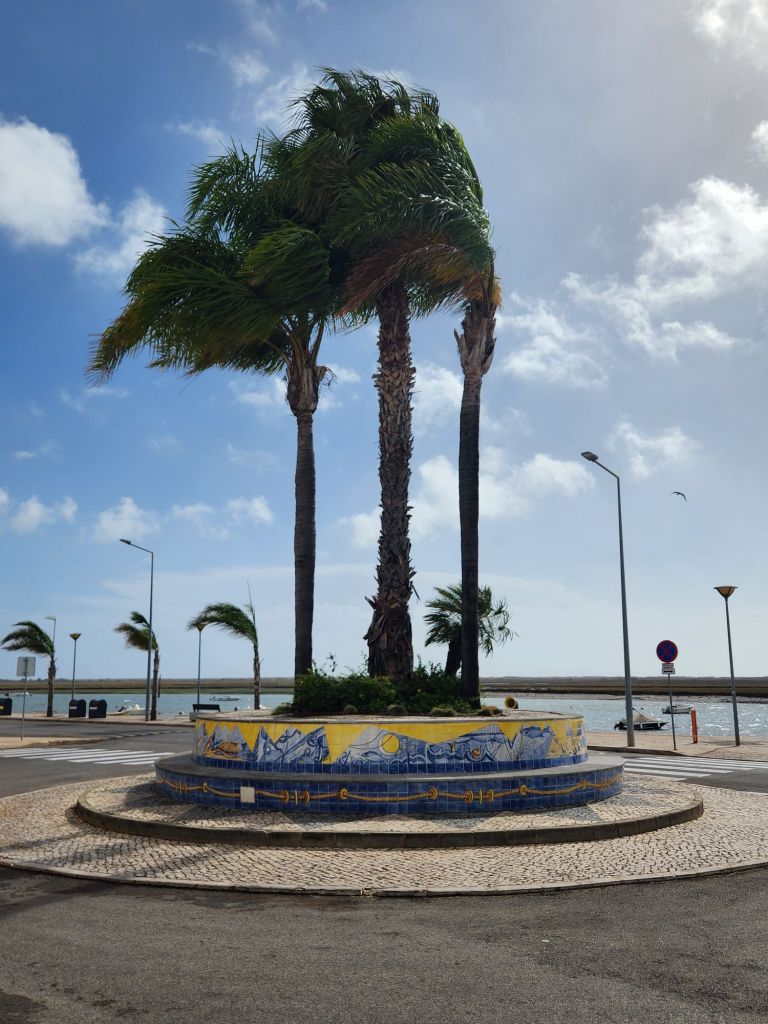
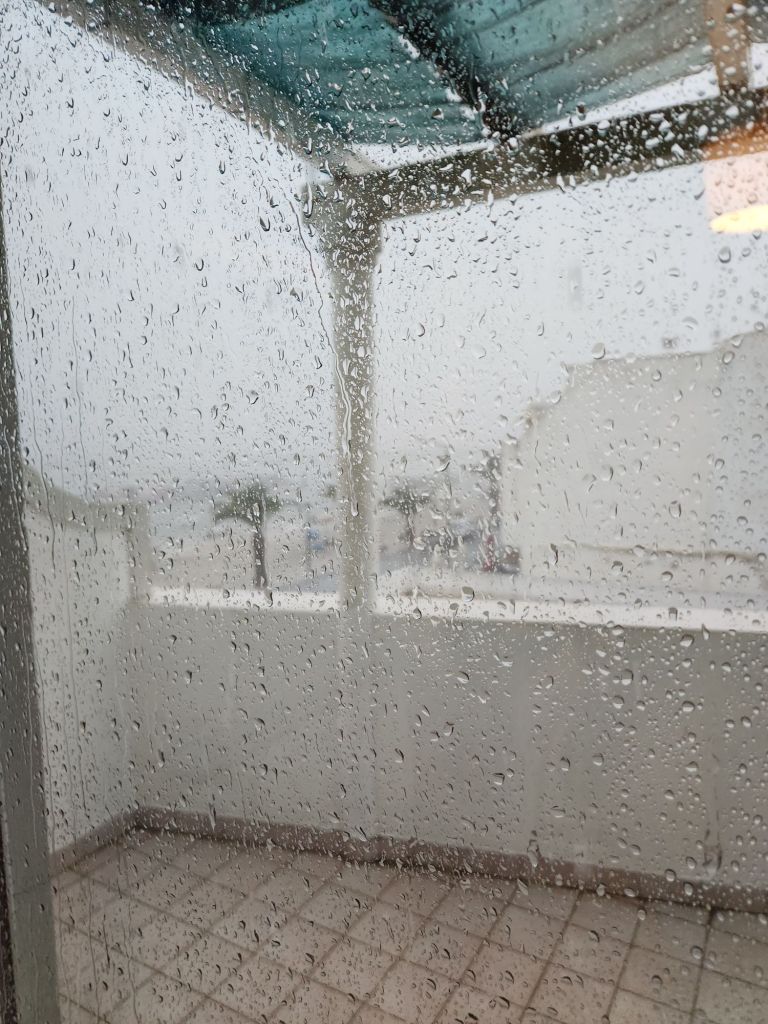

Our last 18 days in continental Europe were in Portugal where we experienced a wide variety of countryside. From our last stop in Granada, Spain, we took a train to Sevilla then had to take a bus to Tavira, on the southern coast called the Algarve. Thank goodness our AirBnB host was nice enough to pick us up and take us to Santa Luzia from the bus station as there were few Ubers. I chose Santa Luzia because it is known as the octopus capitol and it is located in the national park “Parque Natural da Ria Formosa.” This was to be our chance to hike and see wildlife. Instead, the night we arrived in Portugal it turned cold, windy and rainy…basically, this was our weather every single day we were Portugal.

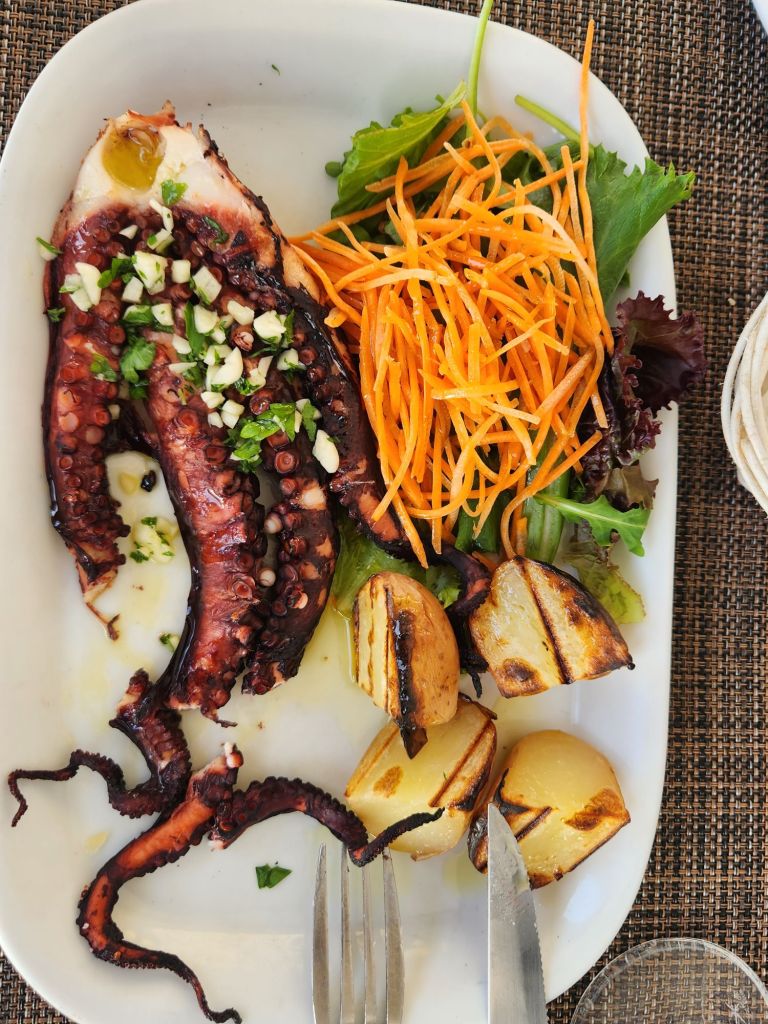
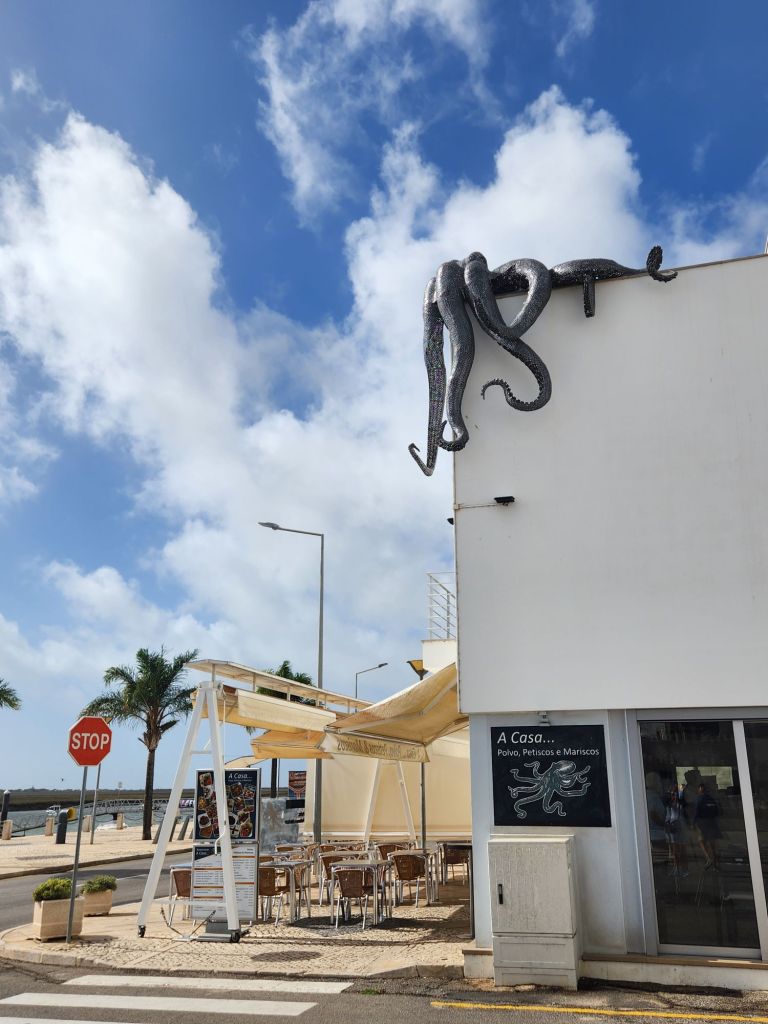


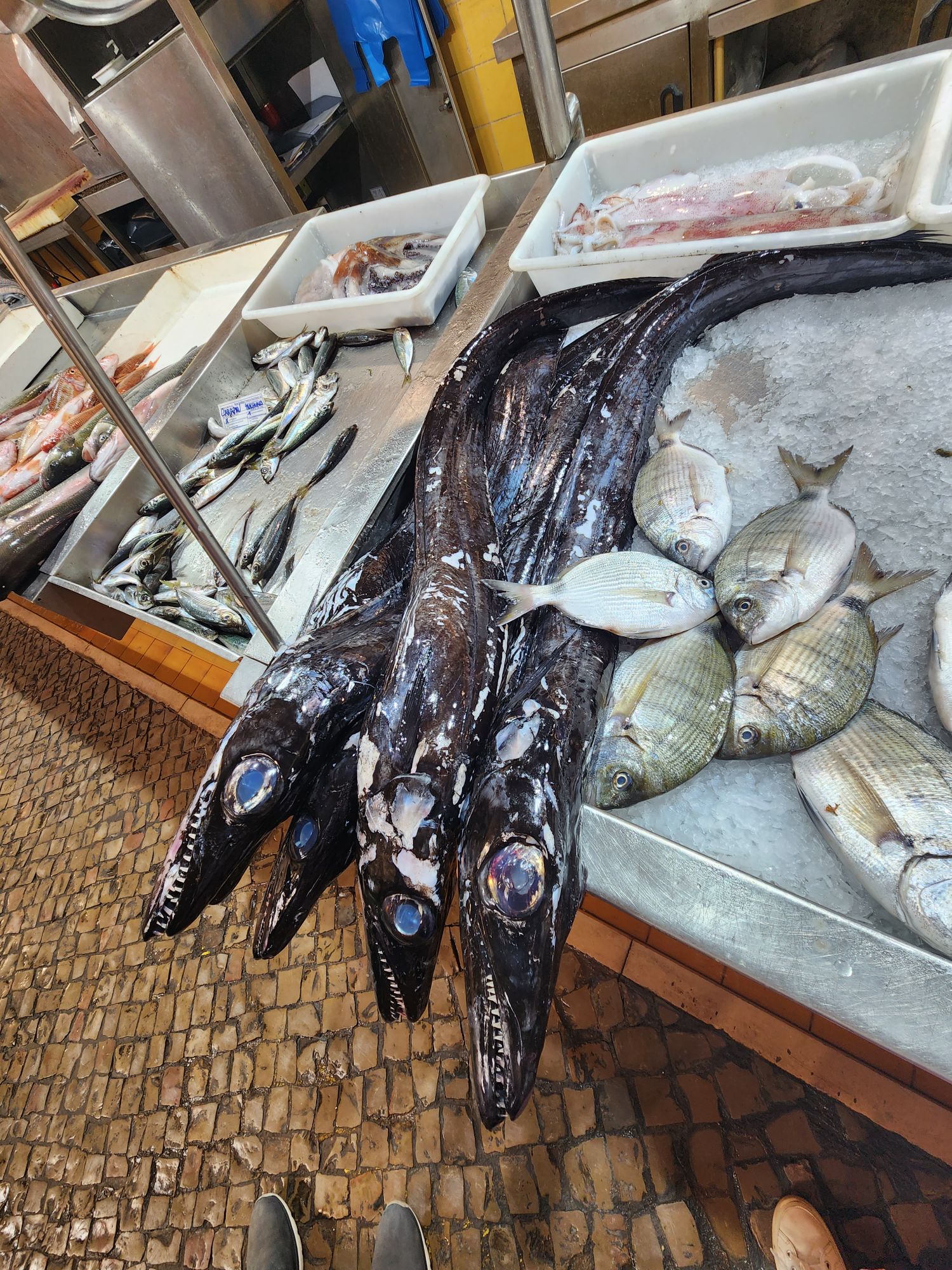


Fortunately, our octopus experience was DE-LISH. We basically ate octopus for every meal except breakfast. The poor fishing village of Santa Luzia has a population of only 1589 but has around 30 restaurants…serving mostly seafood. As you can see in the pictures even the architecture honors the octopus. Throughout the town we noticed many houses are covered in decorative tile, which we later learned that this is very common in Portugal. One day we explored neighboring Tavira and visited the daily market there which was pretty amazing as were the other markets we experienced in Portugal. Here we tried the yummy dried Hibiscus and saw a copious amount of fresh seafood.
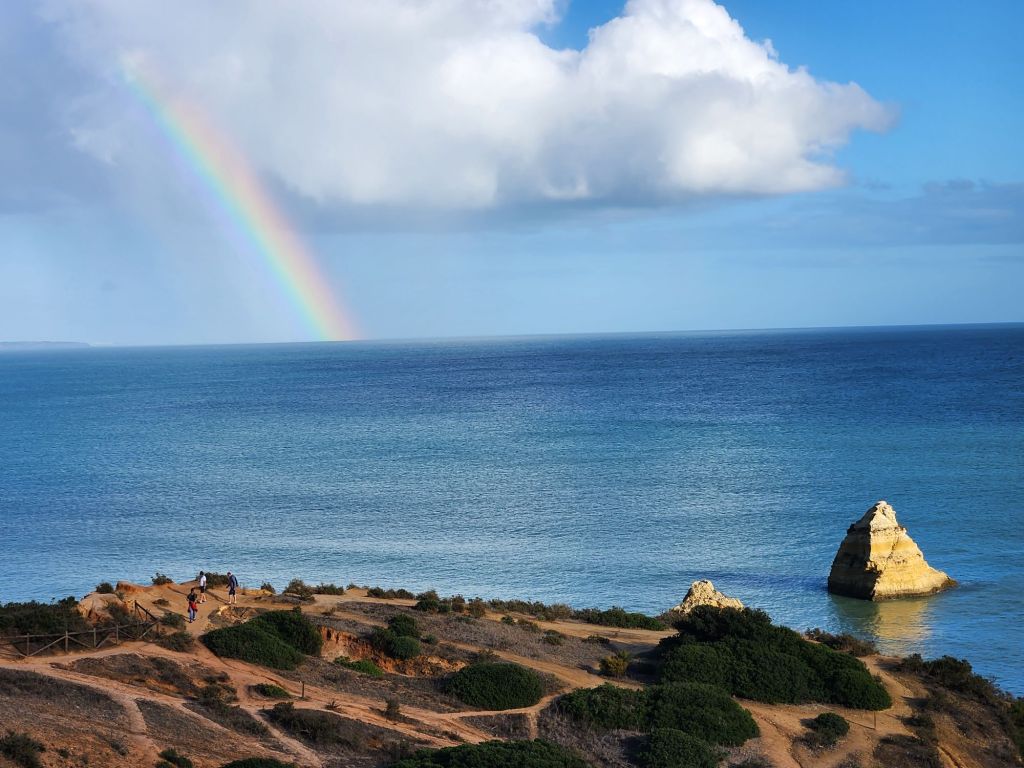


Lagos was to be our location for enjoying the beach in the Algarve. We had about a two hour break in the drizzly weather one day and took a nice hike along the cliffs with continuous views of the ocean. Occasionally we had a nice view from our window when the rain paused but were unable to enjoy our large patio.


Our next two stops were walled cities without train connections so we rented a car to take us to Monsaraz, Óbidos then to Porto. The hilltop walled village of Monsaraz is home to 800 people. In this 13th century hamlet all of the walls are white -washed and streets are cobbled. Our AirBnB had spectacular views of the vineyards and fields of olive trees from our two patios.
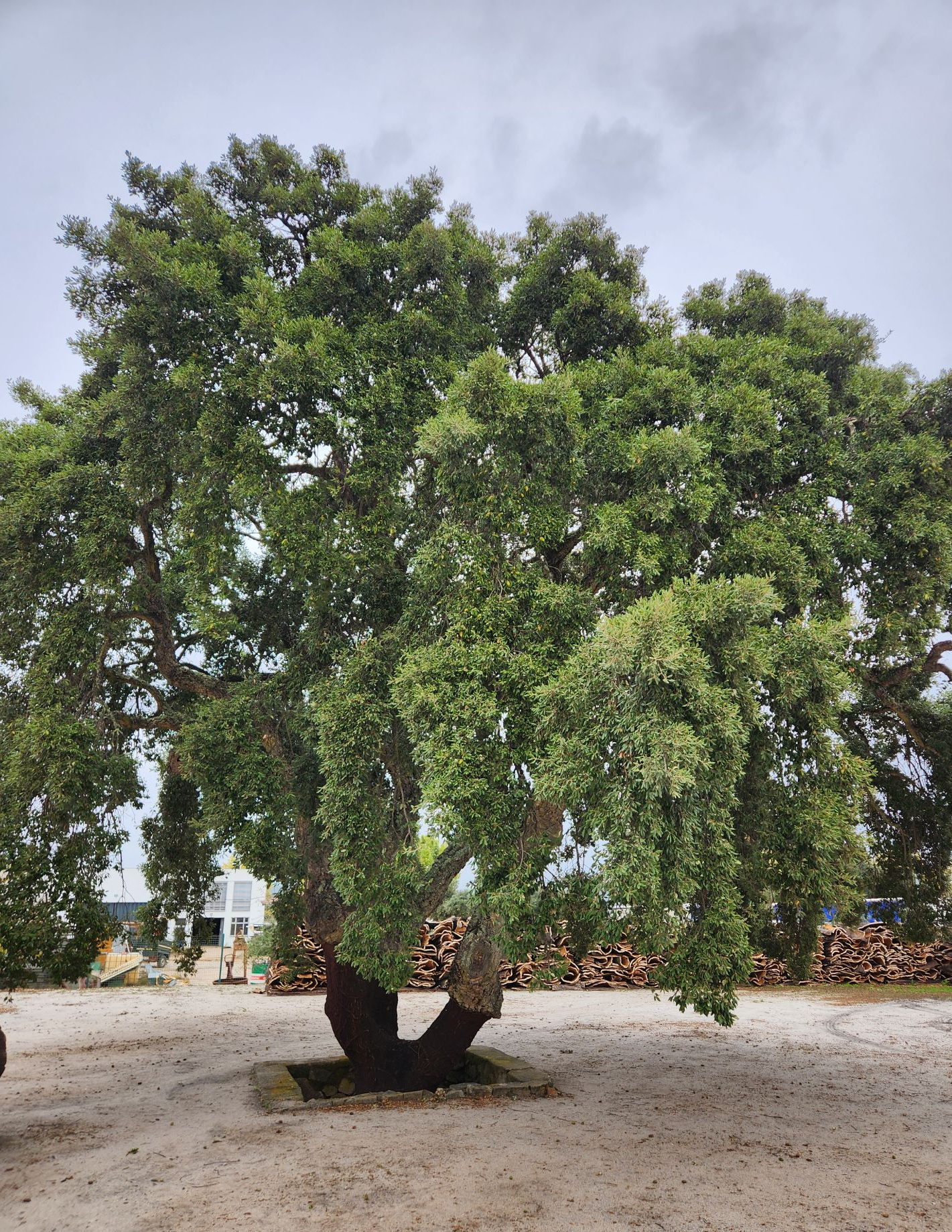

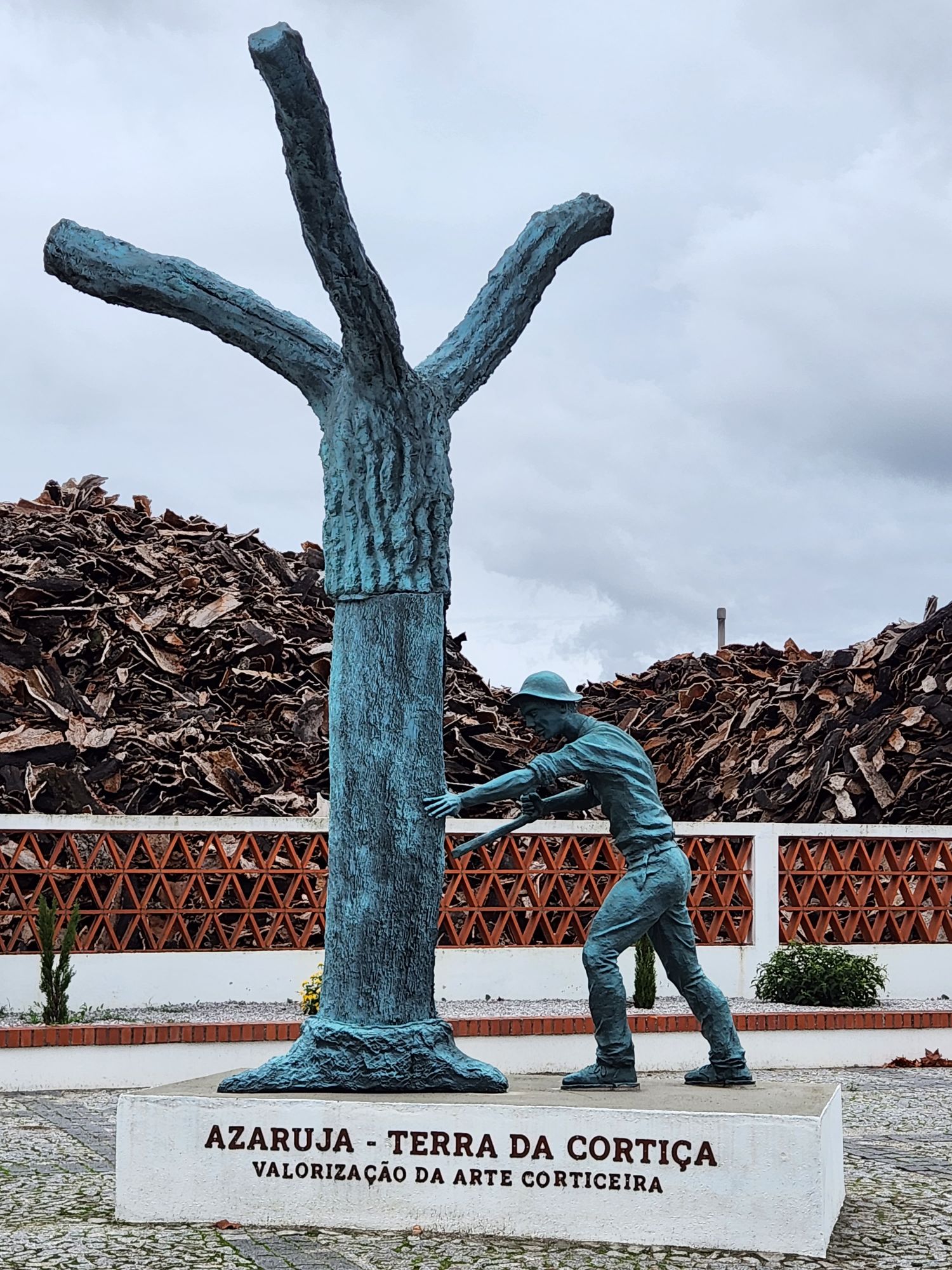
Monsaraz is located in the Alentejo region which is most famous for producing 2/3 of the world’s cork. After 2 nights in Monsaraz we stopped in Azaruja en route to Óbidos. What was meant to be a quick stop to fill our day ended up being a highlight of Portugal. After a tour of the Arte em Cortica we were flabbergasted by the versatility of cork and the trees that produce it. Look closely at the tree to see the dark portion on the bottom where the cork had been removed. This highly skilled maneuver can only be done every 9 years and cannot be harvested until the tree is about 25 years old. The cork planks are taken to a “factory” such as Arte em Cortica where they are boiled to remove debris and to soften. After sorting and grading they can be used for things such as flooring, shoes/purses, NASA heat shields, and the obvious…wine bottle stoppers. Scott purchased a baseball cap and a dress wide-brim hat and I bought a purse. The Cork Oak lives for about 150-200 years and such an amazing tree it is!

Portugal’s first bullfight ring was also in the town of Azaruja, population 913.
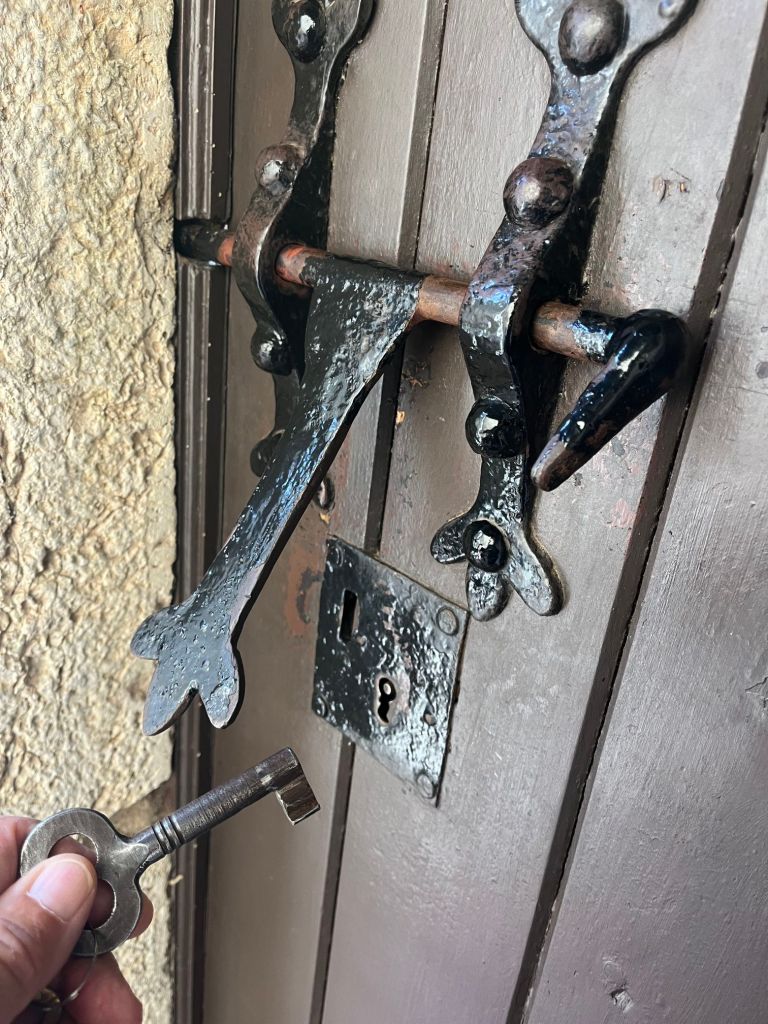
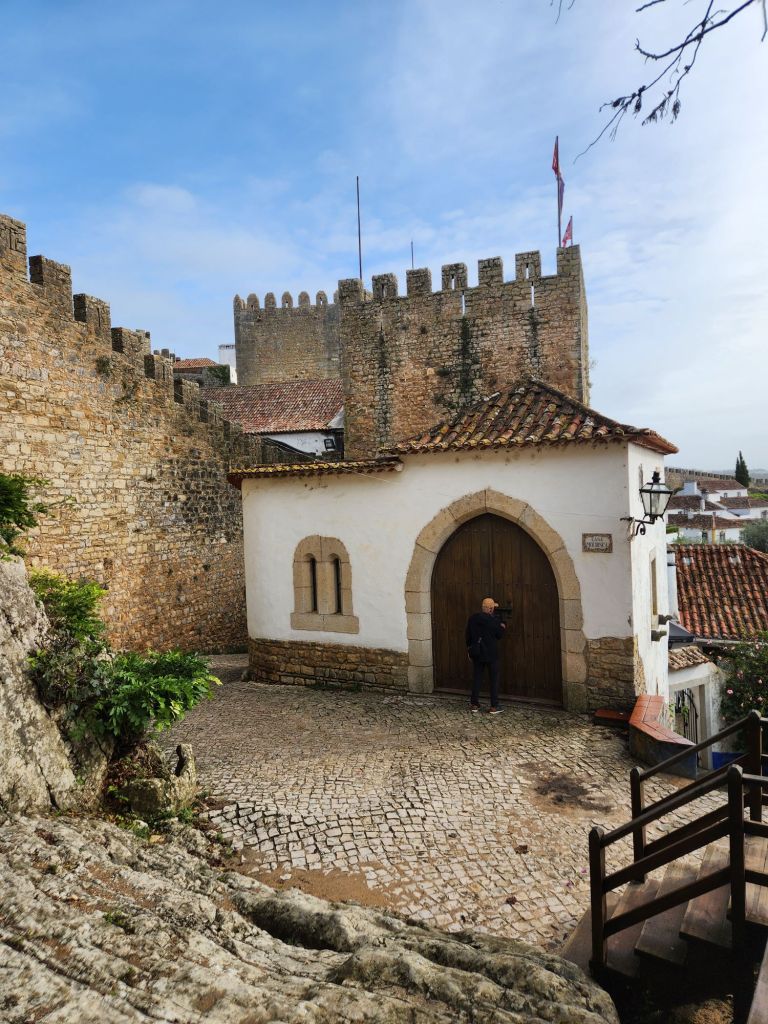
Óbidos, another walled city, is a popular tourist destination and is much larger than tiny Monsaraz which was fairly empty. This well-preserved castle and and village is encircled by a fortified wall on which we walked. It is famous for ginja, a cherry liquor made from sour cherries and is served in tiny chocolate cups. This drink that originated with the 17th century monks in the area is sold all day long and all over the town. Our AirBnb was an authentic with three floors. Our bedroom was on the second floor and to reach the bathroom we had to go down a flight of steps to the first floor then down a circular stair case to the basement!


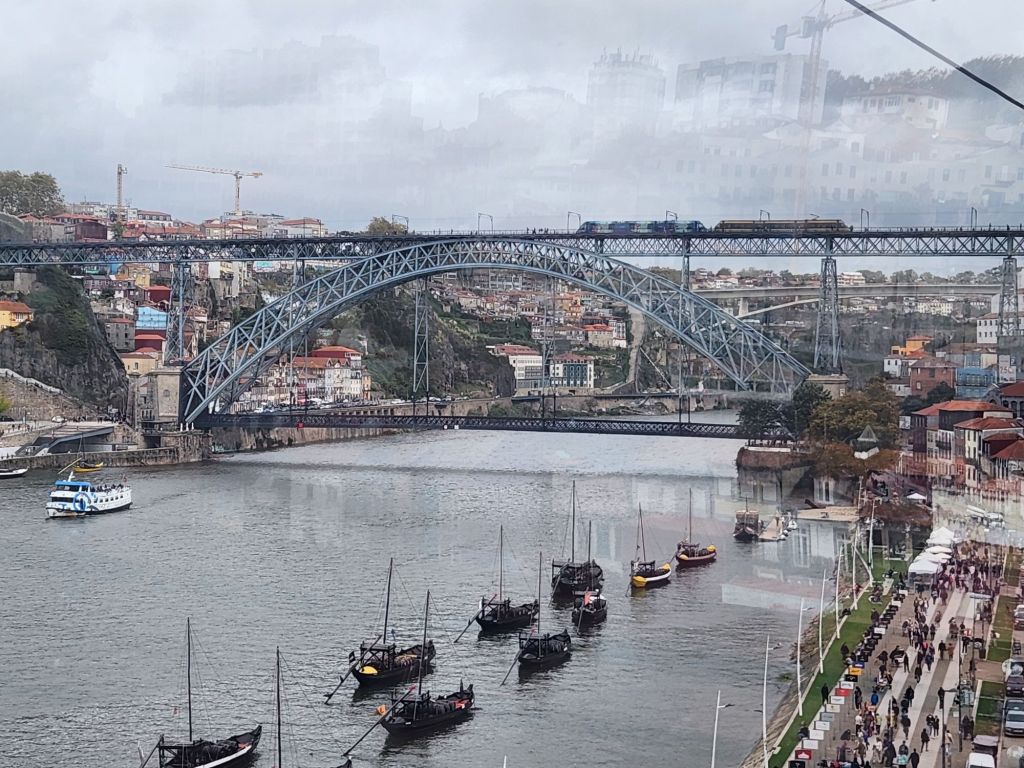

The UNESCO city of Porto is built along the Douro River and is home to more medieval walls although they were not in good condition. We received a great education at the World of Wine Museum located across the river in Gaia. We were shocked when they served us three types of wine at the end, including a port that wasn’t too awful. I’ve never heard of a museum that served glasses of wine!

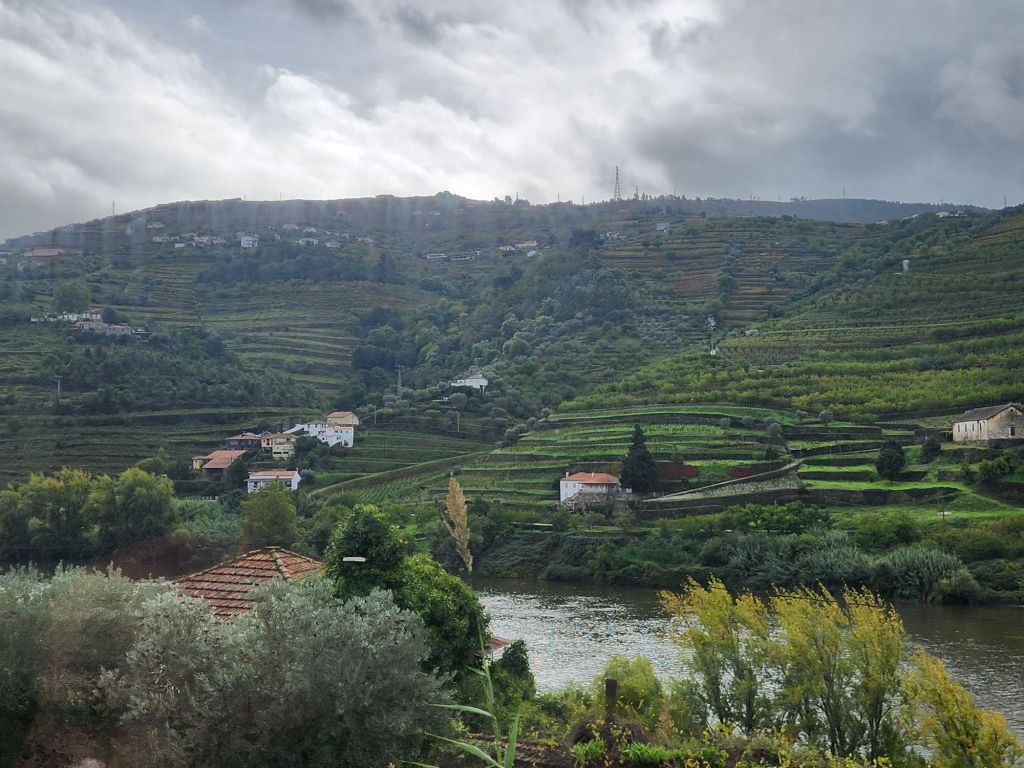
One day we took the train inland along the Douro River to the town of Pinhão where we saw the lovely terraced vineyards on the hillsides. This area is reminiscent of Tuscany, Italy. It seemed to us that the train wasn’t going very fast and we were rather late to our destination. Finally, the conductor announced that due to all the rain the country had received the train had to lower its speed! This goes to show just how wet, cold and windy it was in Portugal.
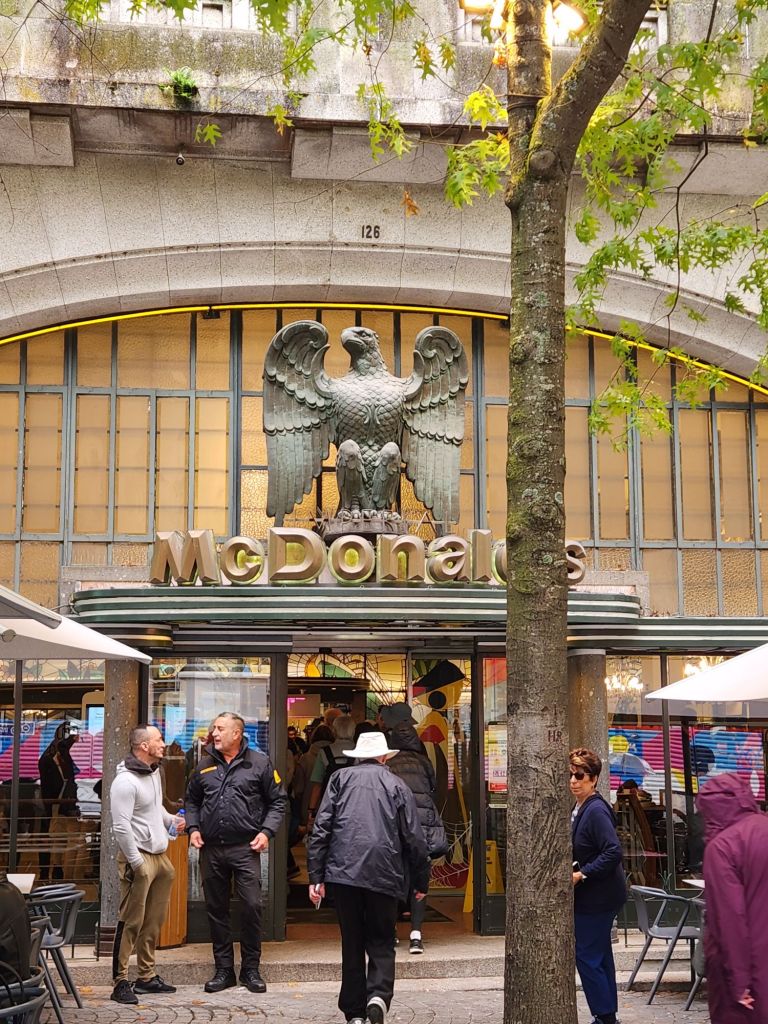


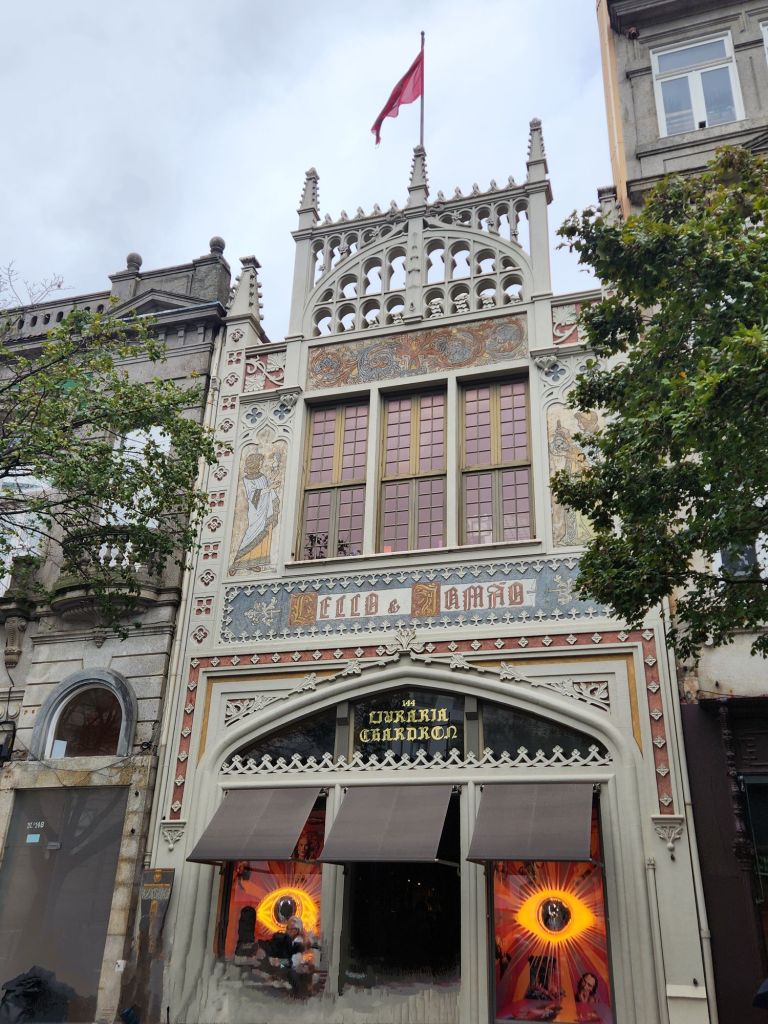

No visit to Porto would be complete with a stop in “the world’s most beautiful McDonald’s” with its crystal chandeliers. It actually wasn’t impressive. A bit more impressive was the Livraria Lello, touted to be the most beautiful bookstore. J.K. Rowling lived in Porto for 1.5 years which was said to have been influential in her writing of the Harry Potter series. It truly was beautiful and absolutely jam-packed which was odd because you had to pay to enter a bookstore.
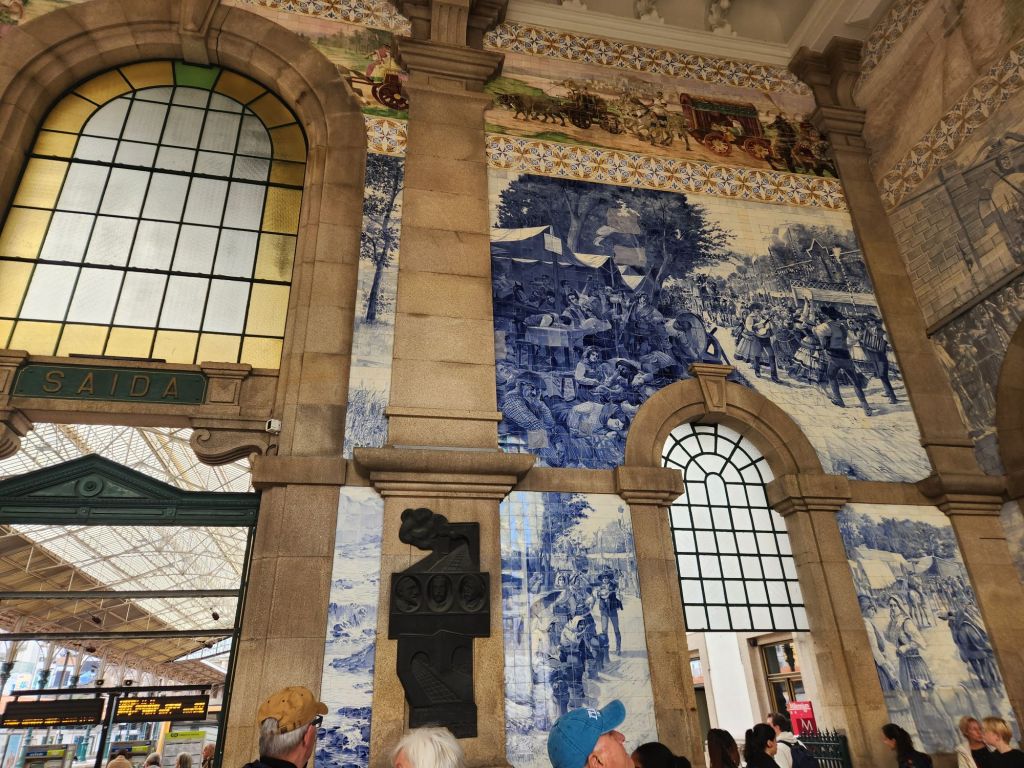

Beautiful tiles seemed to be a recurring theme throughout Portugal. The Bento train station, the closest to our AirBnB, is said to be the most beautiful train station in the world with its 22,000 painted tiles. The station in Pinhão, popuation 622, had it’s own wine shop and was adorned with port wine production scenes in the azulejos (blue and white painted tiles). Pinhão is the epicenter to the port wine region and many wineries which was reminiscent of Italy.

We loved checking out the markets across Europe and Porto’s was exception. It was in the category of high class. Here we sampled the white-fleshed yellow dragonfruit which was right up there with passionfruit in sweetness.

Next we traveled by train to Lisbon. Shall we start off with the very best dessert in the country? It’s not the Pastel de Nata for which Portugal is famous…its the Travesseiros, especially the Travesseiros in Sintra., a town with palaces and lush gardens 30 km from Alfama in Lisbon. Puff pastry, egg yolks, almonds and lots of sugar would not normally be my forte but it was memorable. Technically all of Sintra was unforgettable.

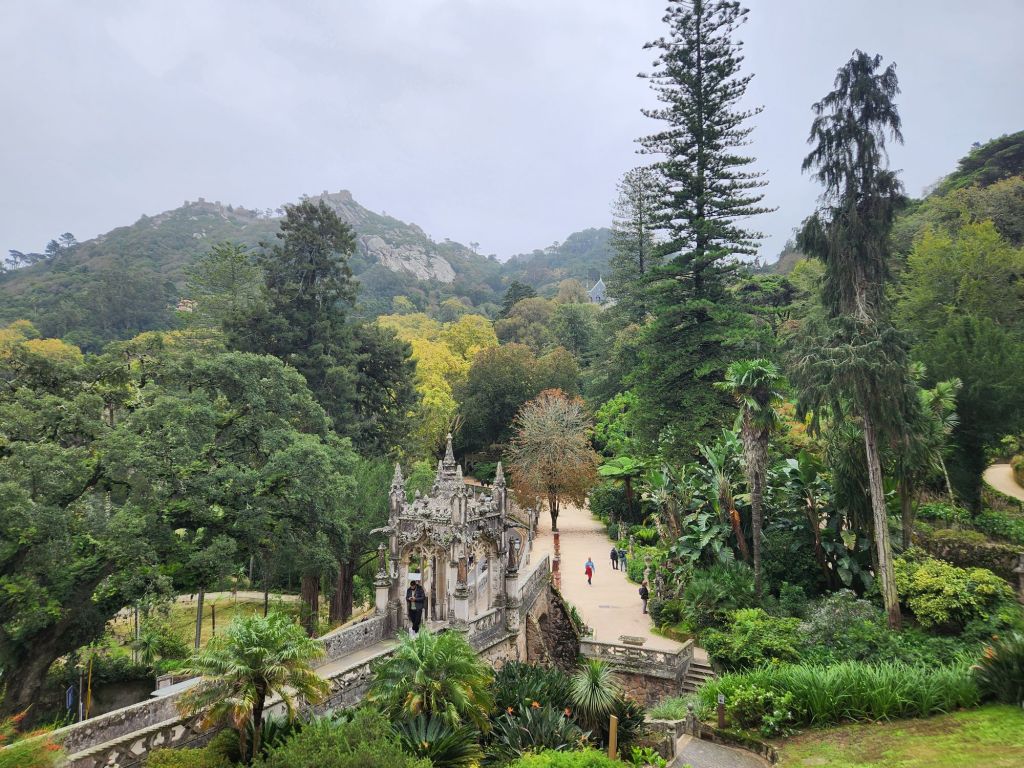
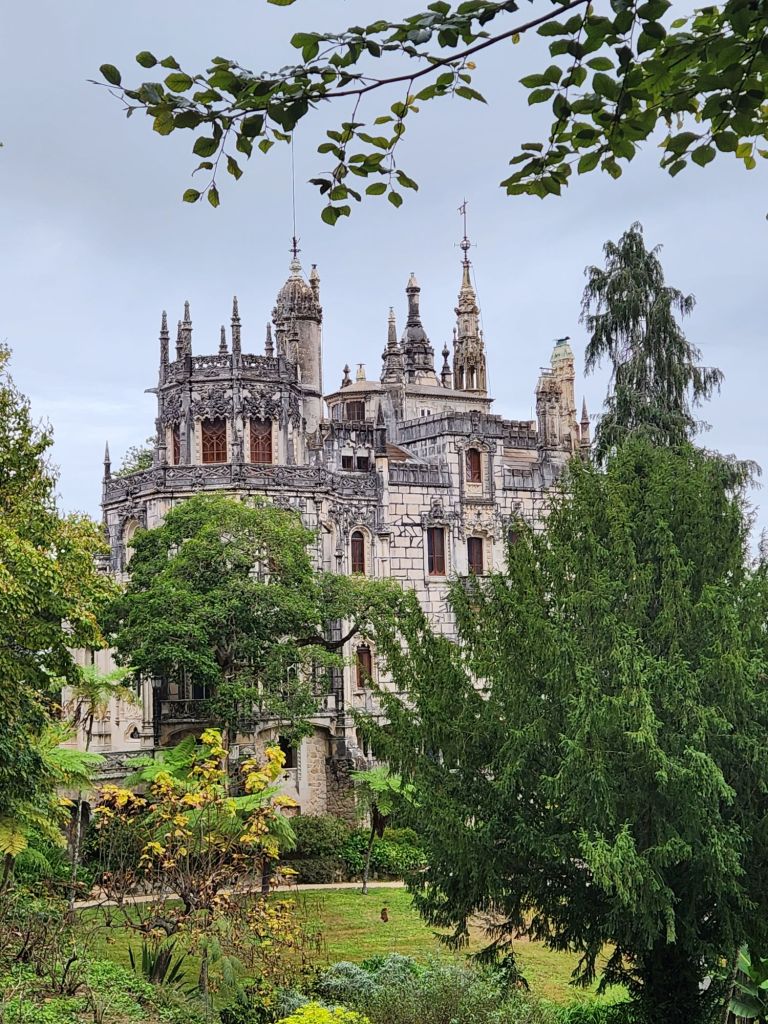
We spent a 12 hour day with a guide and a hand-full of Americans touring Sintra, Cabo da Roca (the westernmost point of Europe), and the beach at Cascais. Everything about Sintra was over the top. From the magnificent structures of the Palacio da Pena, Quinta da Regaleira, Castelo dos Mouros, Palacio da Monserrate to the gorgeous gardens of the Pena Palace containing more than 500 different species of trees. This World Heritage UNESCO site was stunning. Cascais is the premier holiday resort town with sandy beaches and grand 19th century villas. Was packed too much into one day but what a great day it was.

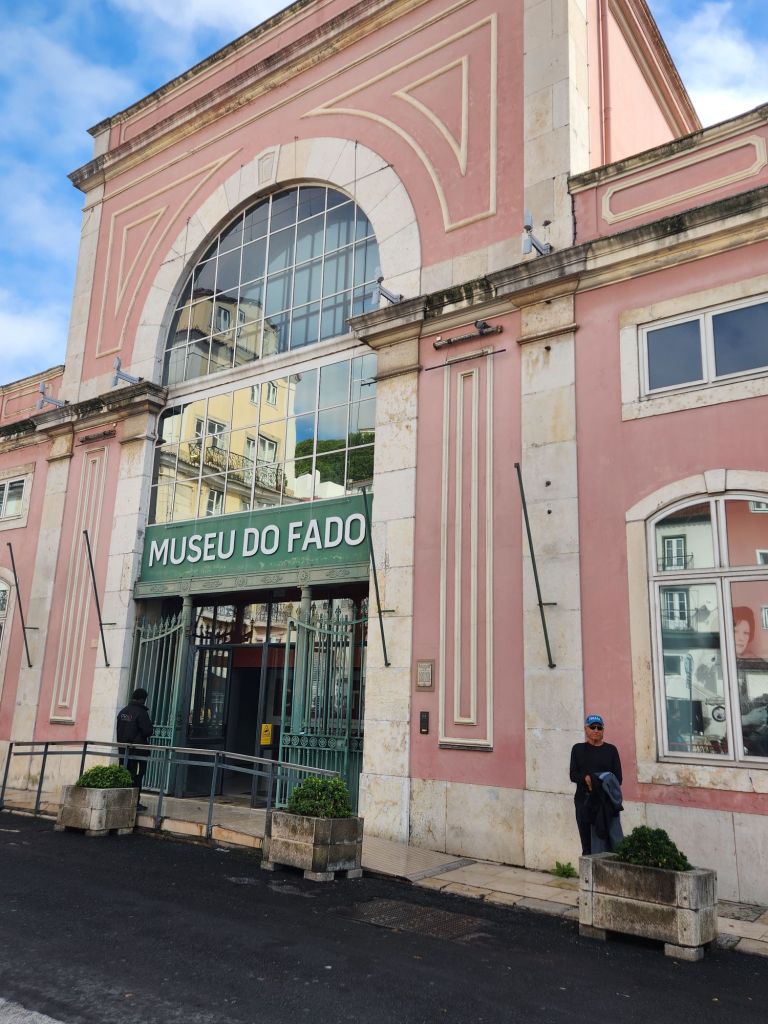
Our AirBnB was in the Alfama neighborhood, the oldest and most character-filled neighborhood. We certainly got in our steps walking the maze of winding cobblestone streets that criss-cross the steep hill. Toward the top of our neighborhood, which is located on the highest hill in Lisbon, we visited the Castelo da São Jorge. The castle itself was founded in the 10th century but archaeological remains have been found from the 6th century B.C. At the bottom of our hill we toured the Fado Museum. What is Fado you might ask? A genre of music that can be traced back to the 1820’s in Lisbon. Fado means destiny or fate and sounds mournful and melancholy. We’re glad we attended a dinner concert of Fade but we probably wouldn’t do it again.

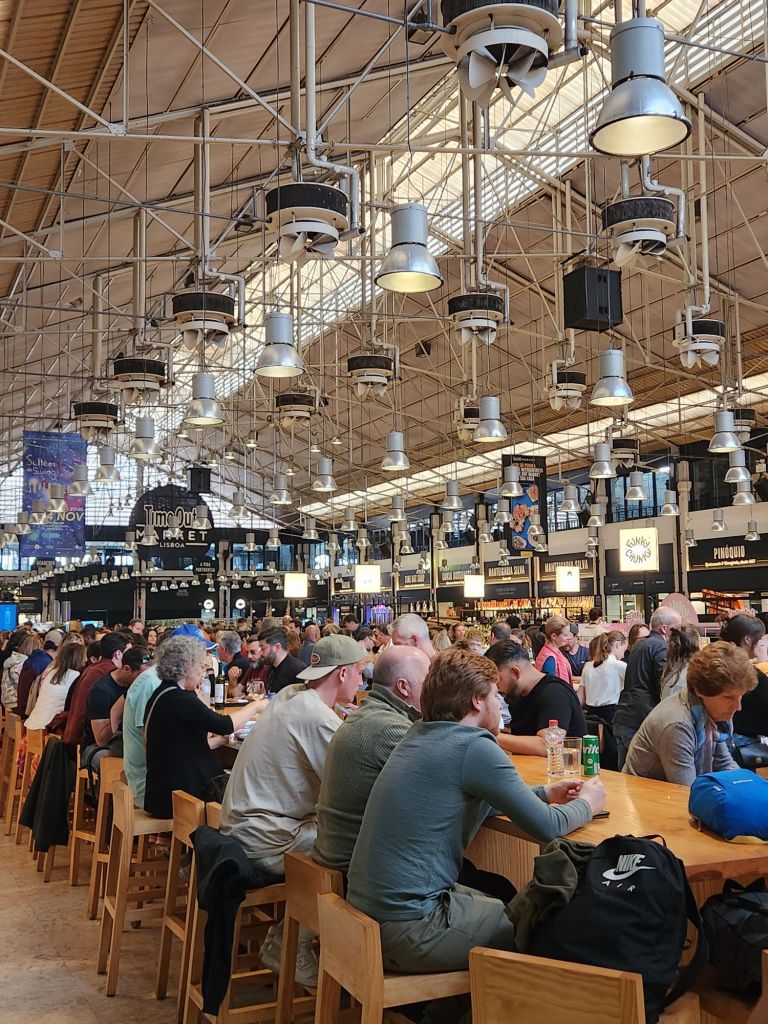

We hit the typical tourist highlights: Time Out (a fun market/food court), Pink Street (simply a street painted pink with suspended umbrellas above, and the Rua Augusta Arch, think the Arc du Triomphe of Paris.

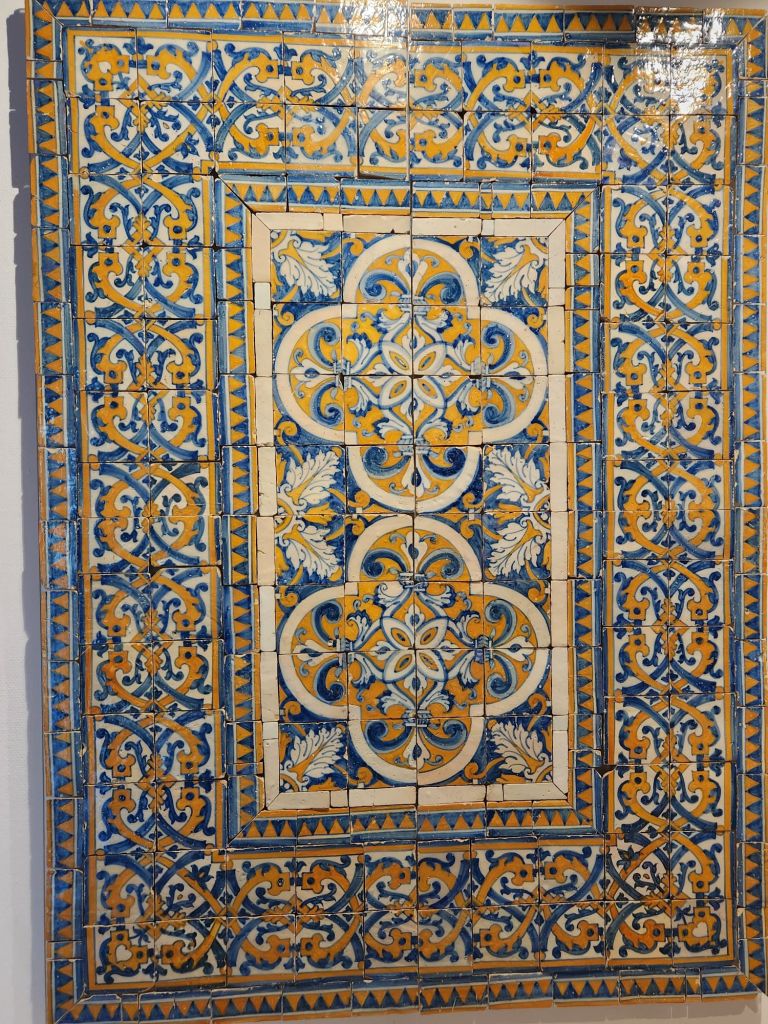

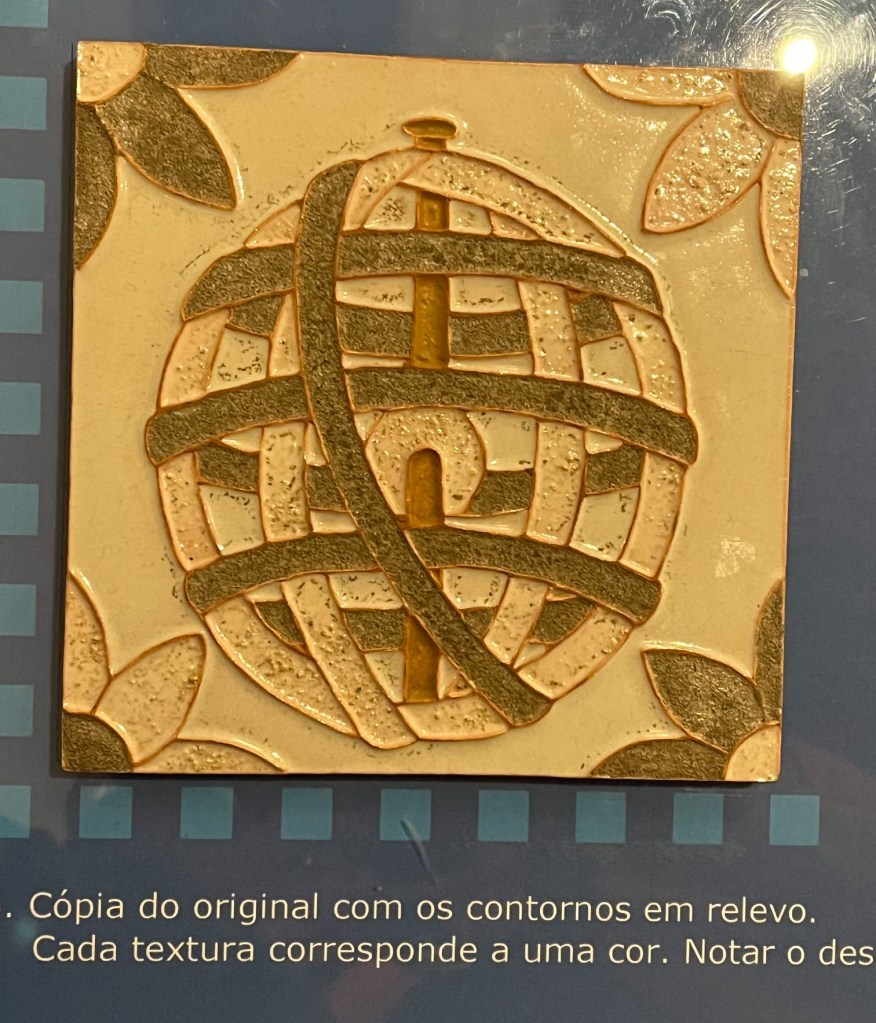
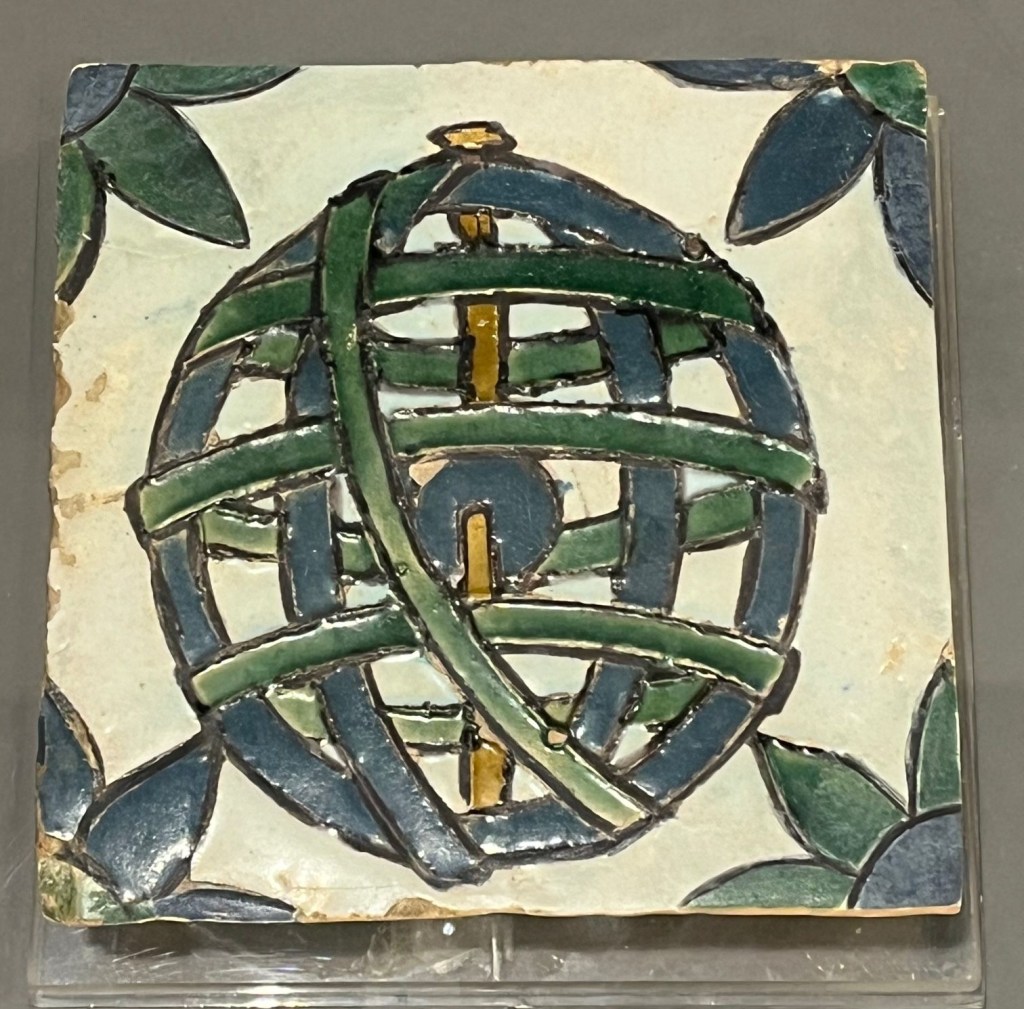
I managed to slip in one last museum, the National Tile Museum. After seeing so much lovely tile I couldn’t miss getting an education on this important piece of Portuguese cultural. The museum site itself was worthy of a visit…a former convent that housed an ornate Baroque church. The azulejos, painted glazed ceramic tiles, are popular throughout Spain and Portugal. We got the feeling that the Portuguese take the credit for the origination but, in reality, neither country did. The tiles can tell a story or create geometric patterns and the blue/white combination is believed to be inspired by the Ming Dynasty. Portuguese sailors used a navigation device called an Astrolabe starting about 200 BC, the tiles in the pics above show images of the device.

All in all, there are some beautiful areas in Portugal, the seafood is outstanding and prices are very inexpensive. Our sad wet weather was, unfortunately, a bit of a downer for our Portugal experience. After 87 days in Europe we were ready to settle down, return to healthy eating and unpack our suitcase. We were very excited to step onto the Norwegian Jade cruise ship and let the Captain deal with the weather and seas to take us home to NYC!
 Scott and Melissa's "Unforgettable" Adventures
Leave a comment