
Day 35-48

Our travels took us north on Hwy. 1 when possible, or 101 when not possible, up the Oregon coast, around the Olympic Peninsula loop then to Seattle. The coast of Oregon and the Olympic Peninsula was absolutely spectacular. The large rock formations and sea stacks rising up from the water makes for some gorgeous vistas. The beaches of Oregon seemed to be long and wide, such as the one where we stayed in Newport, and we always seemed to arrive at low tide which we loved. We had an interesting visit to Depoe Bay where we were white-knuckle watching the Coast Guard as they practiced towing one of their large boats using a drogue to improve stability. The opening into this tiny bay is only 50′ wide and 8′ deep and is lined with large boulders. “World’s Tiniest Bay” at only 6 acres is its claim to fame.
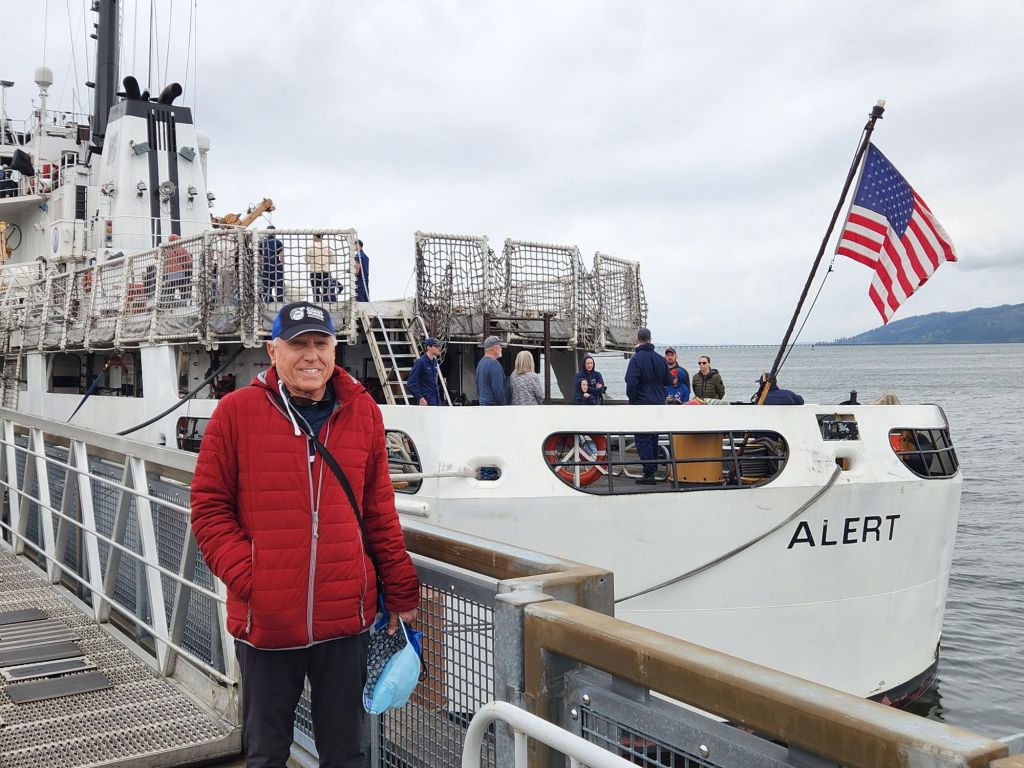
In Astoria, Oregon we spent several hours in the Columbia River Maritime Museum followed by a tour of a 210′ Coast Guard ship so Scott was in hog heaven! In the museum we learned about the importance of the bar pilots and the daring rescues. The river bar created by the force of the Columbia creates the world’s most dangerous stretch of water in the US. Known as the “Graveyard of the Pacific” since 1792 over 2000 vessels and 700 lives have been lost there. Through boaters I had heard horror stories about these waters. We lodged in Seaview on the Washington side of the Columbia River. Westport, WA, our next stop, was a sweet authentic fishing village on the mouth of the North Bay then we began our Olympic Peninsula Loop drive.

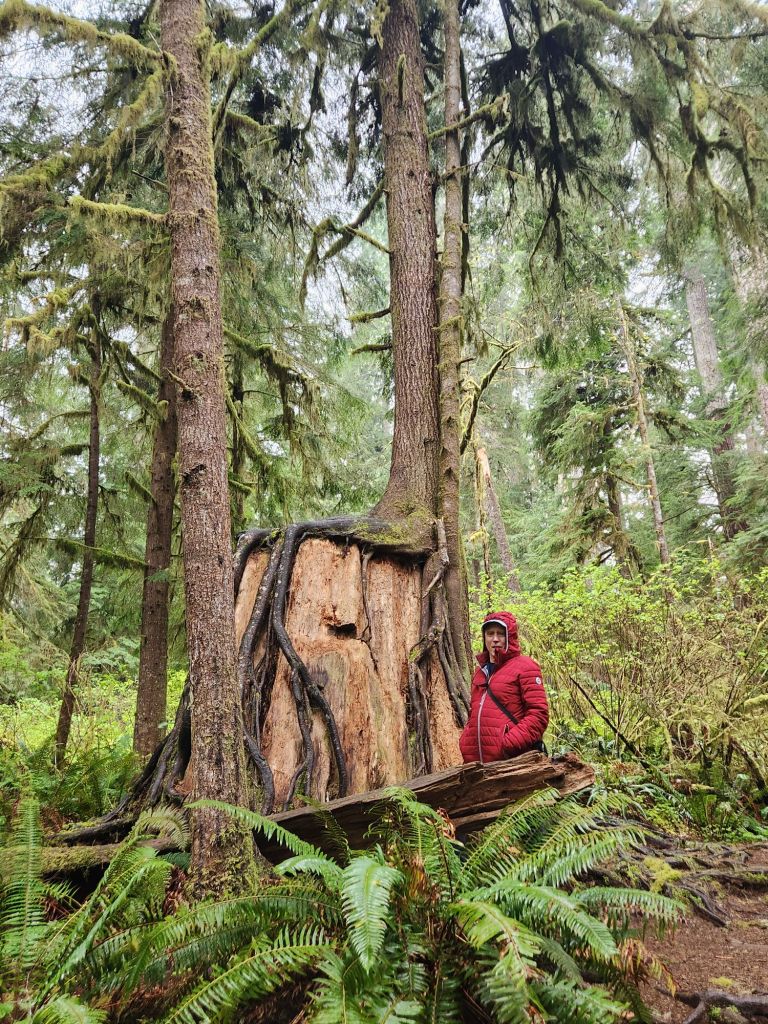
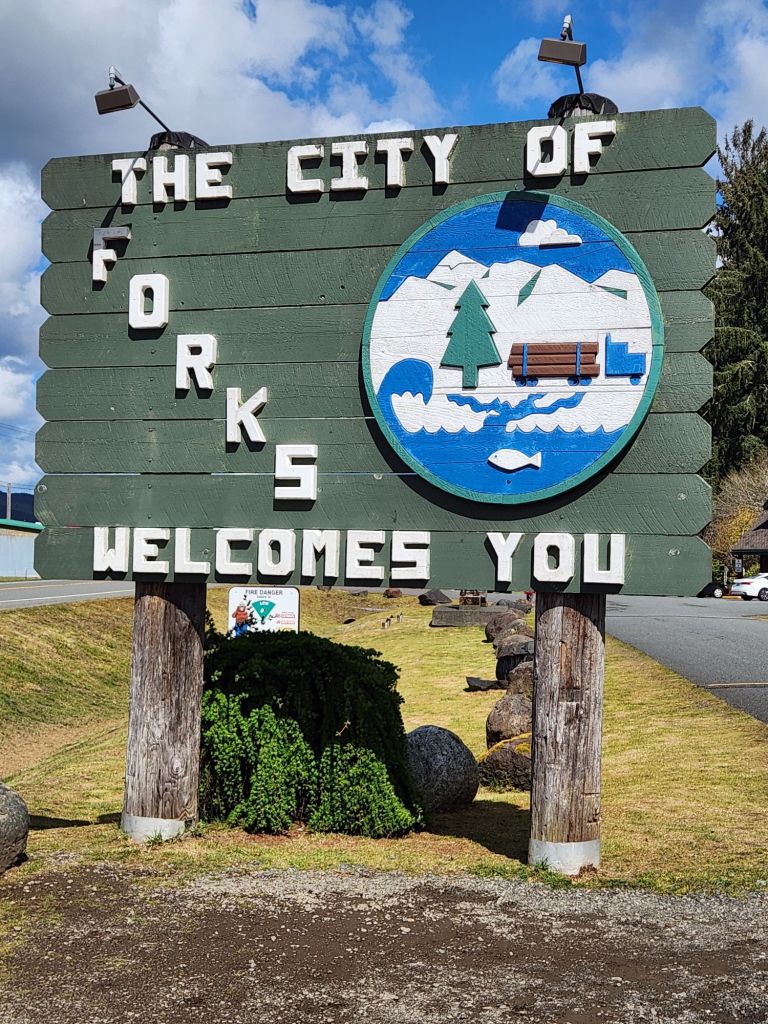
Our hike in the temperate Quinault Rain Forest in the Olympic National Park was a super wet (and it wasn’t even raining) but super cool experience. If you are wondering what makes a temperate rain forest it’s the quantity of rain…12-14′ of rain per year and the temperatures here rarely go below freezing or rise above 80*. This area is known for the world’s champion giant pine trees. We were fascinated with the fallen trees which became “nurse logs”. After a dead tree falls it provides a raised growing space for seedlings. In the dryer summers water is stored in the nurse logs which provide water for the tree roots, amphibians and other creatures. We stayed in the nearby town of Forks, famous for the Twilight series of books. In actuality, Stephanie Meyer had never been to Forks or even the state of Washington prior to writing her books. This fact doesn’t stop the town from maximizing the “Twilight” effect on tourism.


The most beautiful spot for me in the Olympic Peninsula Loop was at Cape Flattery, the furthest NE tip of the contiguous US. A lovely hike lead to dramatic views of the rugged rocks, lighthouse and beautiful teal waters which were unforgettable. This might have been my favorite view on the entire west coast waters. A stop to hike the Dungeness National Wildlife Refuge was scenic and the town of Port Townsend was a delight with its beautifully restored Victorian homes and buildings. Our lodging for the night was The Palace Hotel which was one of these and was furnished in antiques. Each room had a name, ours was Miss Abigail, this was a former brothel! Wish we could have stayed longer in this charming waterfront town, definitely deserves a repeat visit.


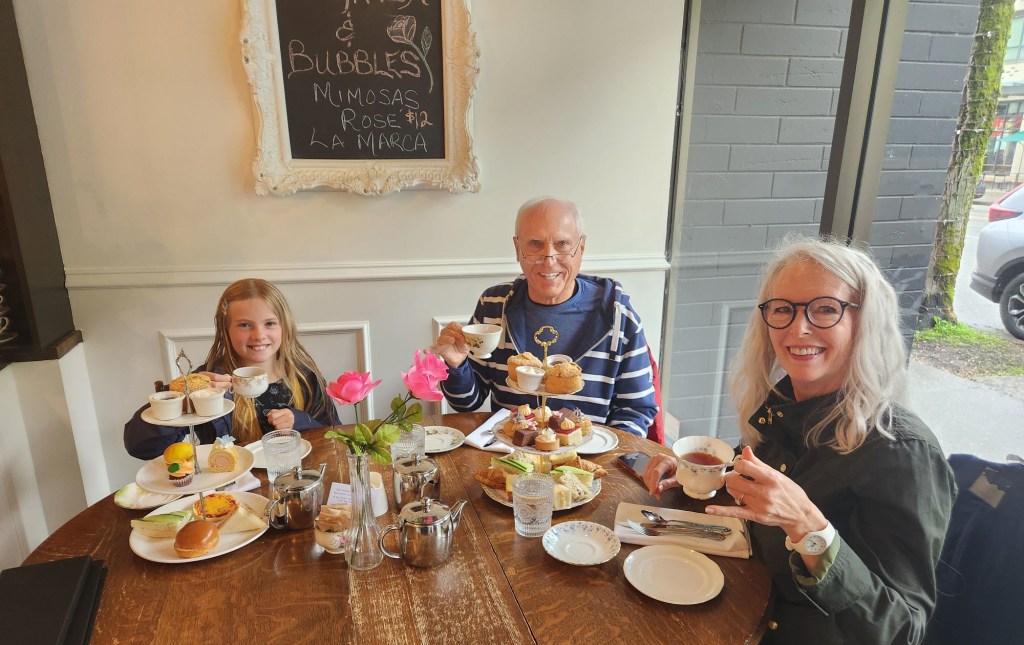
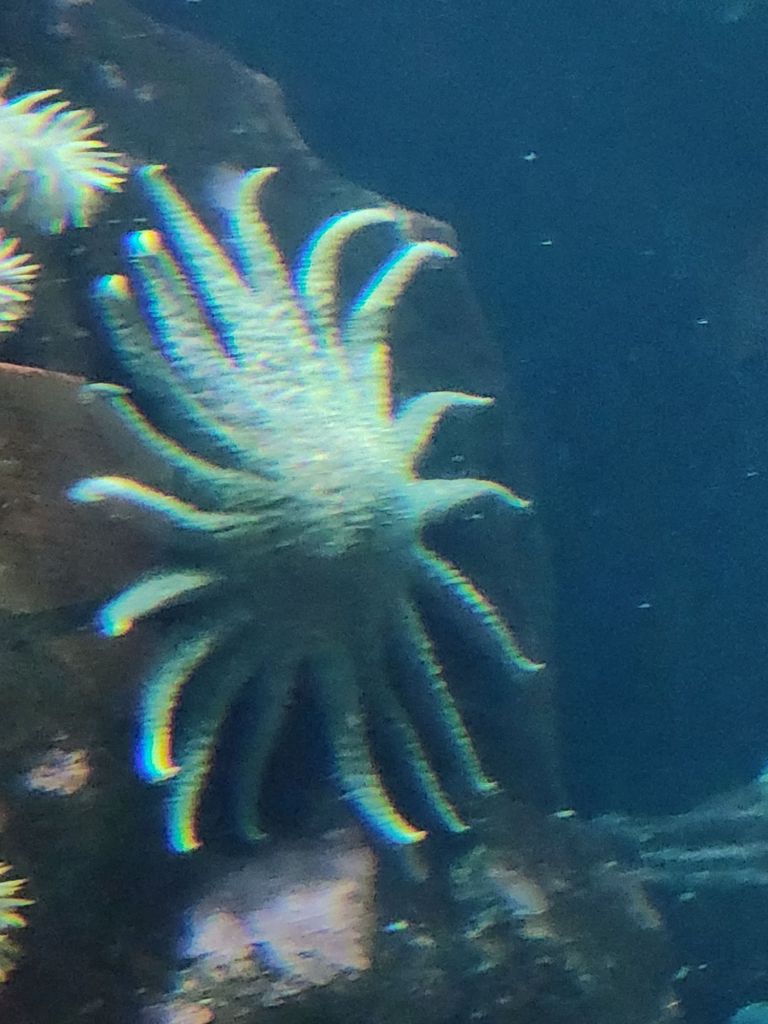
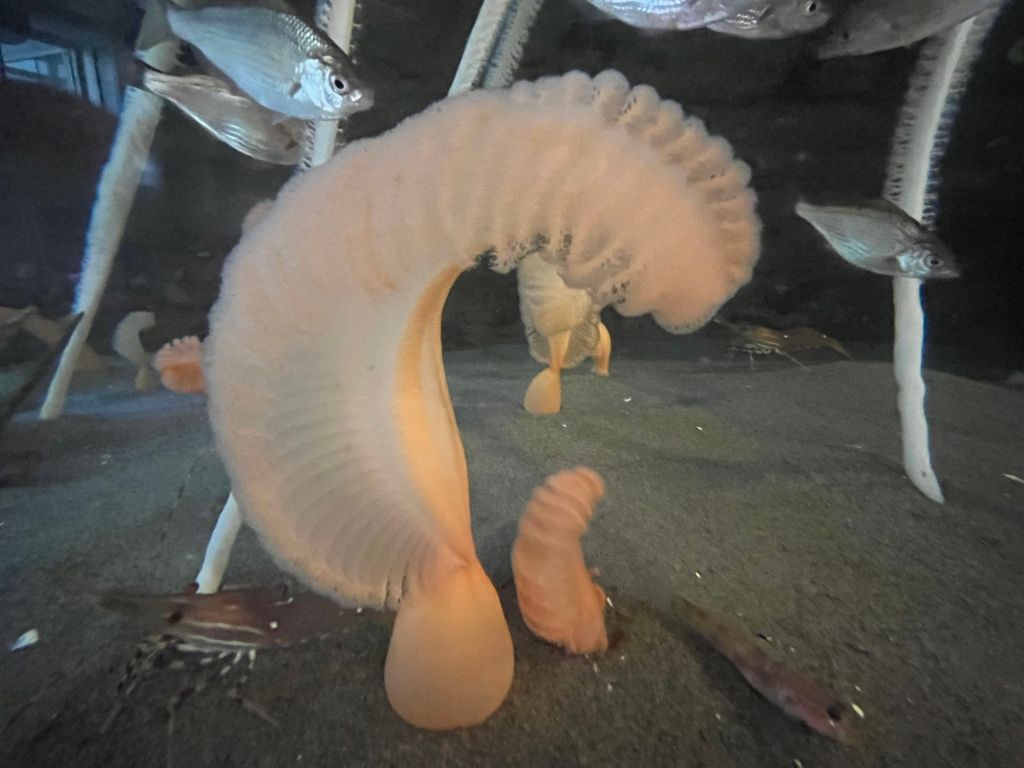


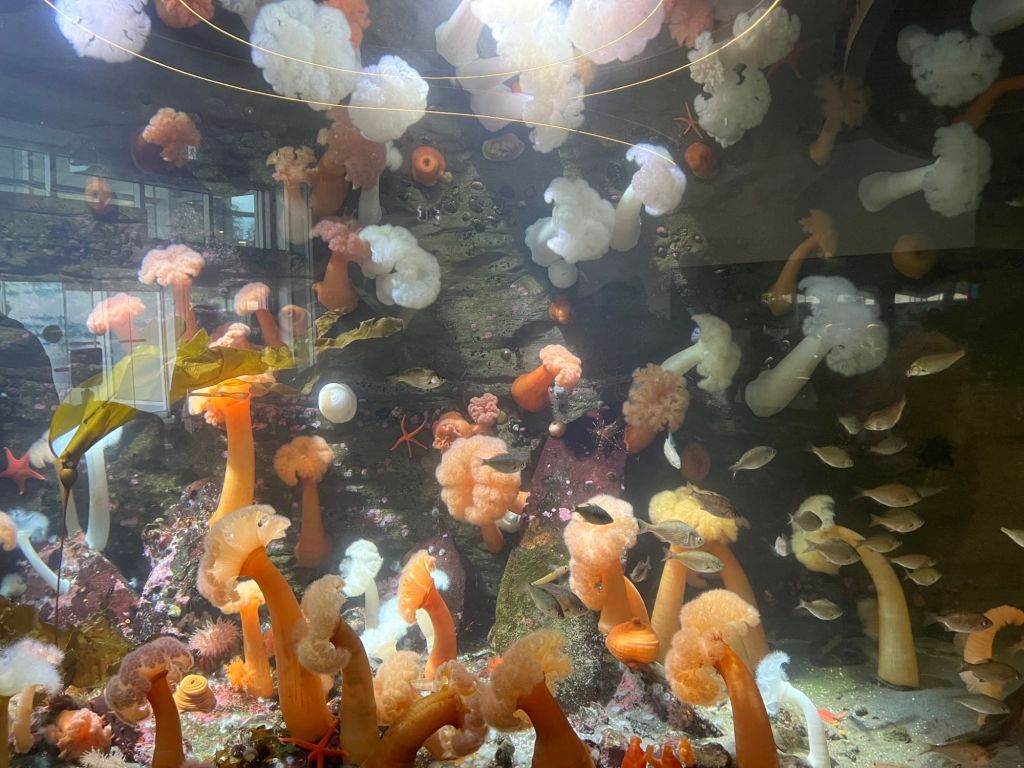
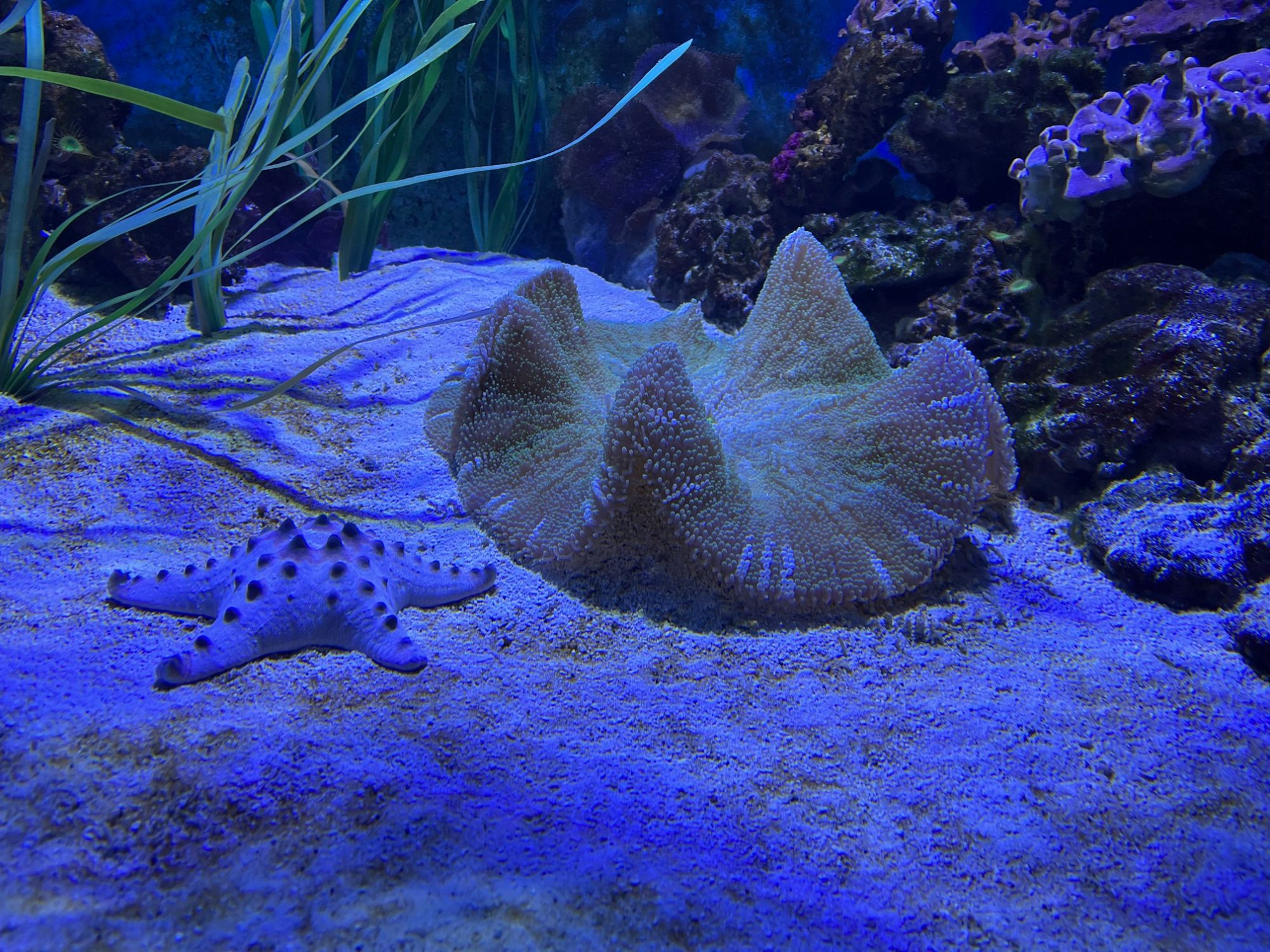
We drove through Olympia on our way to Seattle where we had a wonderful visit with family and a special time with each granddaughter. We took Juniper, the 10 year old to Vancouver for three nights which was so fun, despite the rain. I had planned all outdoor activities like biking around Stanley Park, walking through the Capilano Suspension Bridge Park and riding on top of a HOHO. Wrong…it rained and was cold the entire time. However, our Plan B was just as wonderful: A formal afternoon tea, Science World, a drive through Stanley Park to see the totem poles/Sequoias, and the Vancouver Aquarium which was incredible. Their variety of sea anemones and sea stars was astonishing. A trip to Vancouver just to see the aquarium would be worth while in my book. Grandpa Scott introduced Juniper to her first Dilly bar at DQ and donuts at Tim Hortons and of course, they were a hit.
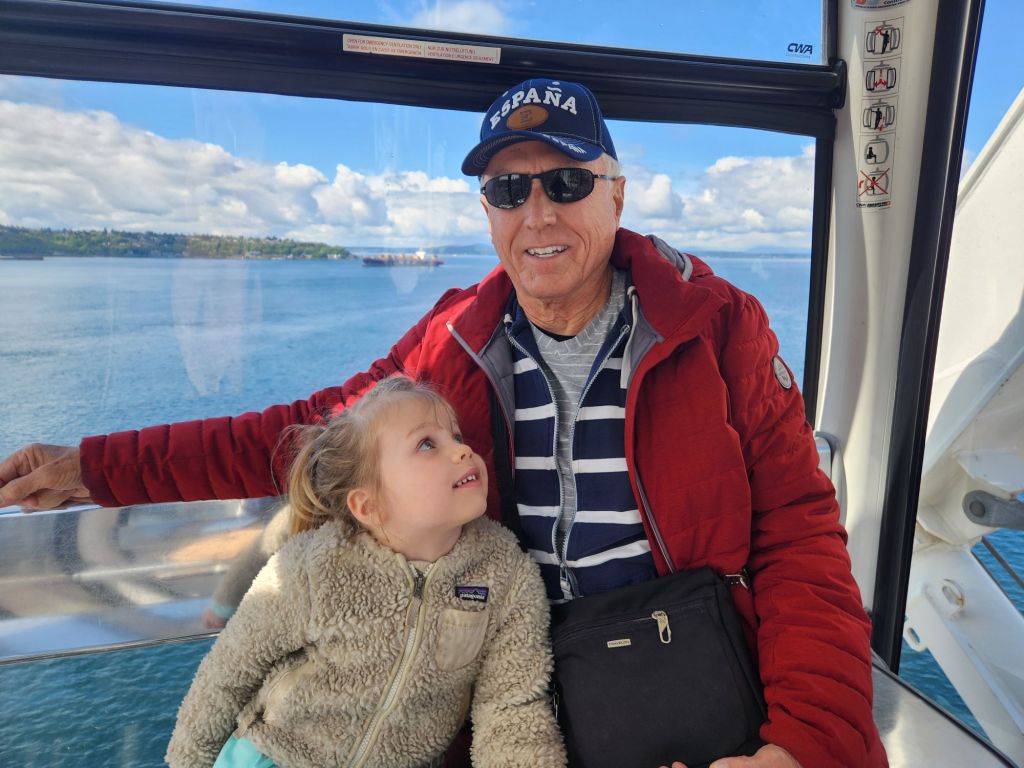

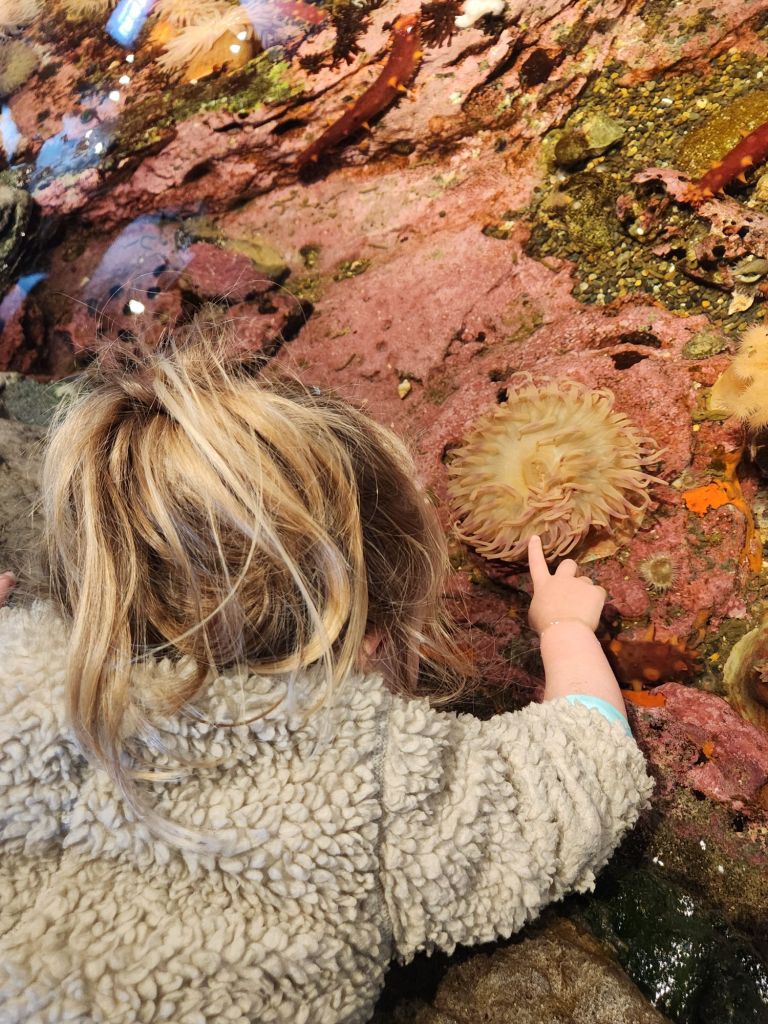
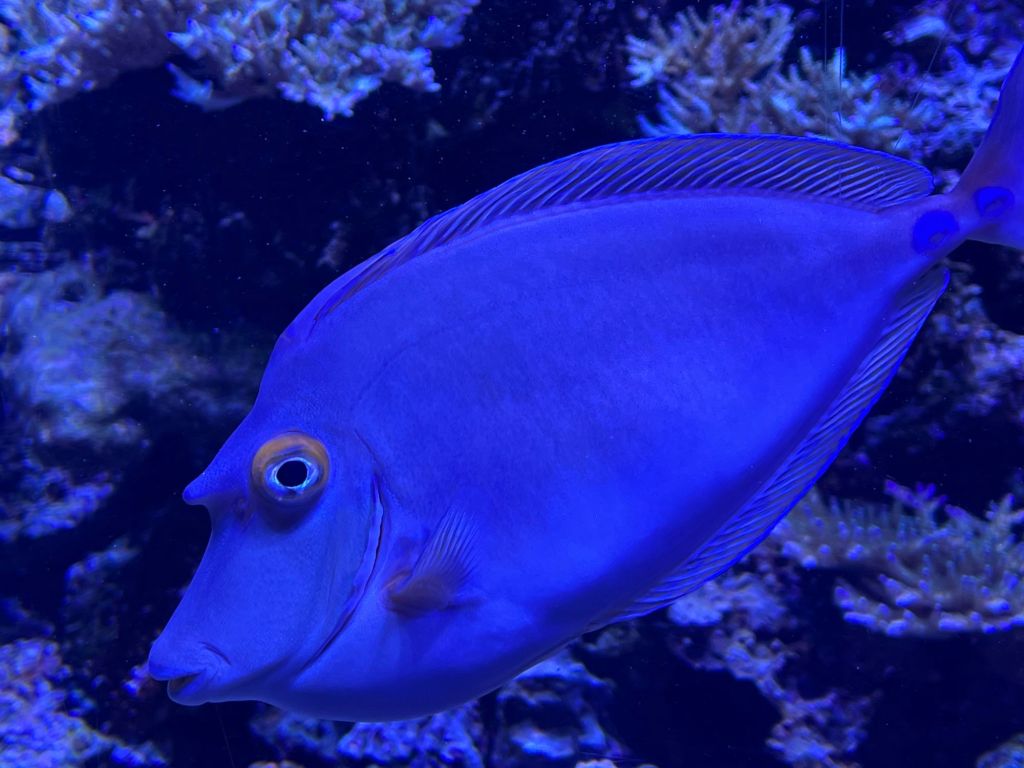

Sylvia’s (the 4 year old) special day was equally wonderful as we took a ride on the Seattle ferris wheel, lunch, the Seattle Aquarium and no special day would be complete without a visit to a bakery! Her favorite part of the day was the touch pool where she could have happily spent the entire day.
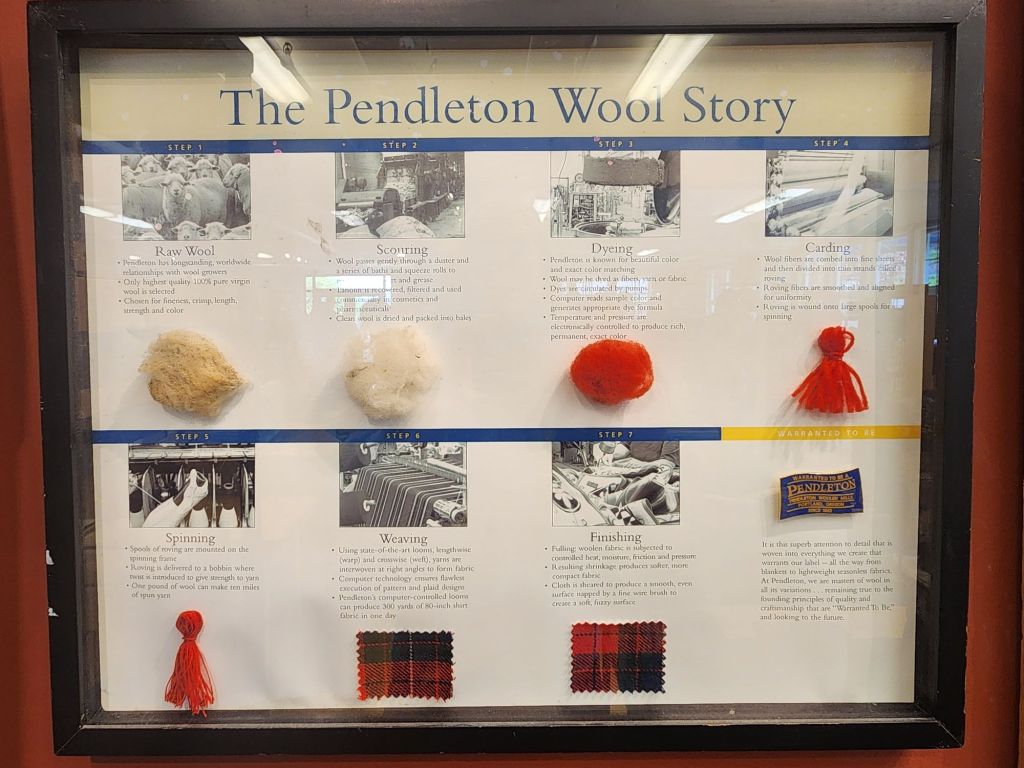
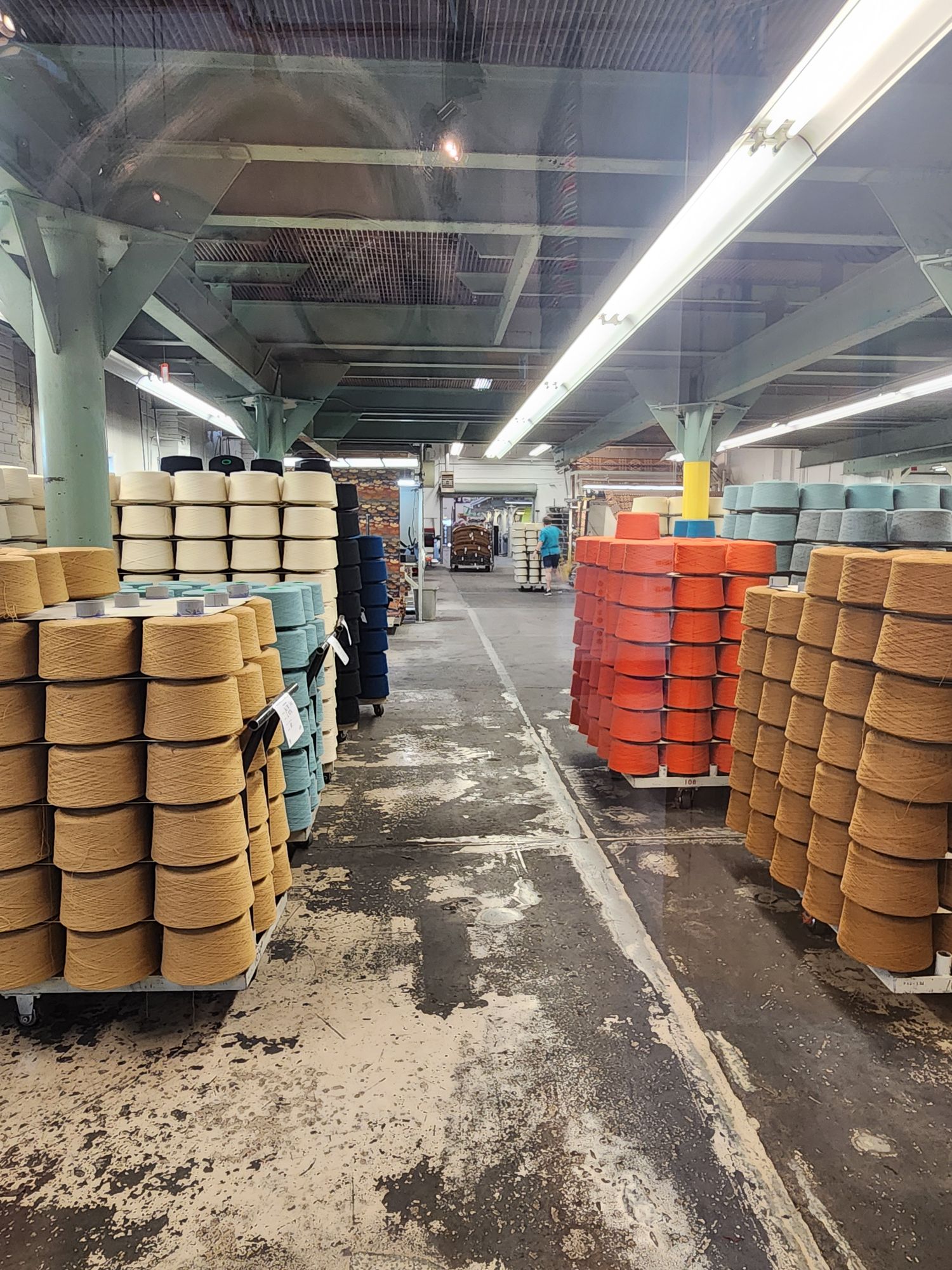
After a week in Seattle/Vancouver we were on the road again to Walla Walla, WA. We next stopped in Burns, Oregon in order to detour to Pendleton, a true western town that’s known for its rodeos and its Native American heritage. Here we visited the Pendleton woolen mill and learned about the designs of the Native American trade blankets. In Burns we awoke to 2″ of snow and we thought winter would never end. We stuck to Hwy. 395 and the scenic routes that were just as glorious as the coastal roads on the west coast. We rarely saw a car, usually always had a snowy mountain in sight and often had snow on the side of the road. That night we stayed in Reno, NV where we sat down to plan our next day in Yosemite.


Because this trip has been a “non-schedule/no planning in advance” (Scott calls it “free-flowing”) trip when we were ready to go to Yosemite Park we learned that there was no lodging available near the park. It would have been a 6.5 hr. drive from the nearest motel to El Capitan in the park…one way. And 100% rain was forecasted and we didn’t have a reservation to enter. Bummer, sad face. Okay, we’ll go on to Sequoia National Park. Nope, snow was forecasted and chains are required in snowy weather and dangerous high winds were expected. Darn, double sad face. Okay, we’ll go on to Death Valley, the hottest place on earth (record 134*), the driest place on earth (average less than 2″ per year, and the lowest in the western hemisphere (282′ below sea level). On our drive in to Death Valley we saw 100* and were ecstatic. Finally we would have warm weather for sandals and shorts! It was disappointing to miss Yosemite and Sequoia national parks but the road from Reno to Death Valley was beautifully lined with snow capped mountains and pine trees. Actually the entire drive from Walla Walla to Death Valley was one of my favorite drives of the trip so far and much of the time was spent on Hwy. 395.
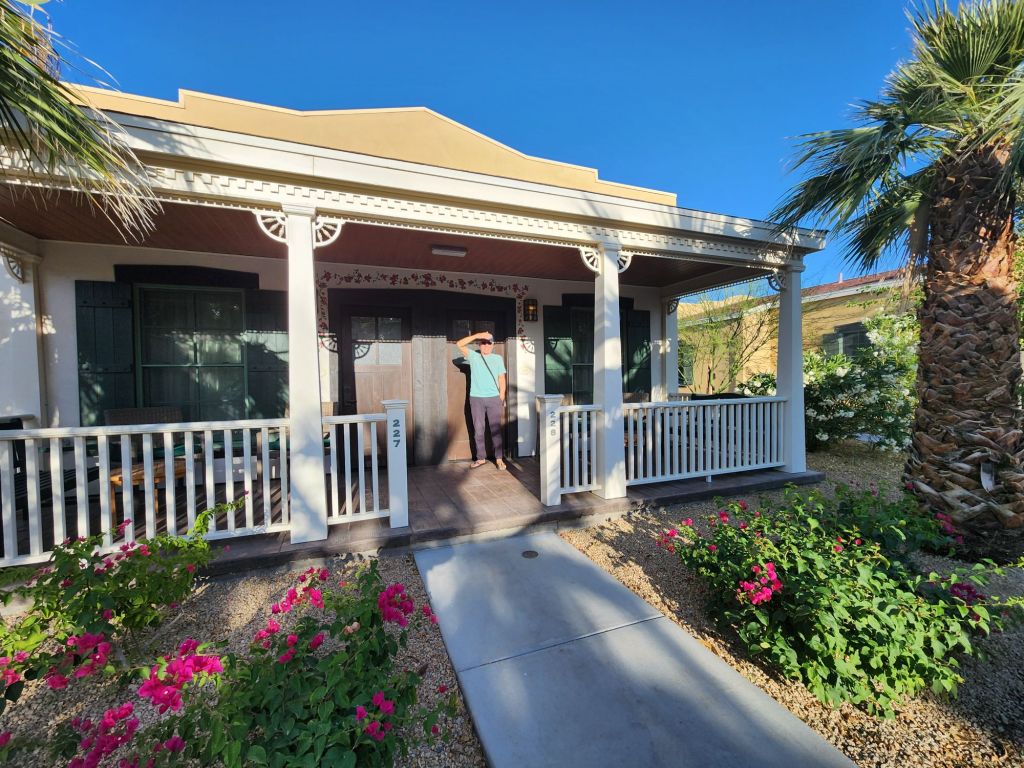
The Ranch at Death Valley in Furnace Creek, was our home for 3 nights and it was a lovely resort where we stayed in a cottage surrounded by oleander and palm trees. We took our first day off from activities and travel, partly because we just needed a day to relax and partly because the winds were forecasted to be 30-40 mph with gusts up to 60 mph. The sand can be painful hitting you at those speeds. Despite the winds, dust and sand on our food we still managed to eat all three meals outside which was a real treat.
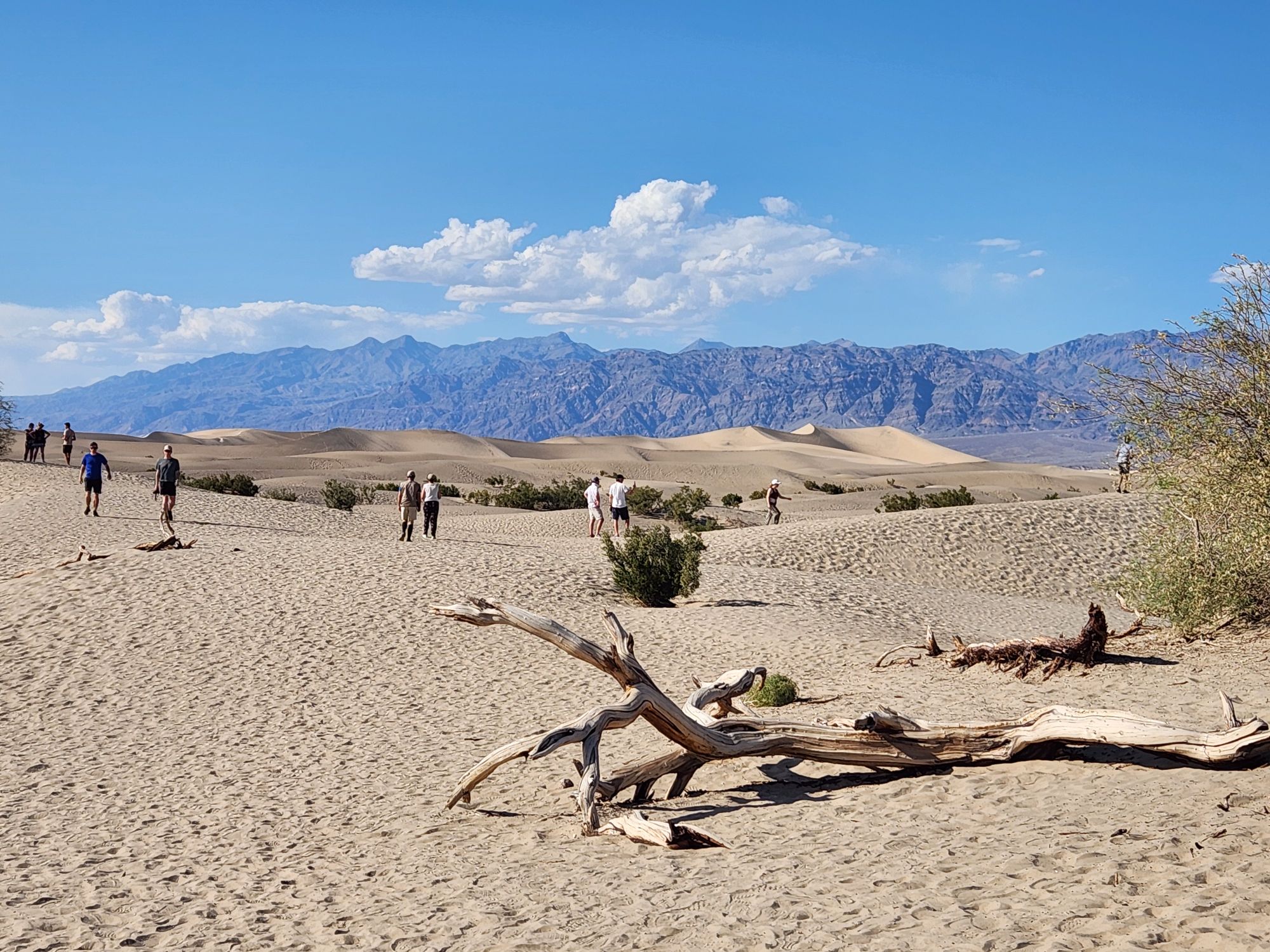
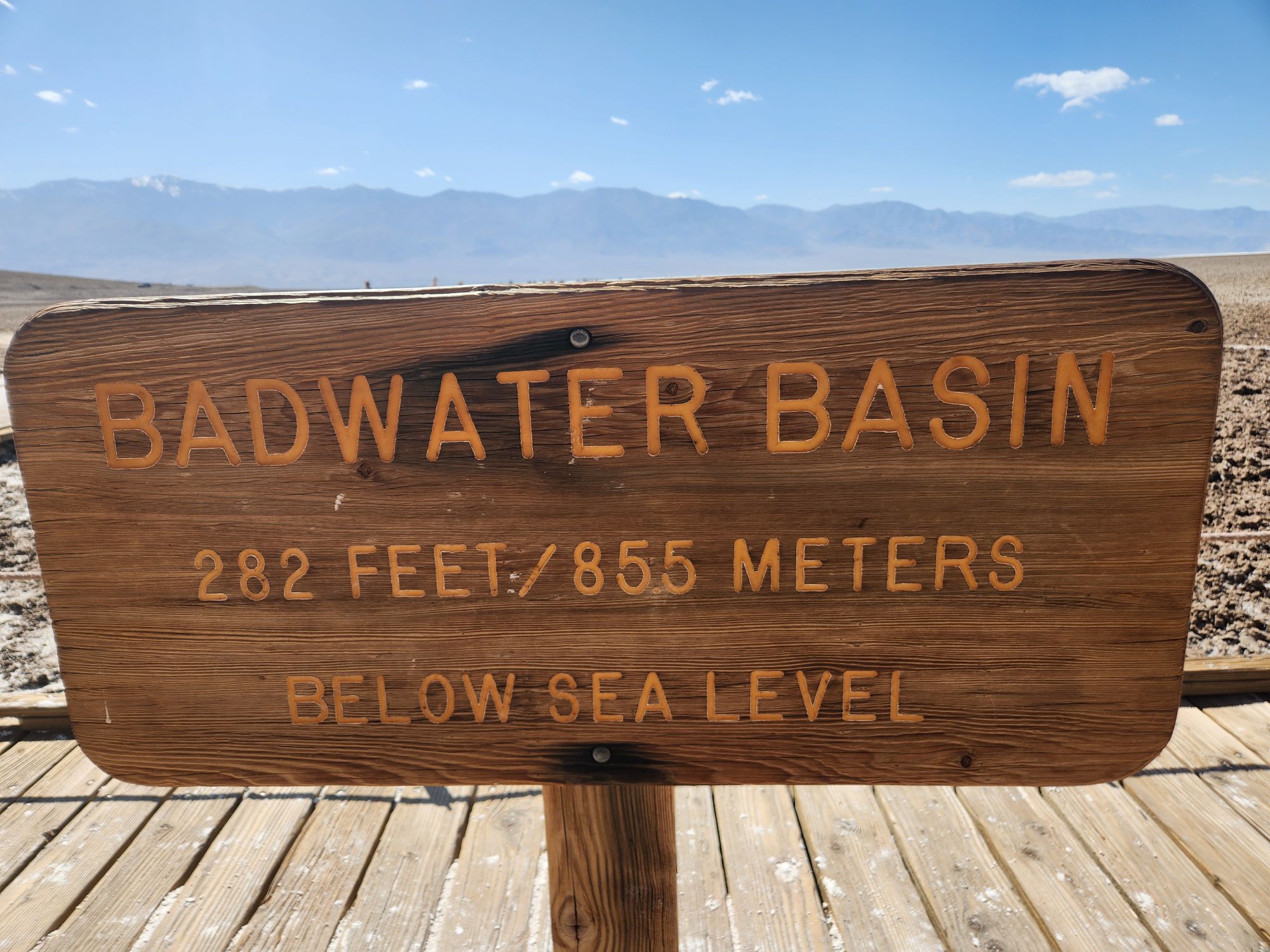
Upon entering the national park we walked on the sand dunes and admired Rainbow canyon where air force training flights took place (it looked like Top Gun: Maverick). We learned about the important role of borax, its production site and townsite, now a ghost town, and how it played an important role in the history of Death Valley. We saw some of the original 20-Mule Team wagons and associated machinery that was used prior to trains. We walked in Badwater Basin, the actual location of the lowest point, across the expansive salt flats. Death Valley is in a rain shadow, meaning that the storms approach from the west and the rain is squeezed out in the mountain ranges prior to reaching the valley. Last August the remnants of Hurricane Hillary dropped a year’s worth of rain, 2.2″, in one day and a lake was formed which is still there today. So interesting that the smallest amount of rain there can cause major floods.


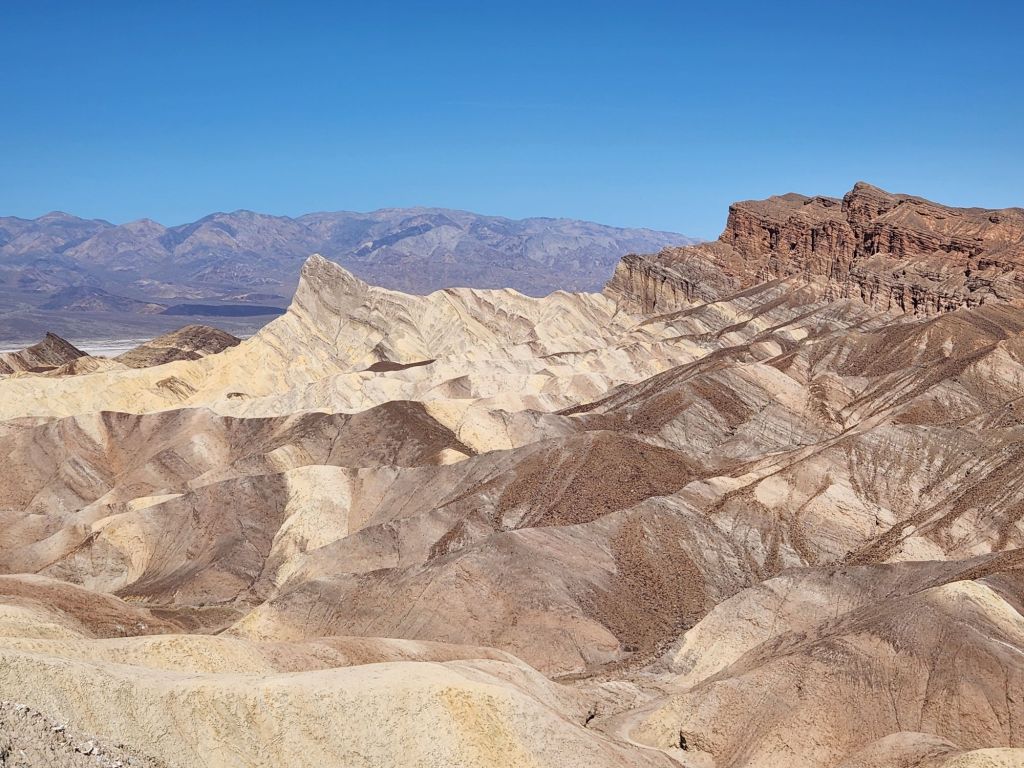
Our final stop after driving all through the park was the Artists Palette, known for it’s variety of colors. This nine mile drive of stunning pastel colors of sediment created by volcanic deposits of iron and chlorite create a rainbow effect. Not only was it wonderful visually, it was also fun to drive as there were deep dips and very tight curves. In fact, no vehicles over 25′ were allowed. Scott loved this loop so much that we returned the next day for another drive-thru and hiked among the colorful mounds. Our pictures are pretty useless as they do not show the shades and colors.
Surprisingly, only 1% of the desert there is sand dunes…in my mind’s eye I pictured sand as far as the eye could see. With over 3 million acres, the largest national park in the contiguous US, it has great contrasts of desert and snow covered mountains, highs and lows, pastels and tans. The literal low point of our trip ended up being a highlight and we loved it. Next up…hopscotching through Nevada, Utah, Arizona and New Mexico.
 Scott and Melissa's "Unforgettable" Adventures
Leave a comment