Tirano, Venice, Florence, Tuscany, Rome and Vernazza…24 nights in Italy…WOW!!!
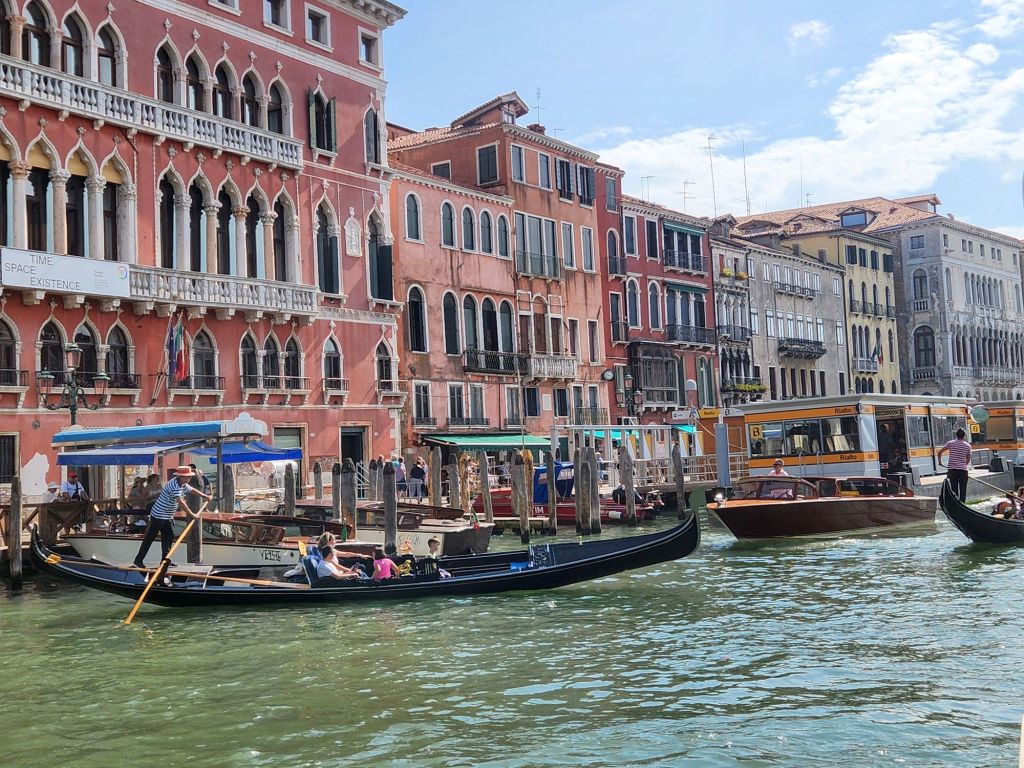
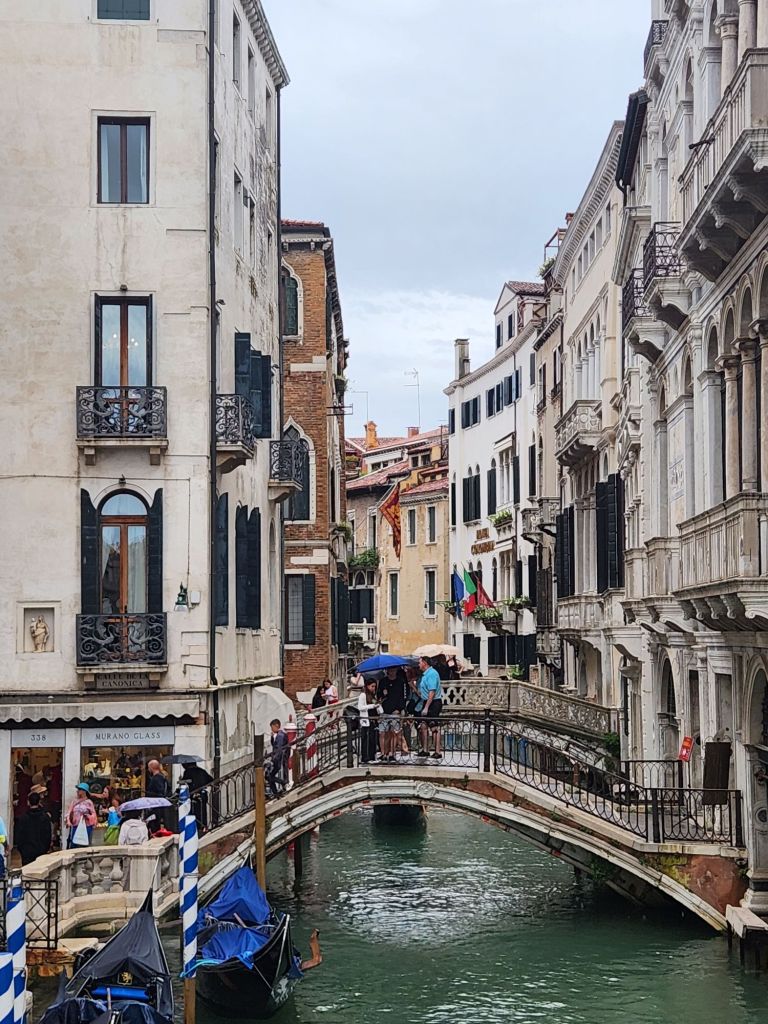
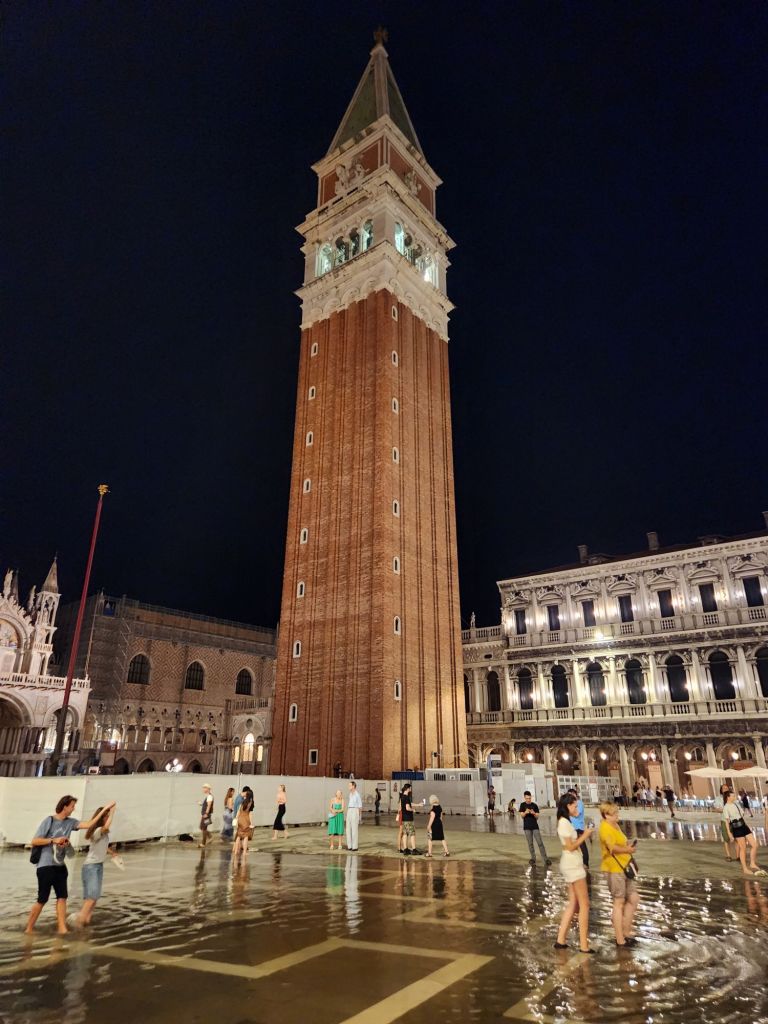
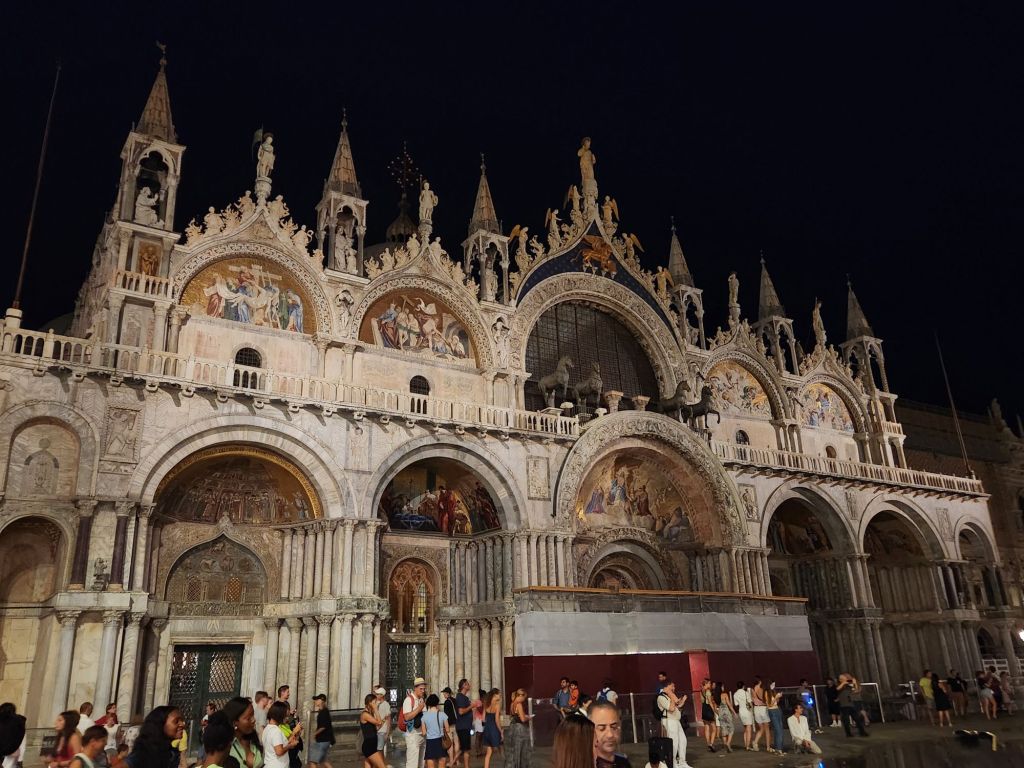
Our sole purpose in stopping in Tirano was to take the Bernina Express from St. Moritz in Switzerland to Italy so we only stayed one night, it wasn’t a town that I would recommend. Venice, however, was unlike anywhere else with the canals, bridges, vaporetti, art and architecture. Traffic in the Grand Canal was crazy and crowded with all the gondolas, vaporetti and small power boats. We did not ride in a gondola because it drizzled/rained the entire 3 days we were there. After tasting cuttlefish, which was on my “must try” list, at our first dinner we headed to the famous St. Mark’s square. We were taken aback by the flooding which happens regularly at high tide as it is the lowest point in the city. With the sinking of Venice and the rising sea levels it is predicted that if current trends continue the city could disappear by 2100.
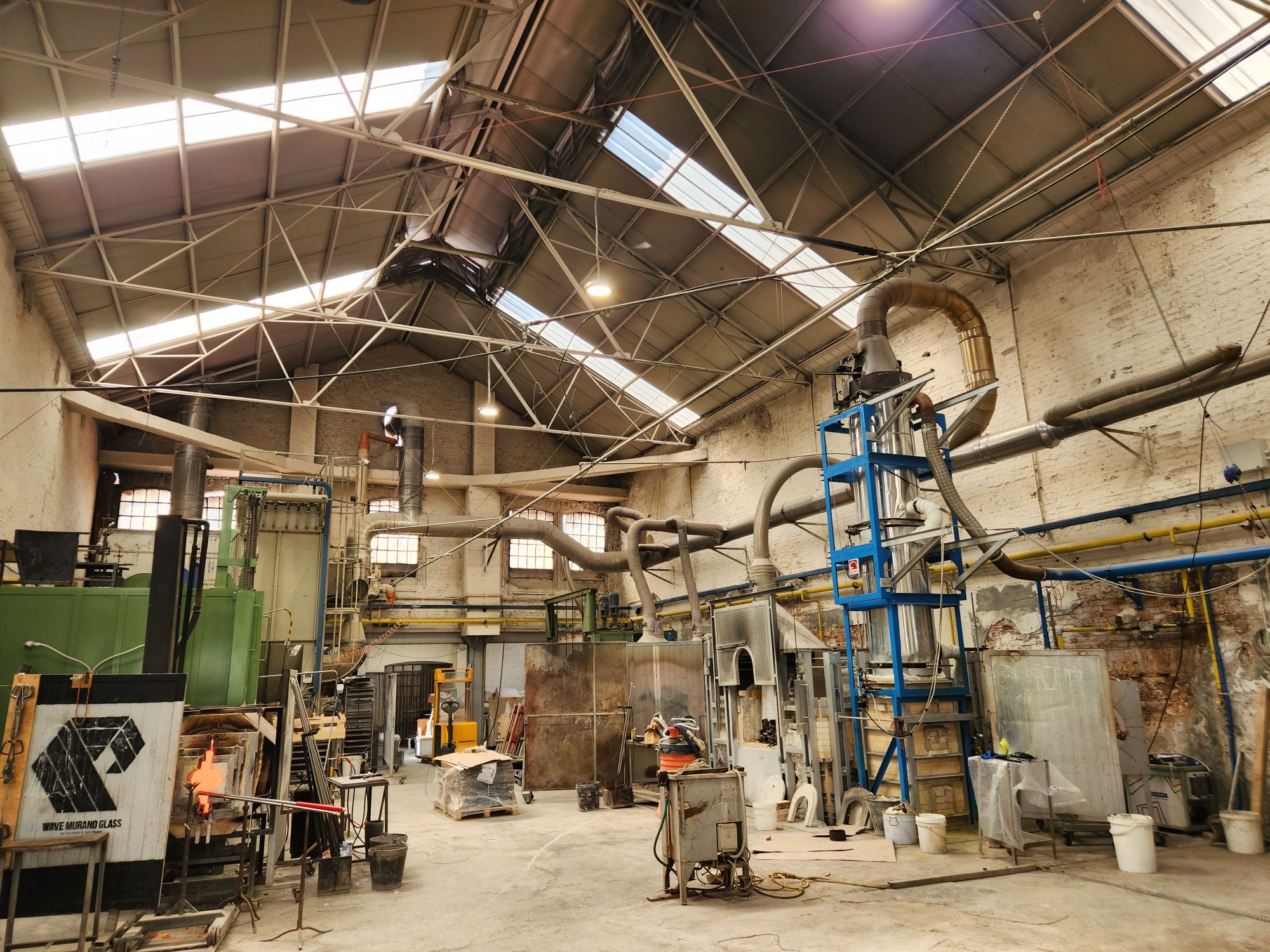
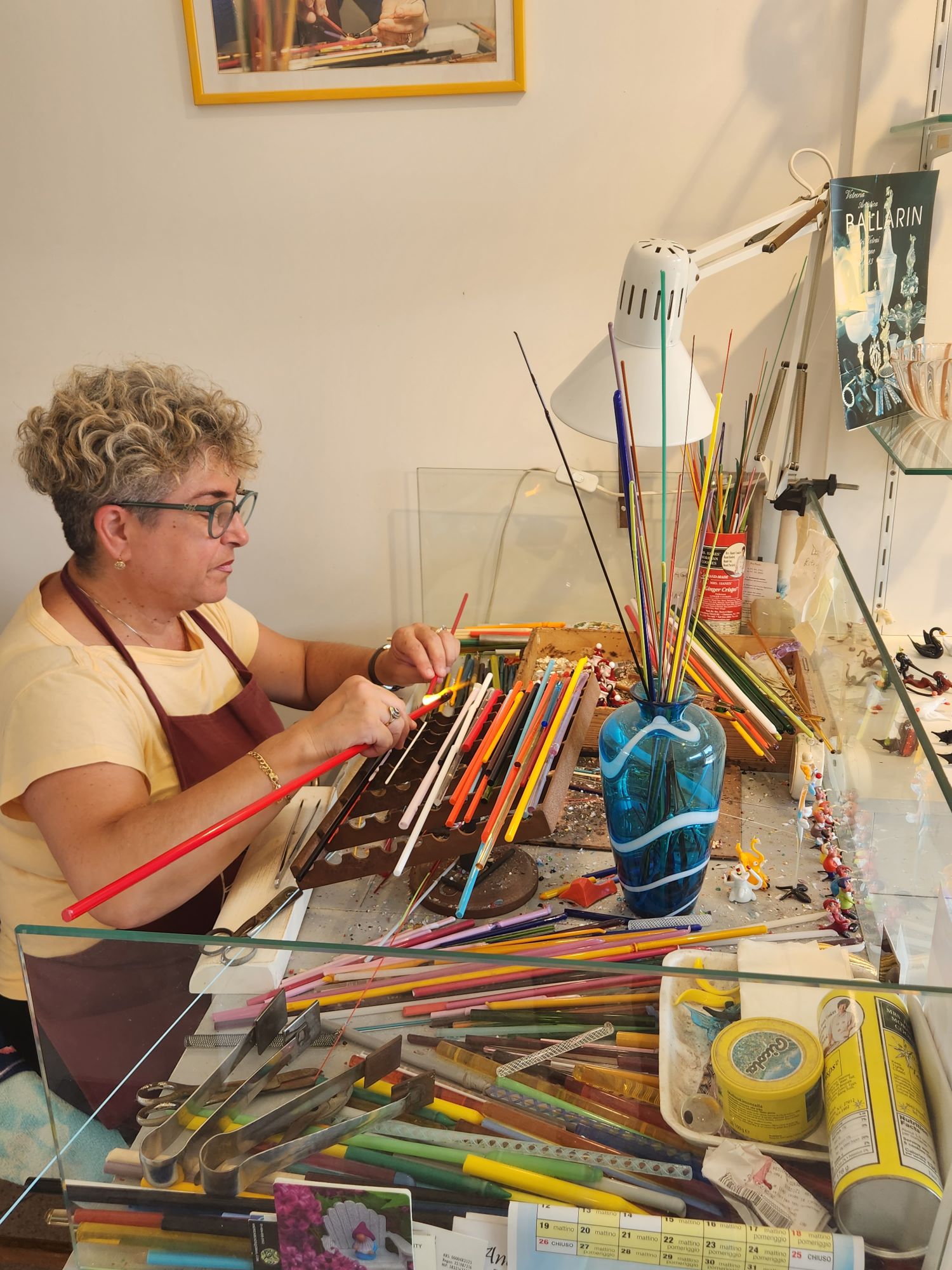
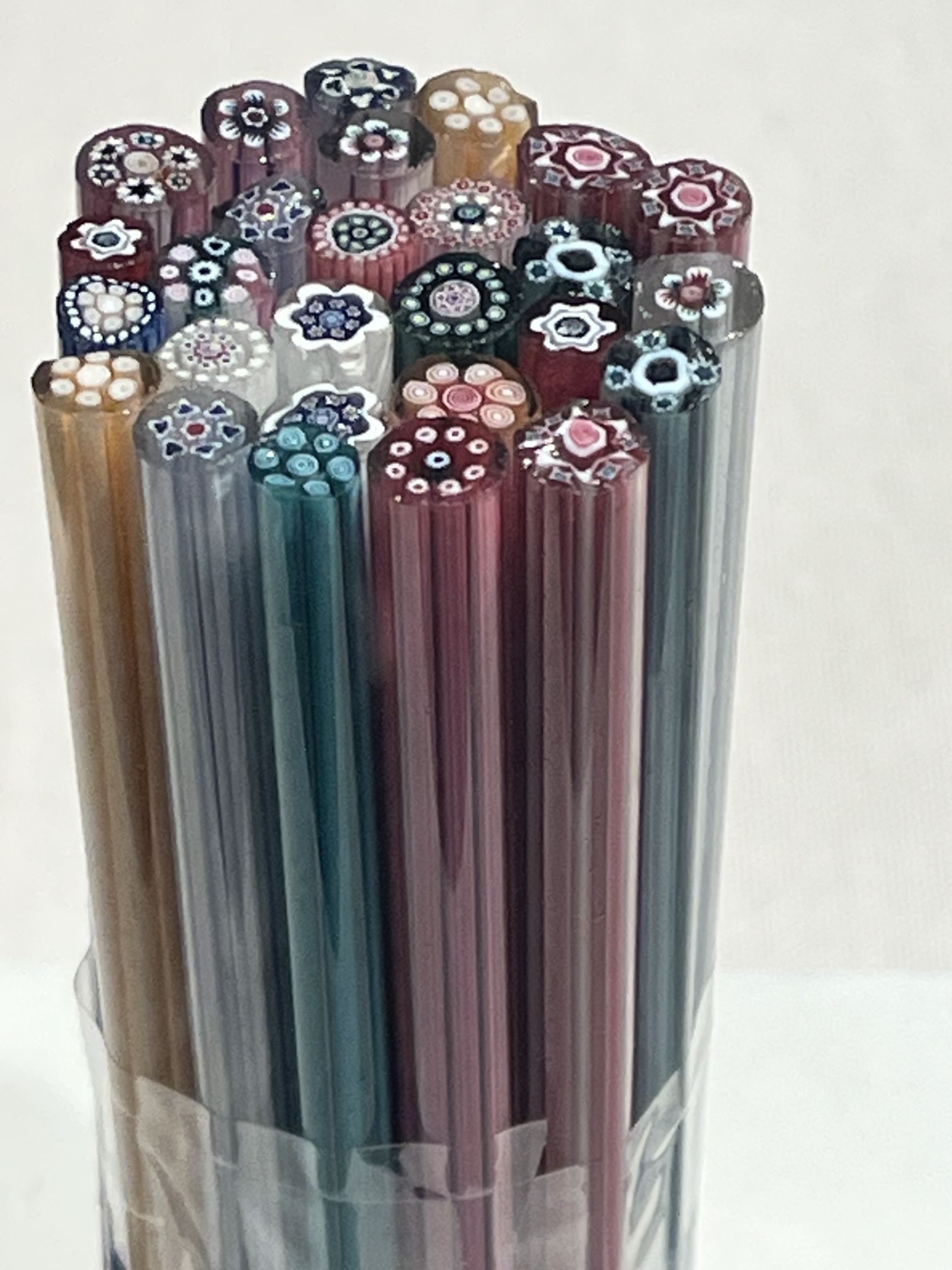
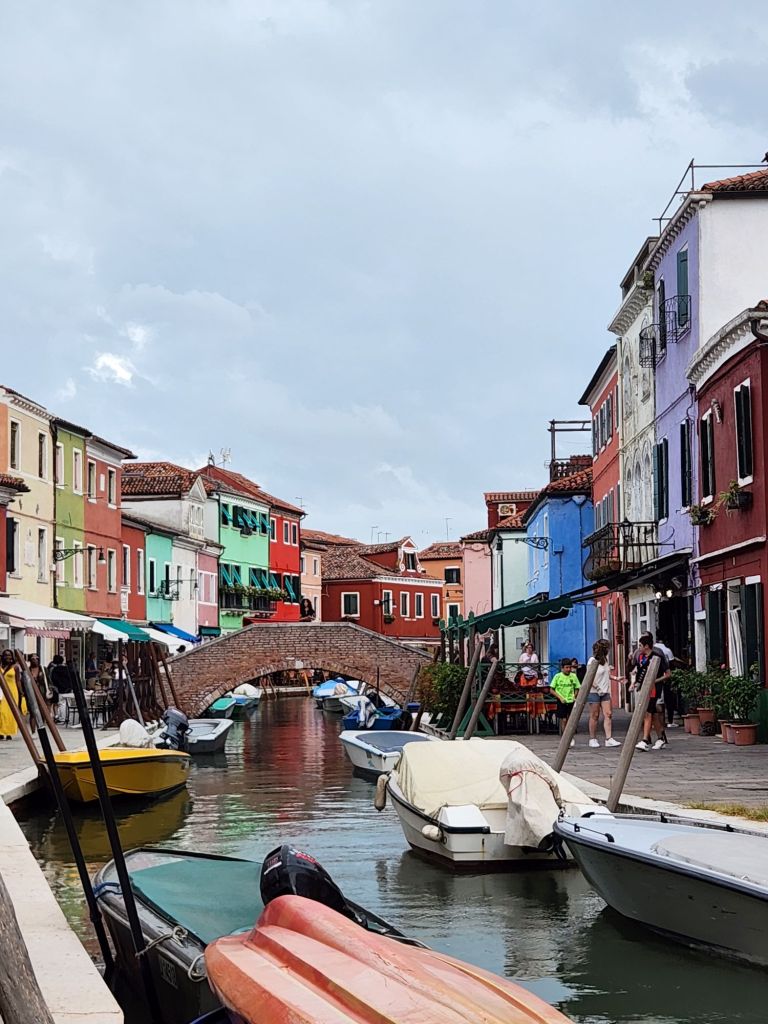
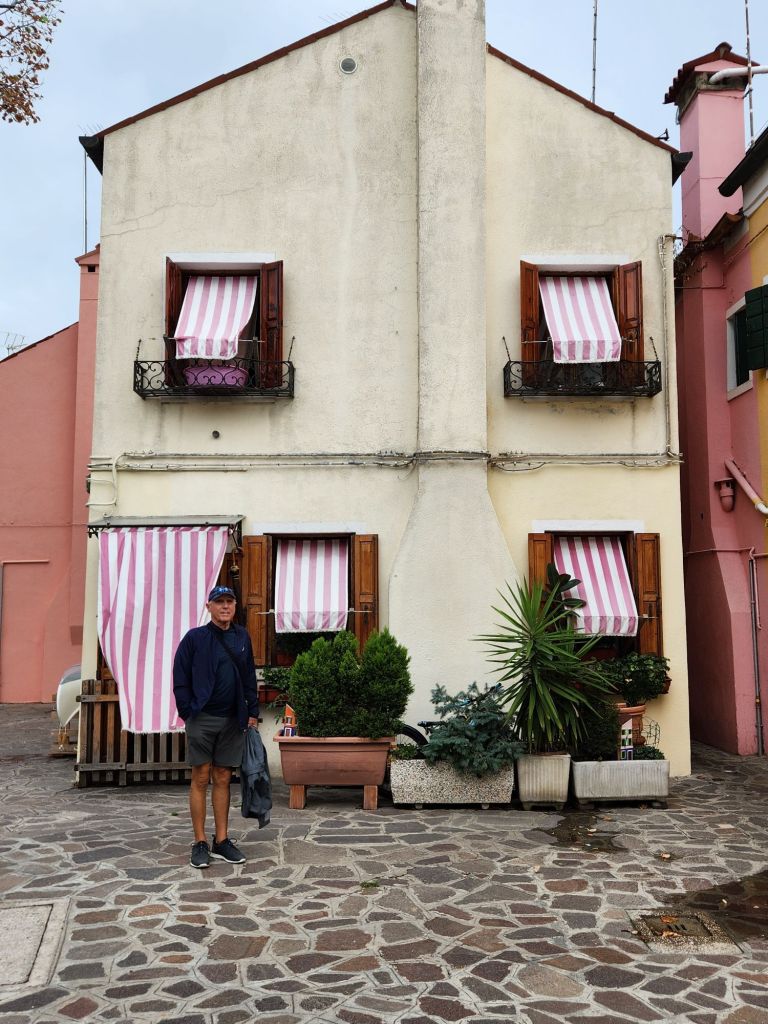
We took a day trip via vaporetti to the islands of Murano and Burano. The Museo del Vetro (Glass Museum) and the glass factories were delightful. Since watching the glass blowers as a child in Silver Dollar City I have been drawn to this art form. I could have stood for hours in awe admiring the individual shop owners creating beautiful glass works from the tiny millefiori to the creation of ginormous chandeliers in the factories. The millefiori style (Italian for a thousand flowers) that began in the 17th century has tiny glass canes layered then cut into slices. Burano was our second island which was charming with the different colored homes. The fabric flowing over the doors allowed the inhabitants to enjoy the breeze and maintain some privacy.
The guided tours of St. Mark’s Basilica and Doge’s Palace were very interesting and informative. Stolen artifacts, such as the body of St. Mark from Egypt and a multitude of other treasure such as the bronze horses, mosaics, and gold relics that were plundered from Constantinople after the fourth religious crusade, adorn the basilica. Basically, the whole place had been pilfered. Since everyone was required to have shoulders and knees covered in most of the churches we were becoming used to wearing basically the same church uniform for all of our church visits, even when it was steamy hot. At the end of the day we were enjoying our apertivo (pre-meal drink) and cicchetti (snacks, often free with the drink).
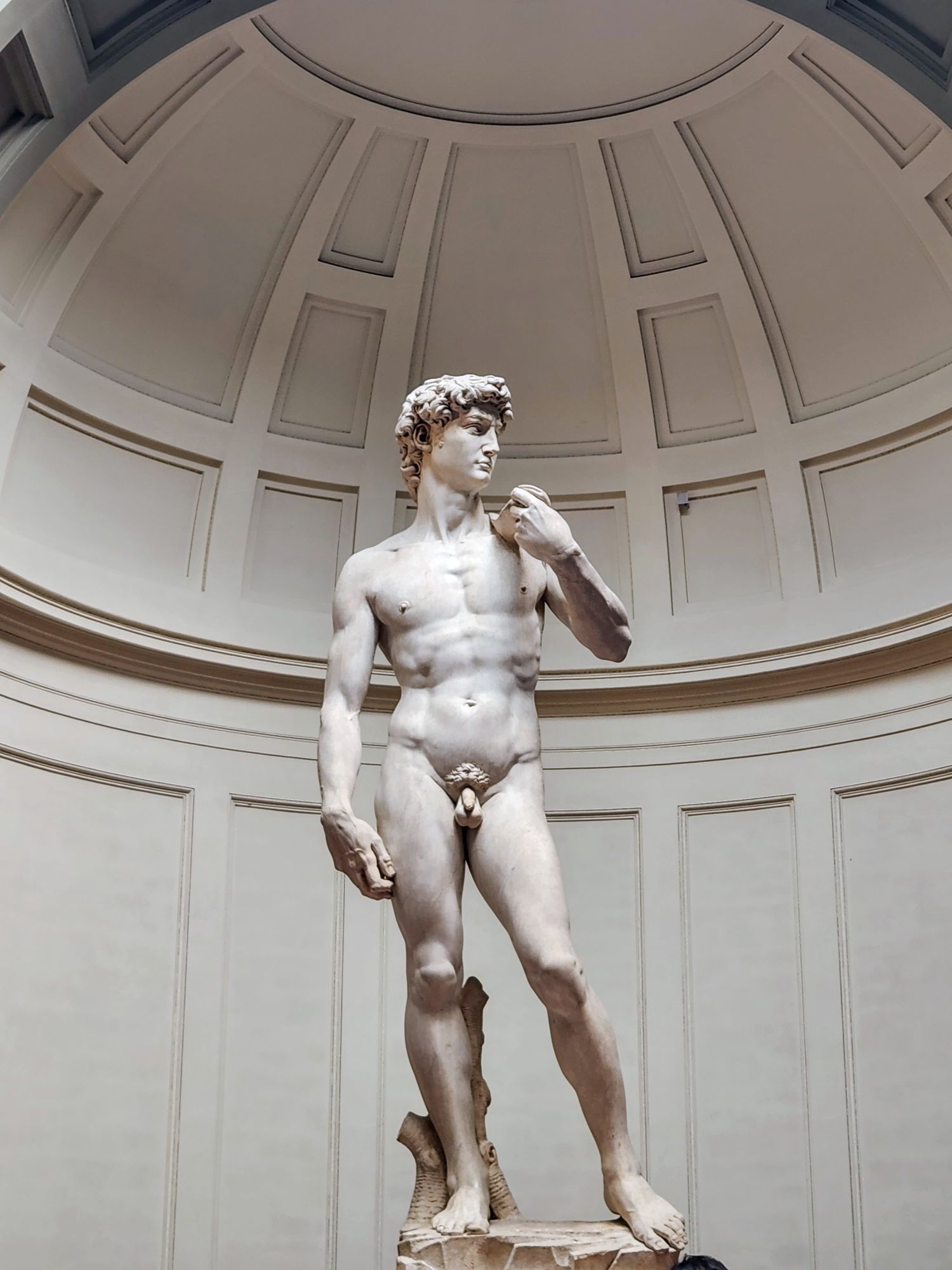
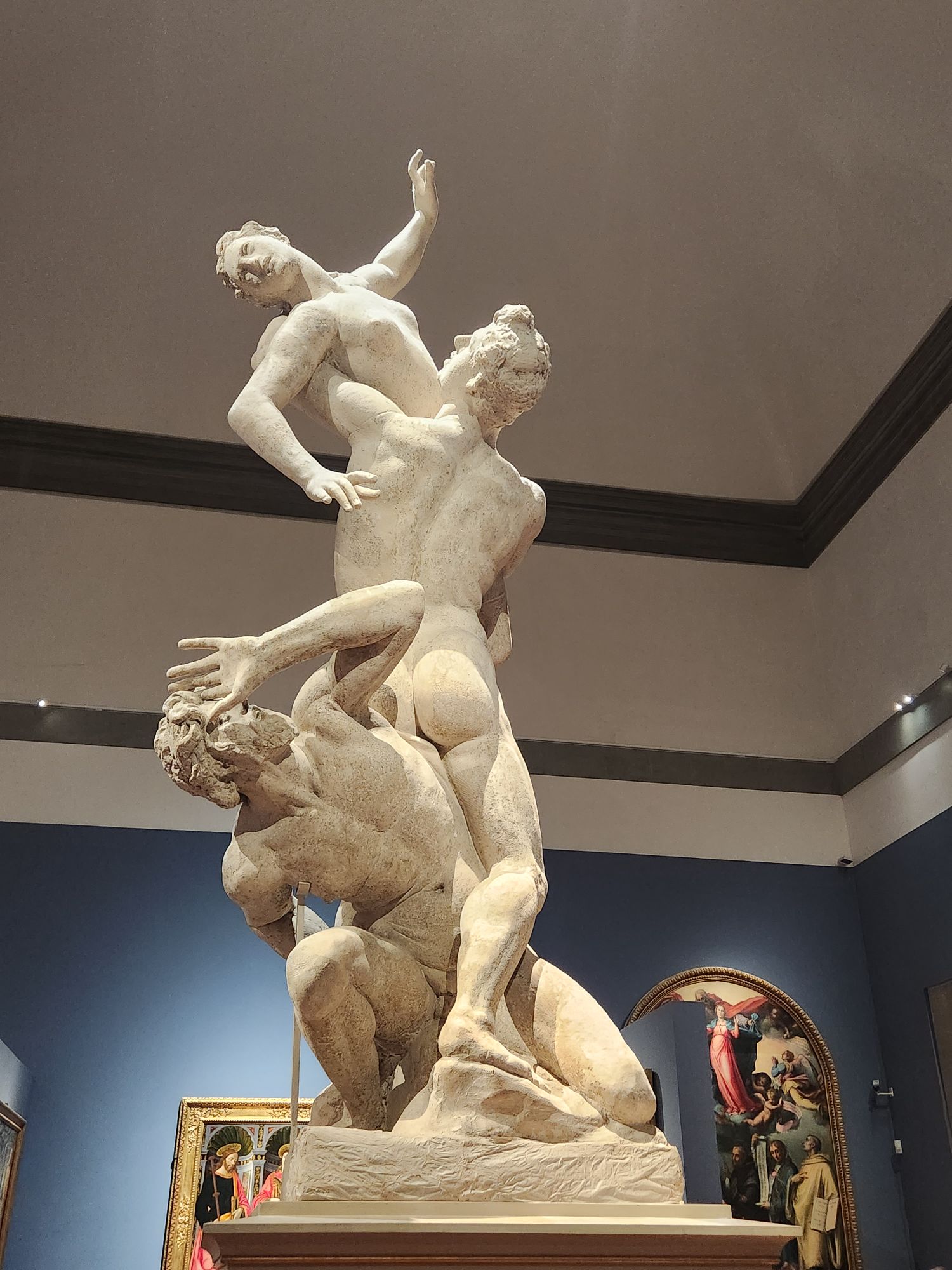
Three nights in Venice flew by but we were ready to get out of the rain and go to Firenze (Florence), the capitol of the Tuscany region. The single art history course I took in college has had a lasting effect on my life so visiting the museums were the highlights of our trip for me. It was thrilling to actually see with my own eyes the works that I studied 44 years ago (has it really been that long?) The Accademia Gallery was amazing with David, Rape of the Sabines, some of Michelangelo’s Slaves and the musical instruments.
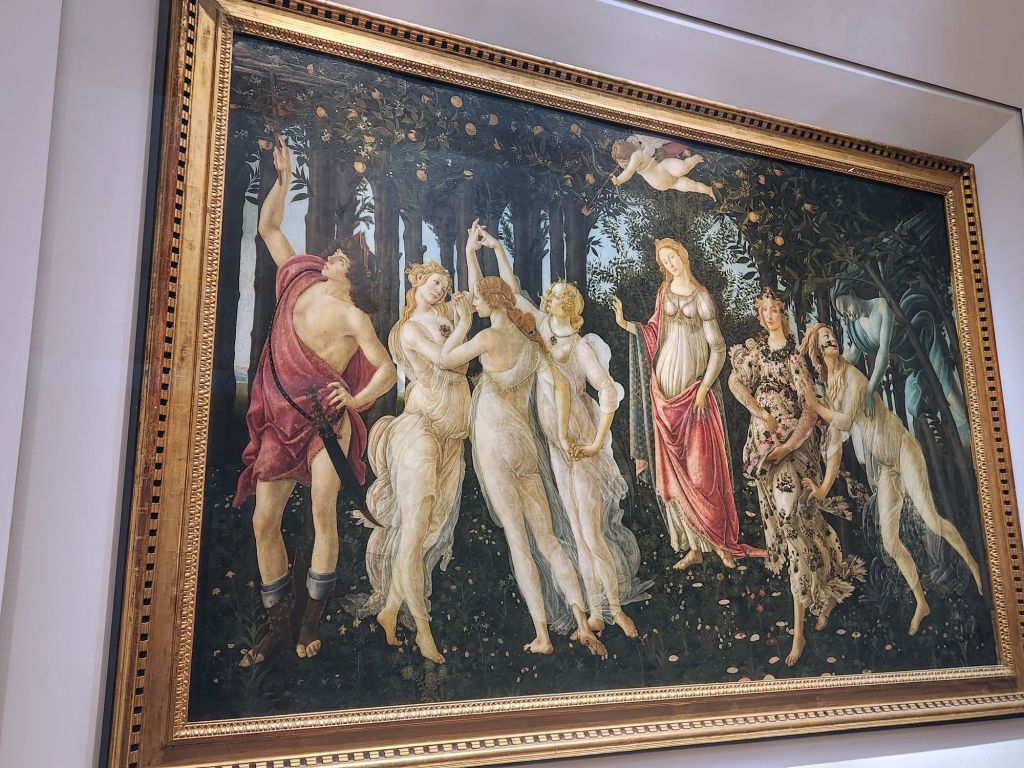
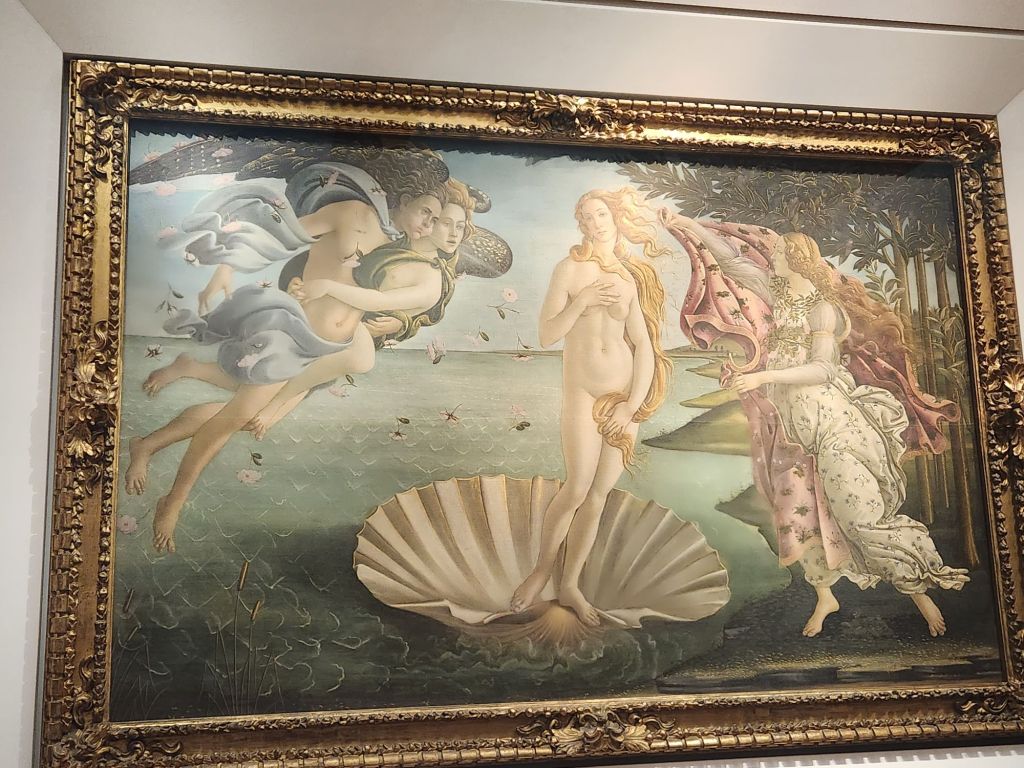
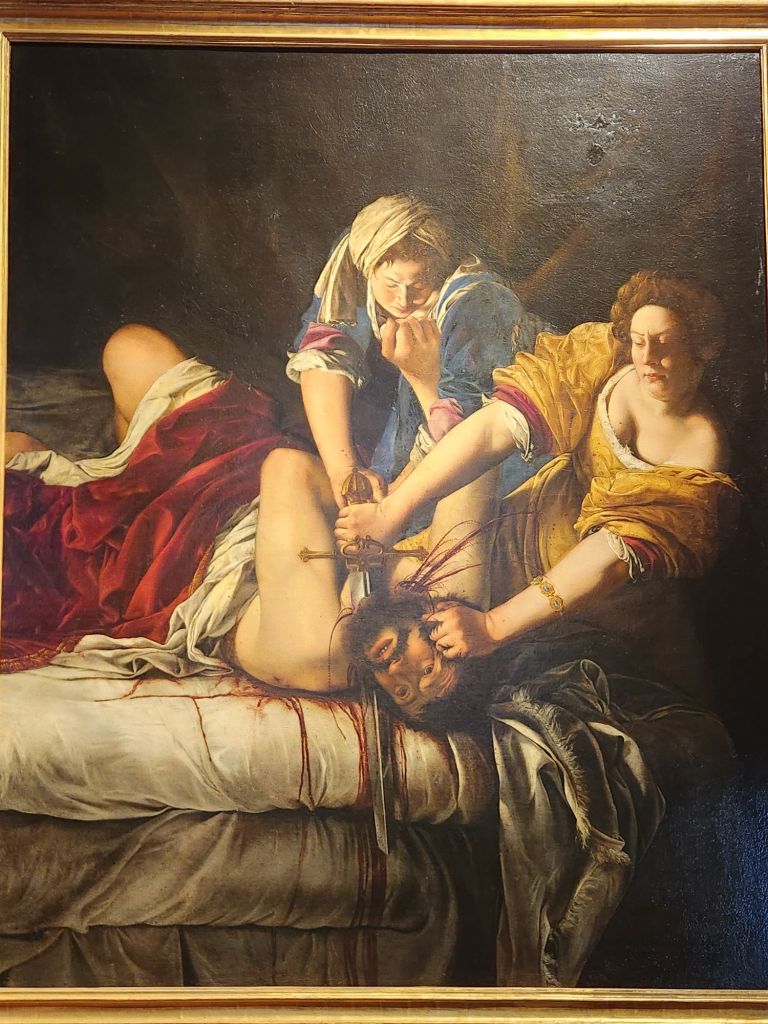
The buildings that house the great European museums are works of art themselves with the Uffizi Gallery being one of these masterpieces. The big three for me here were the Primavera by Botticelli, the Birth of Venus by Botticelli and Judith Slaying Holofernes by Artemisia Gentileschi, the rare female artist of the 1600’s. Artemisia is my daughter Cassandra’s favorite artist so she was a must see. I could have spent the entire day just gazing and admiring. What we did not do was stand in front of the famous pieces and take selfies which was what all the young women did. Assumedly this was for their instagram accounts because they did not even glance at the works and blocked other people’s views. Totally irritating!!!
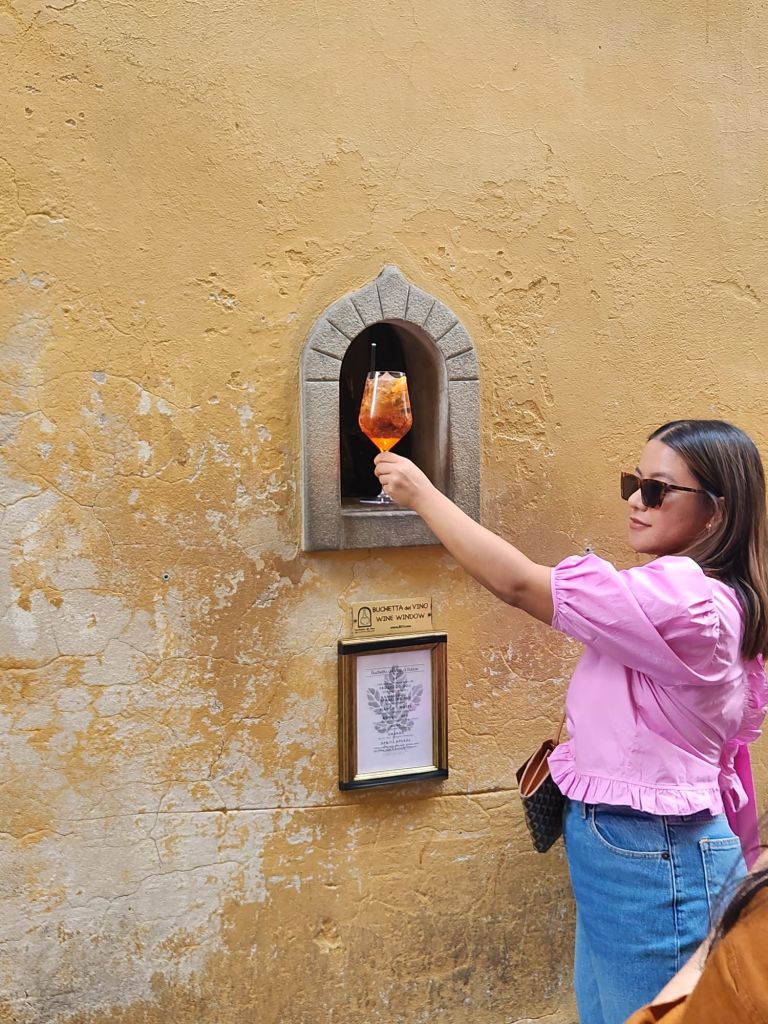
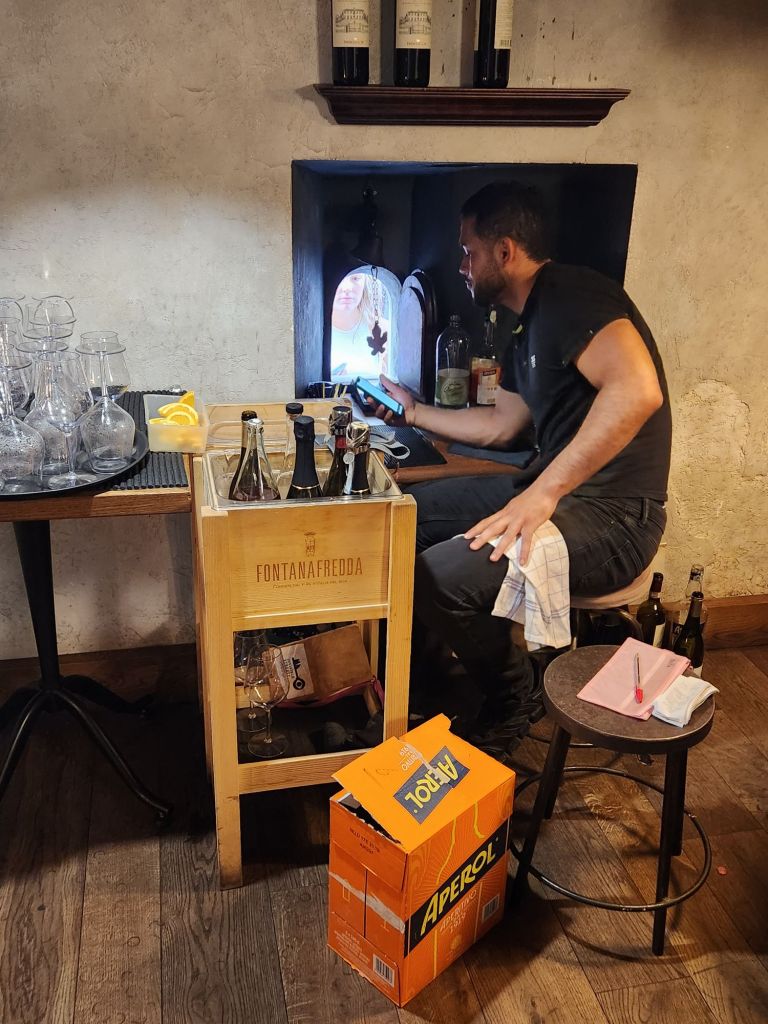
We had fun searching for the wine windows from the 1600’s. When the bubonic plague hit the shopkeepers could still sell wine and food with minimal contact through the windows. We didn’t actually order the wine as the lines were extremely long. We did, however, go inside and watch the “bartender” while sitting down with our glass of wine.
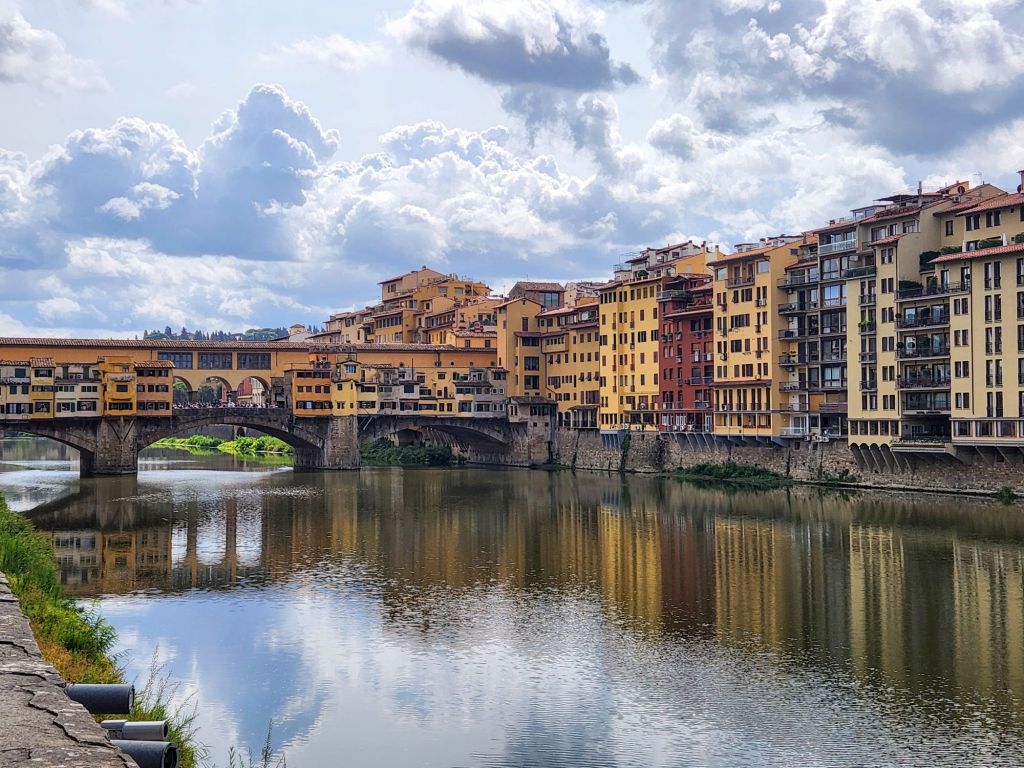
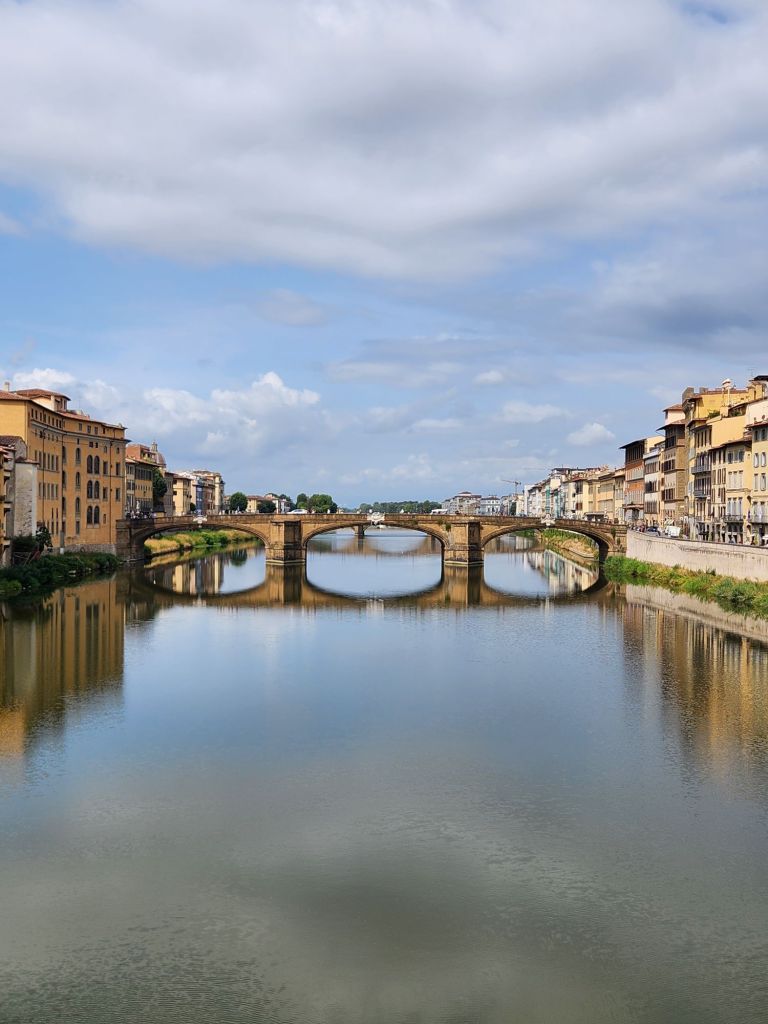
We crossed the Arno river via the medieval Ponte Vecchio (bridge) which houses shops and was the only bridge in Florence that wasn’t destroyed during WWII . During our stroll through the Santo Spirito neighborhood and we explored the Bardini Gardens which were lacking the flowers and gorgeous landscaping that we had anticipated. We visited several markets and loved the Mercato Centrale. It’s always fun sampling new foods.
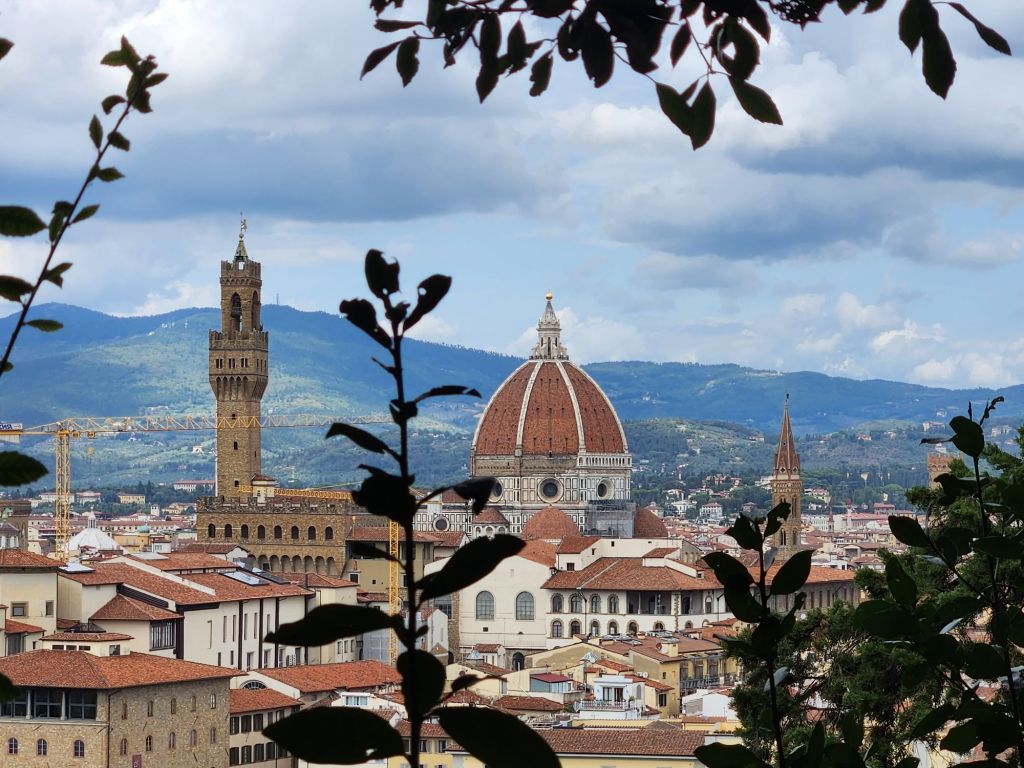
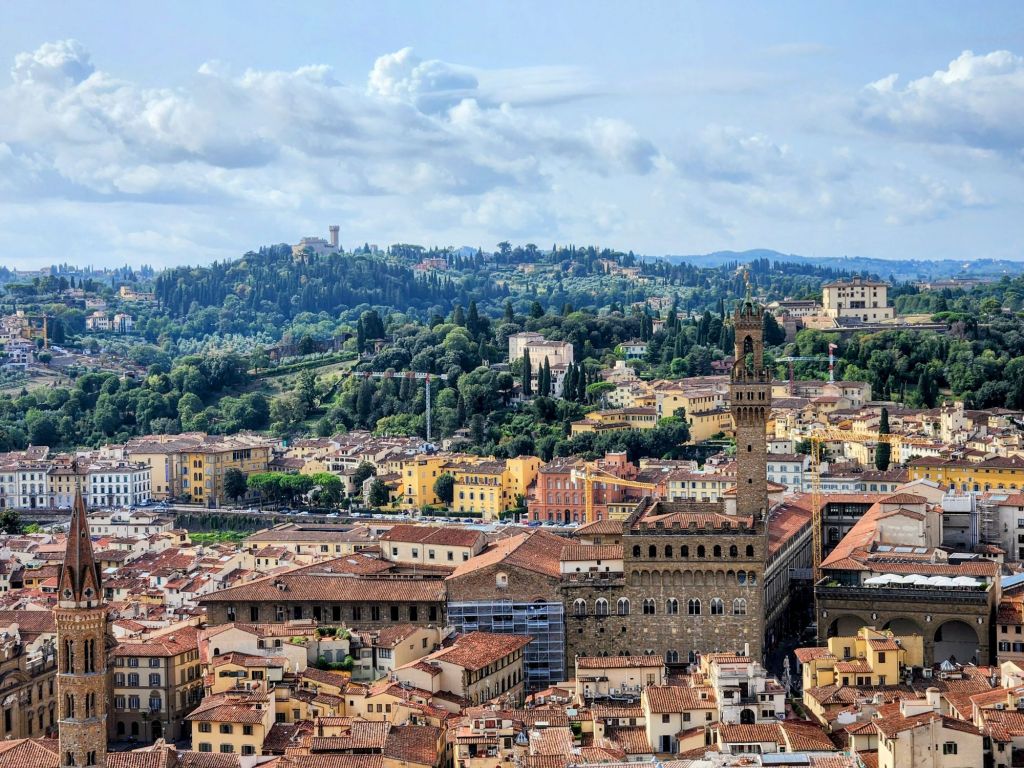
Although we don’t count steps we certainly go our quota when we walked to the top of Brunelleschi’s Dome at the Duomo di Firenze. Built between 1420 and 1436 it is still the largest masonry vault in the world, admirable as it was built without wood reinforcements. Climbing up the 463 steps resulted in magnificent views of the city and surrounding countryside. It is staggering to consider how European history is so well preserved and has withstood the test of time, weather and wars.
Scott’s original plan was to drive the entire 3 month trip. In the end, we were so thankful that we did not do that as the trains were super easy, clean and comfortable but we did rent a car three times. The first car was picked up in Florence to use for a week in Tuscany then we dropped it off in Orvieto. Scott had such fun driving the curvy roads, filled with bicyclists ……….
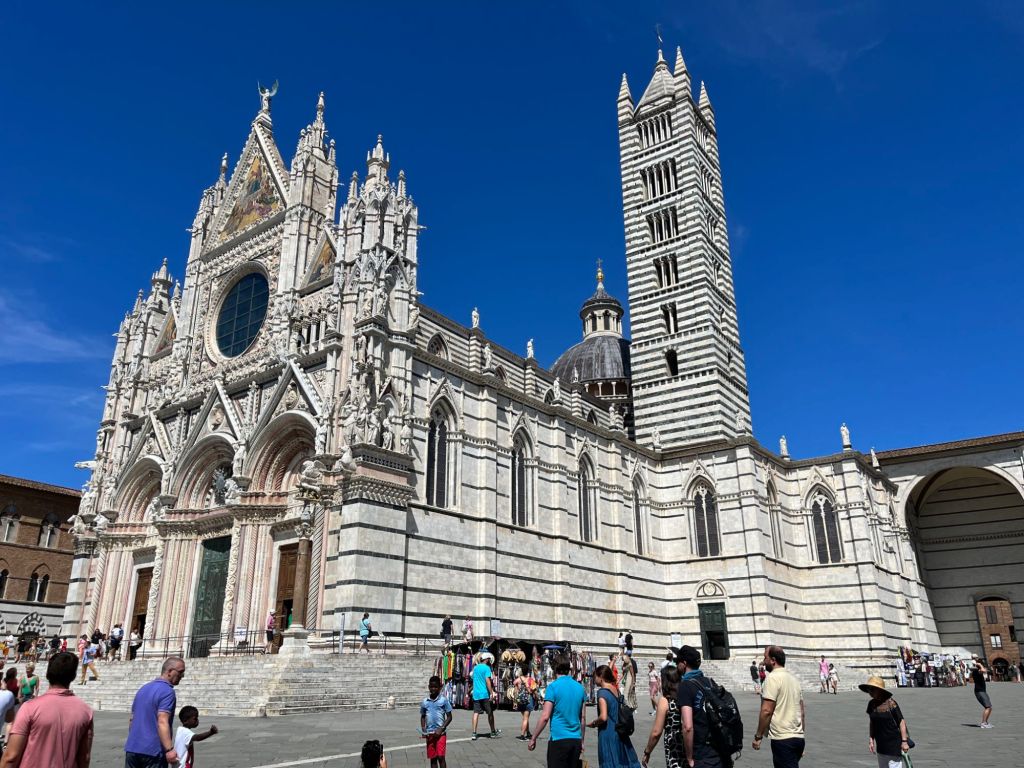
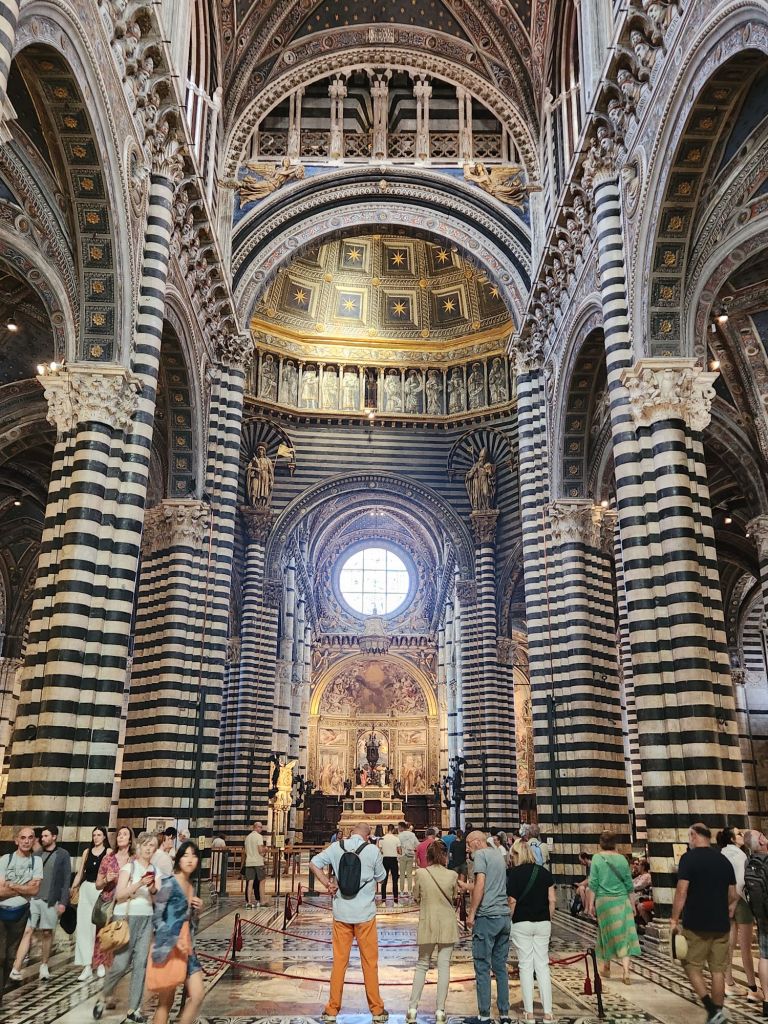
Siena was our first stop for lunch and a tour of the medieval Duomo di Siena. The small walled town of Siena, population 53,772, scored a gorgeous church with works by Donatelli and Michelangelo thanks to Pope Alexander III who was born in Siena. Inside the dominant colors are black and white which linked to the black and white horses of the town’s founders. This was the first of many walled cities that we visited in Italy, France and Portugal. This Duomo was one of the prettiest churches that we visited in all of Europe.
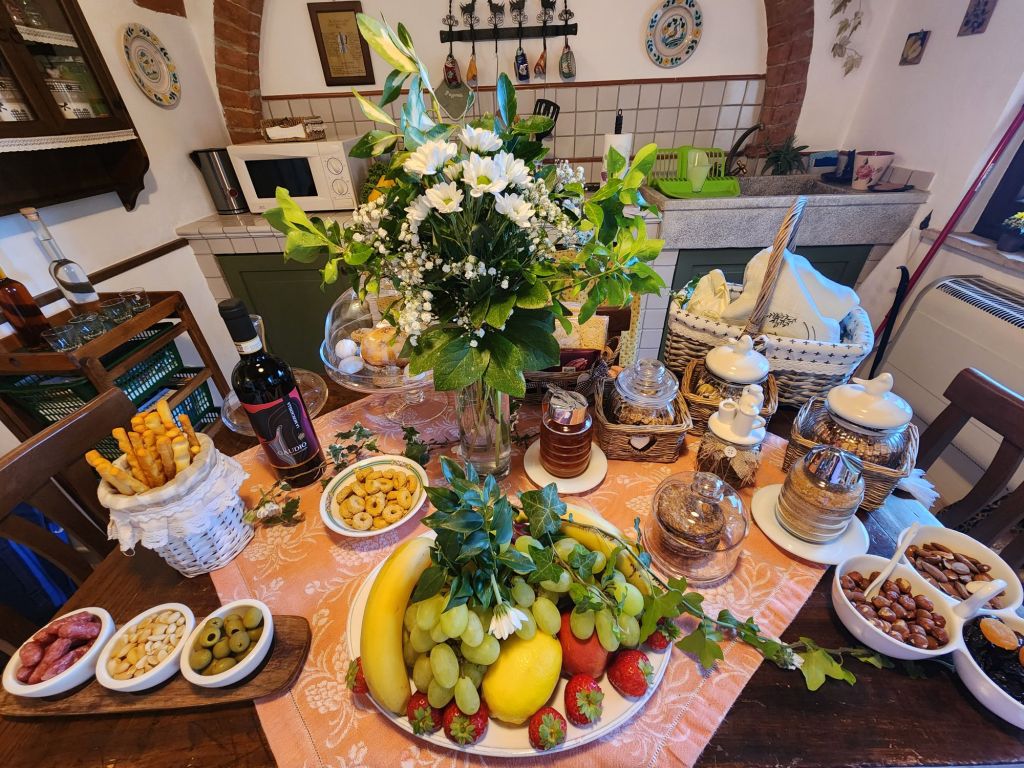
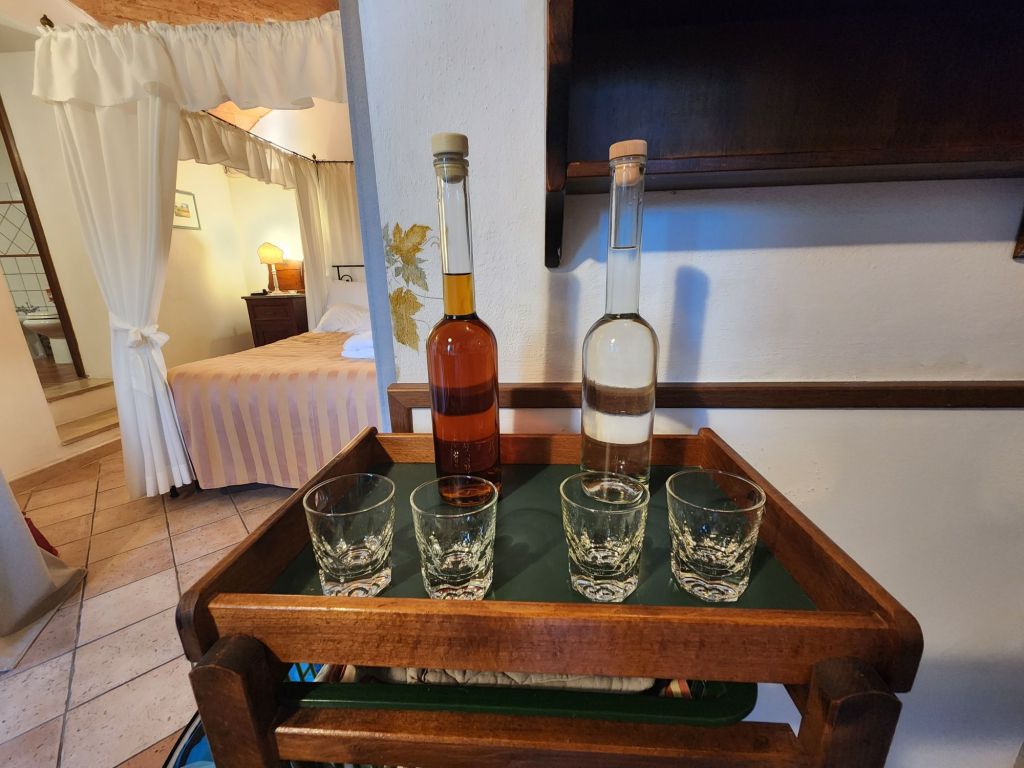
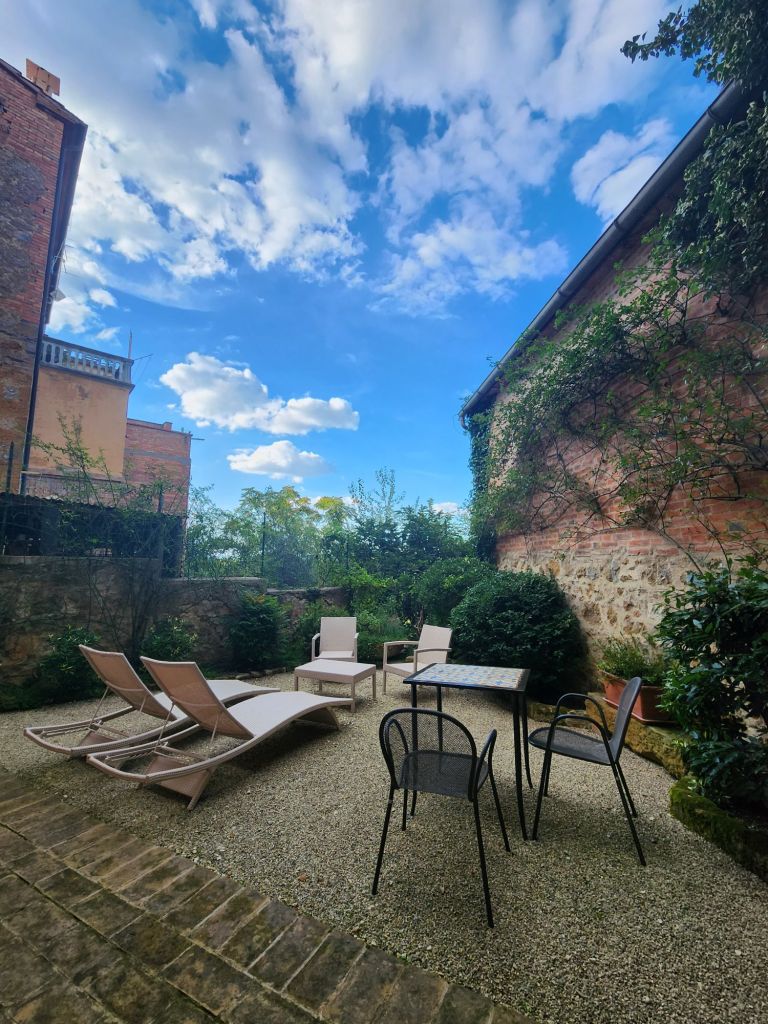
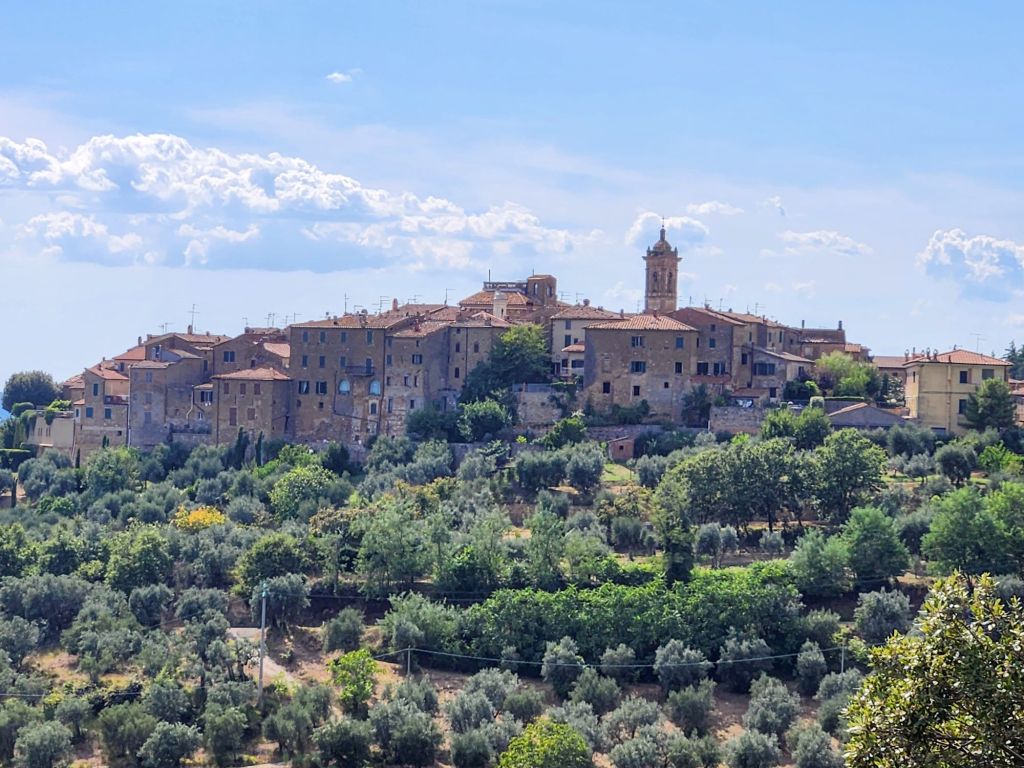
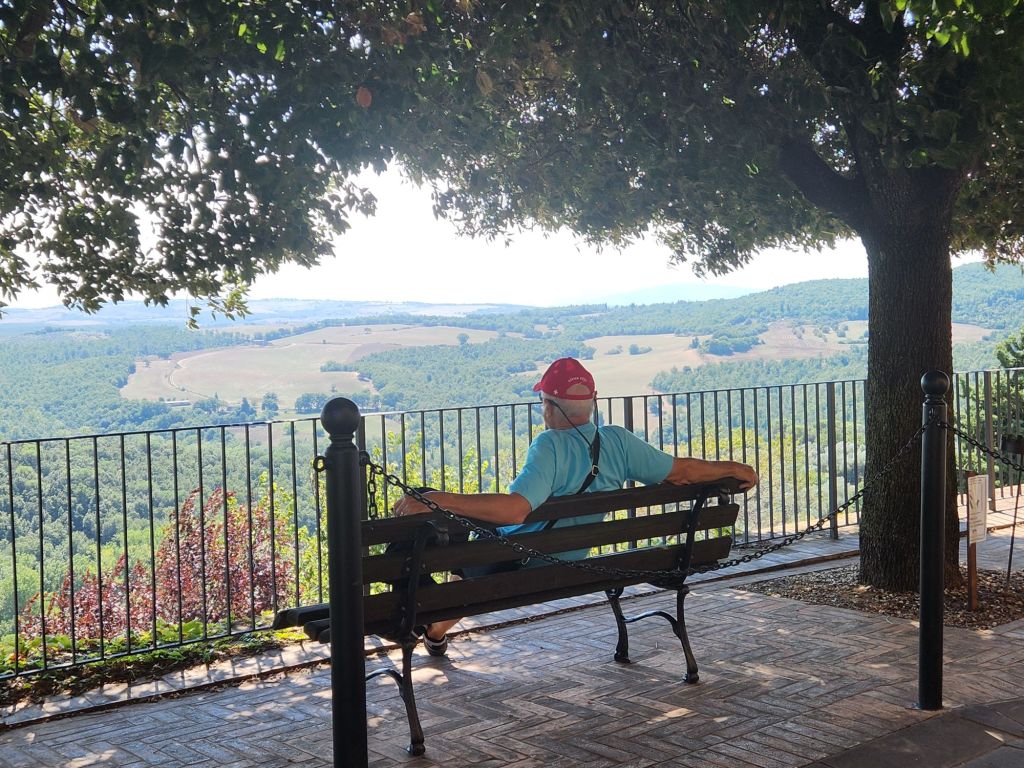
Thanks to the excellent recommendation of our dear friend, Bridget, we enjoyed The Isabella Experience for our week long stay in Castelmuzio, Tuscany. We had no idea what this “Experience” meant but we soon learned that we loved being spoiled by Isabella. She asked us to have a zoom call a few weeks prior to arrival to learn of our interests then she planned a week’s worth of activities for us, all optional of course. We saw so many things and dined at so many places that we would never have considered, including Michelin restaurants. The best part was her inclusion of mapped parking locations for each event! Parking in the walled cities is a huge challenge…steep hills and a stick shift!
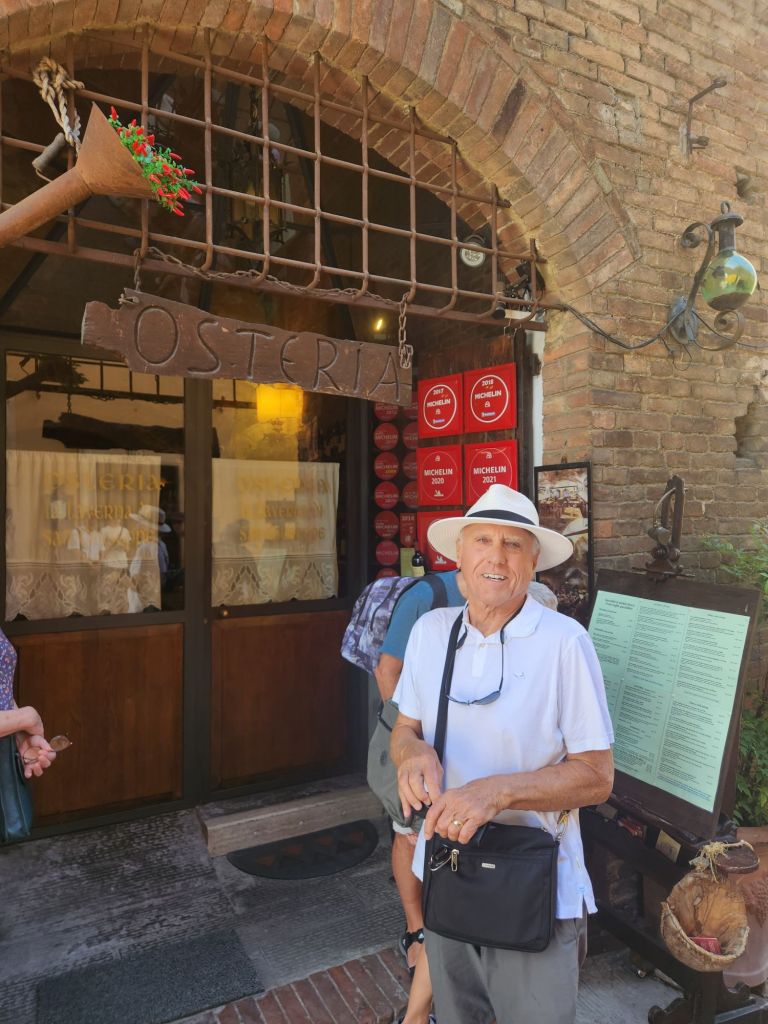
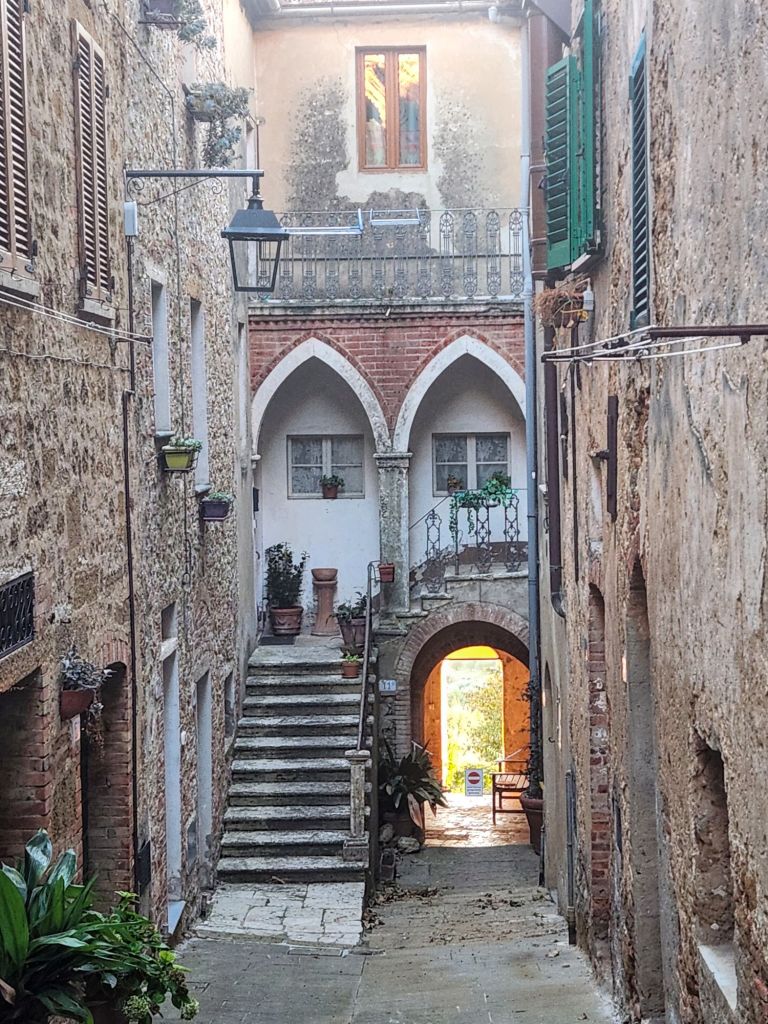
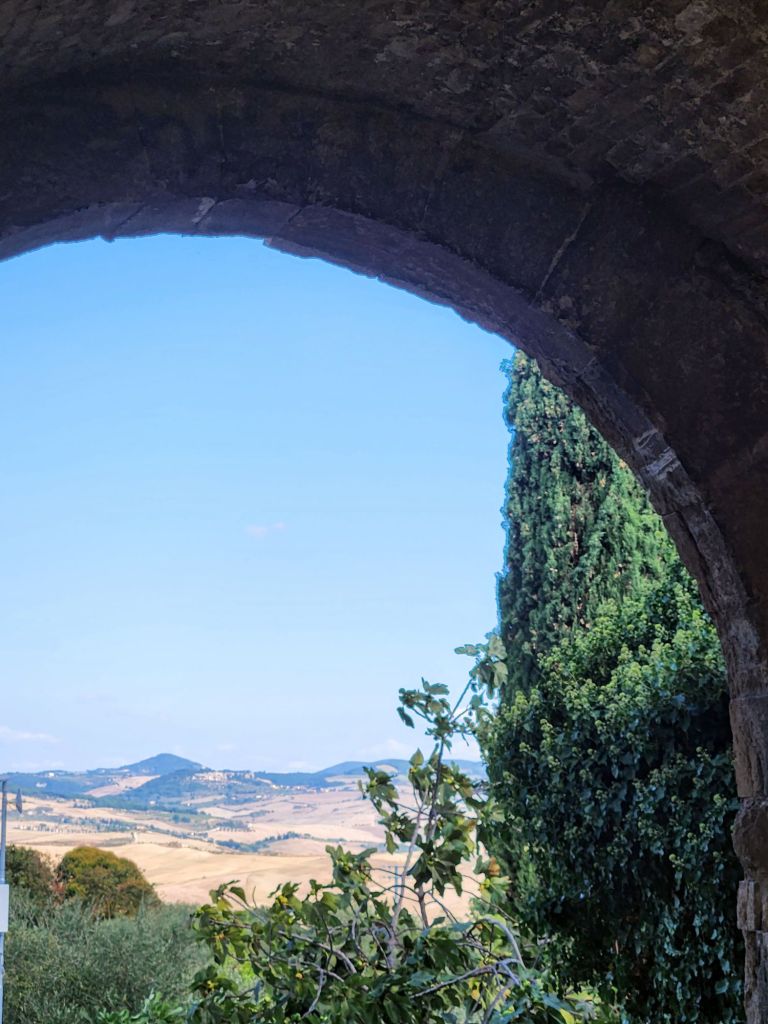
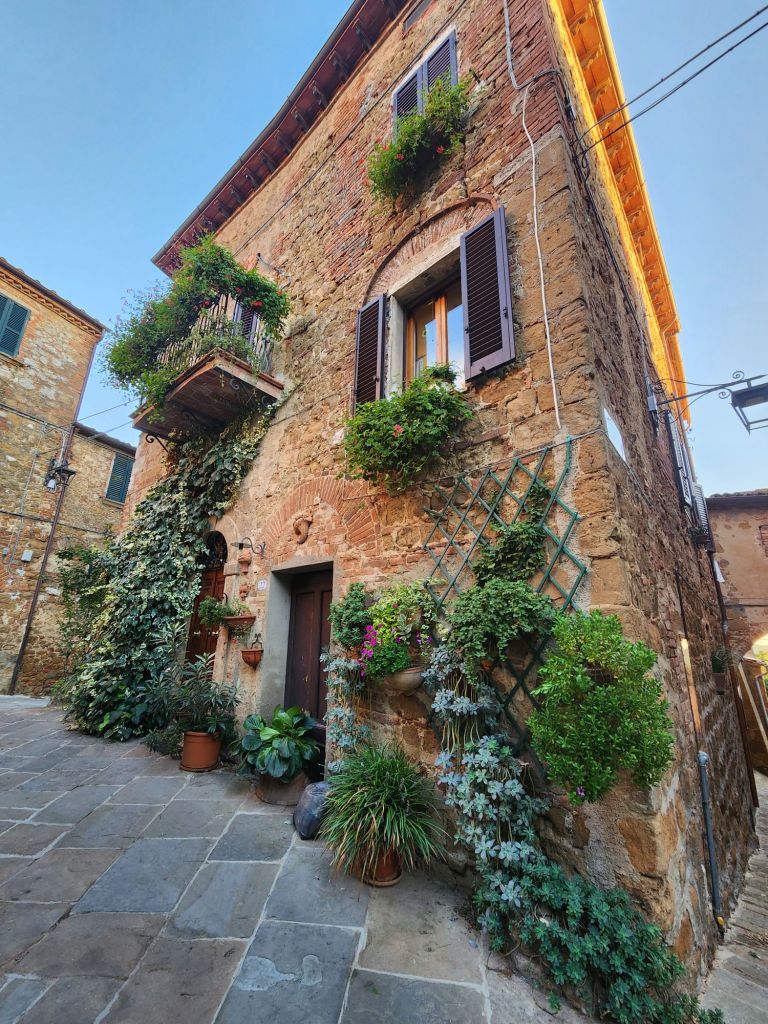
It was delightful meandering through the walled cities of Cortona, Montepulciano, Montalcino, San Quirico d’Orcia, Castelmuzio, Pienza, Montefollonico, Orvieto and others. We basically pigged out twice a day at some fabulous Michelin starred restaurants. I sampled the famous wines but I can’t stand even the smell of red wine, we perused the cute shops and admired the architecture, especially all the unique doors.

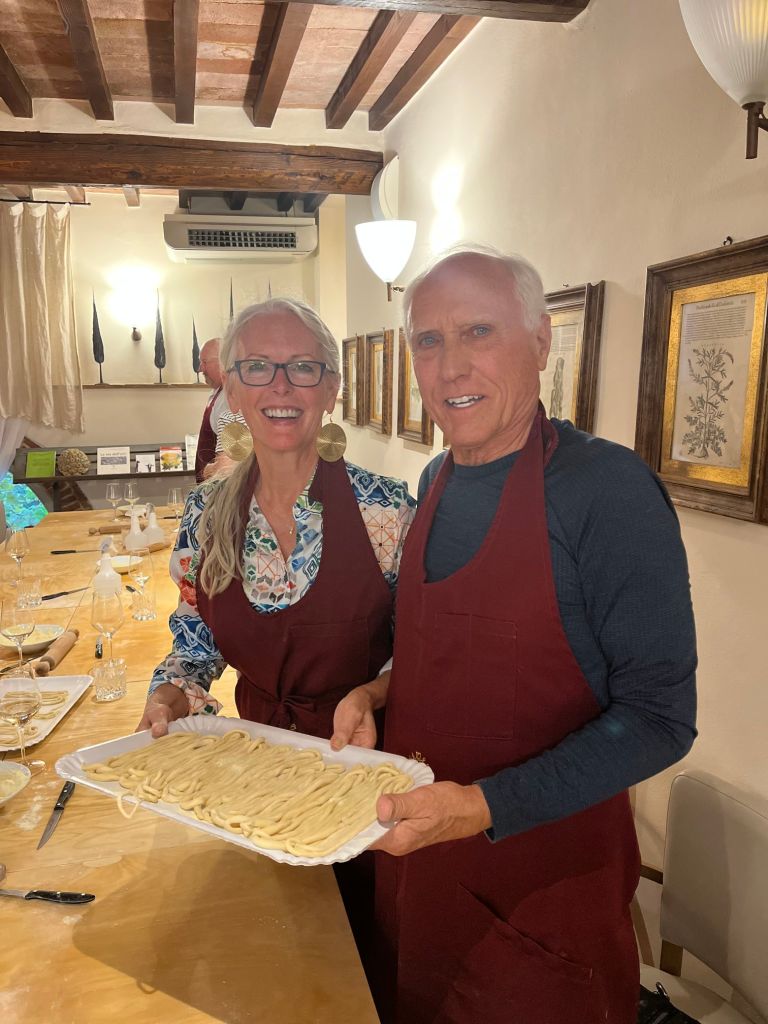
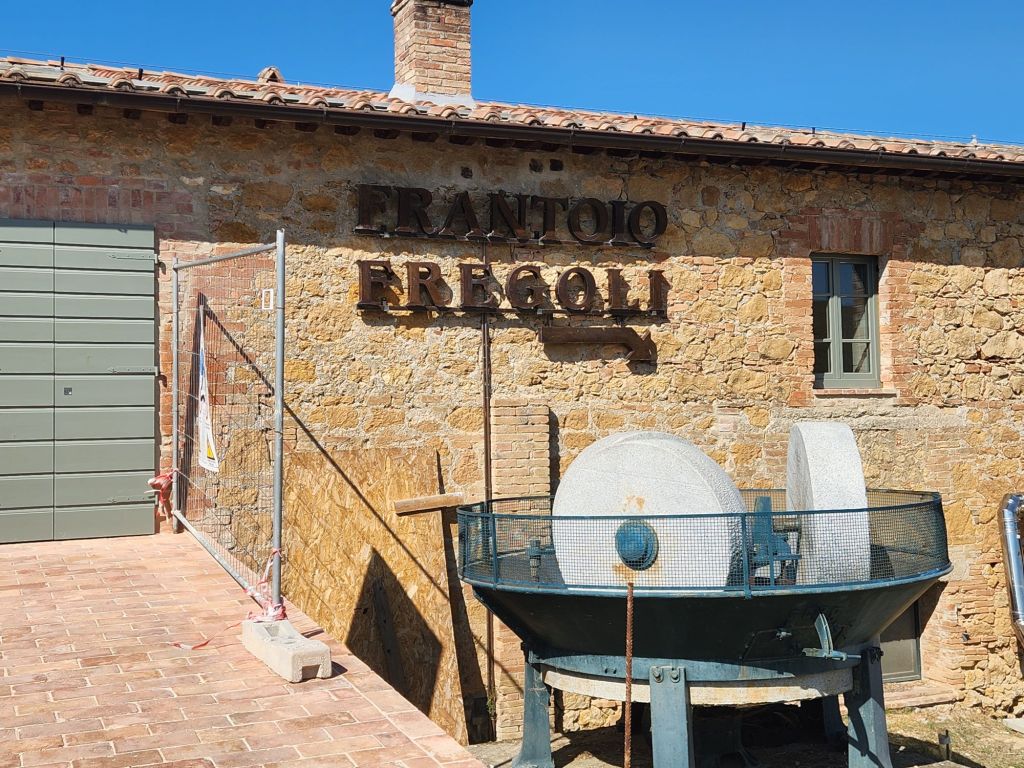
Isabella taught a pici pasta making class which was not only fun but delicious after they prepared three different types of sauces to top the pasta that we made. We learned so much about the local life and that different areas of Italy are know for its local pasta or dishes. Pici pasta is hand-rolled into strands with a chewy, dense texture. Another day we toured her family’s Romitorio at the site of a retreat for nearby hermits from hundreds of years ago. Currently anthropologists are working and discovering mysterious figures such as a 2-legged mermaid, a face similar to the shroud of Turin and paintings. It will be interesting to follow the findings in the upcoming years. I highly recommend reading this article if you are interested in the history of this historic cave. https://www.italymagazine.com/dual-language/secret-pienza-hermits-cave#blocktabs-dual_language_article-1
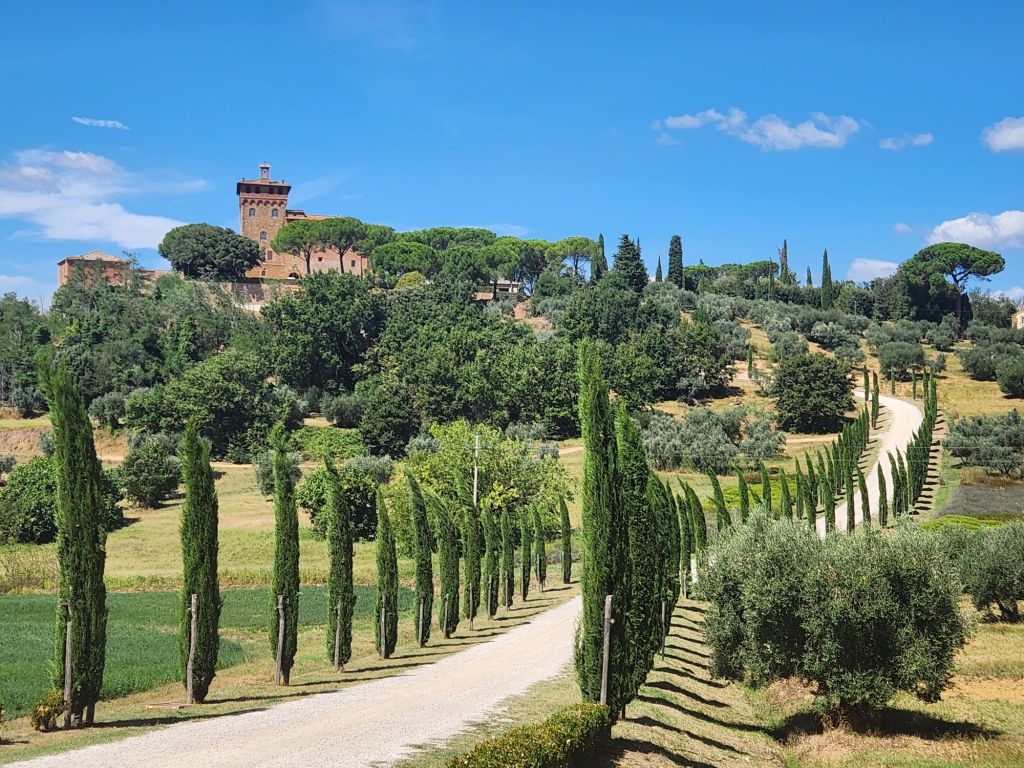
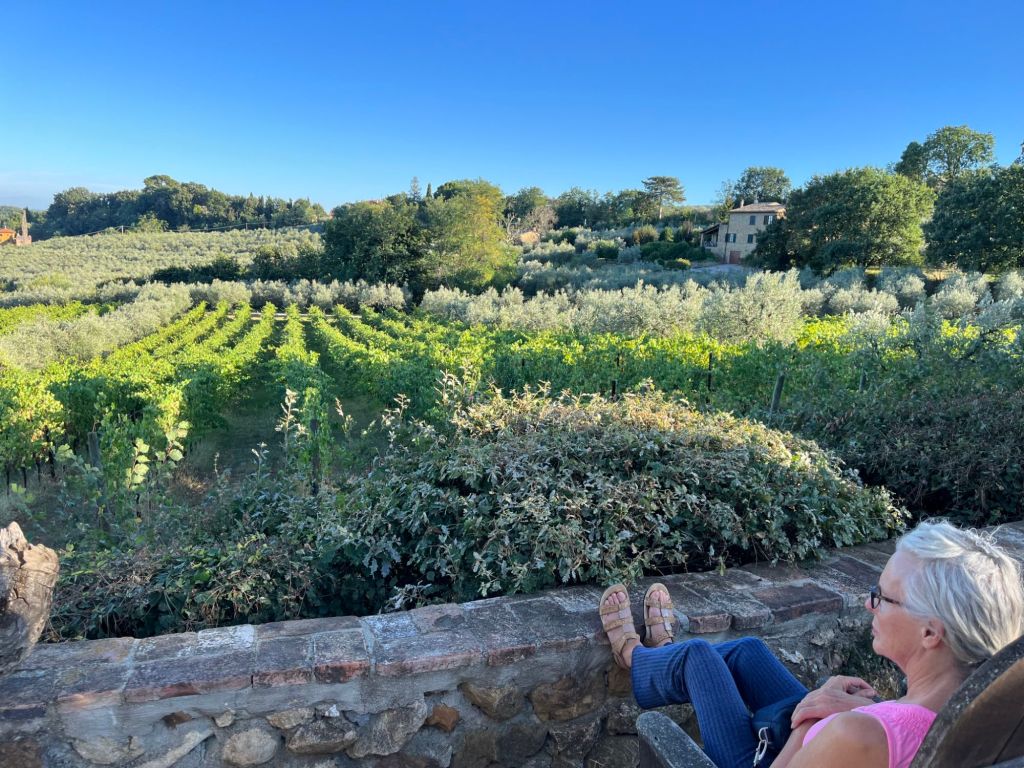
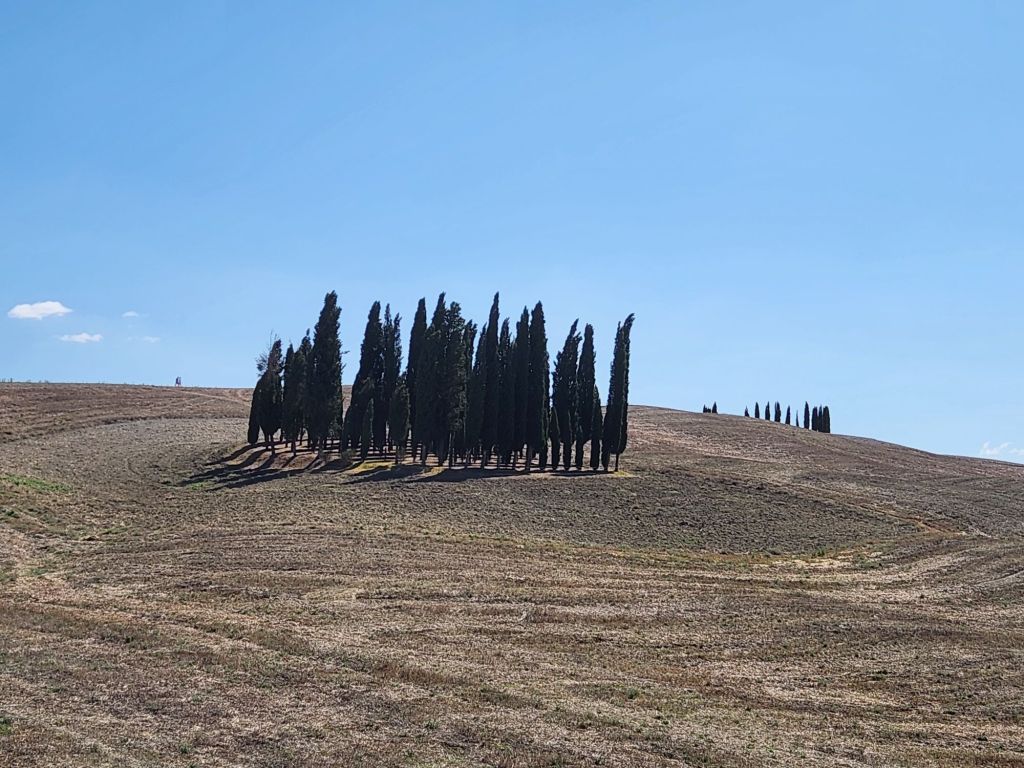
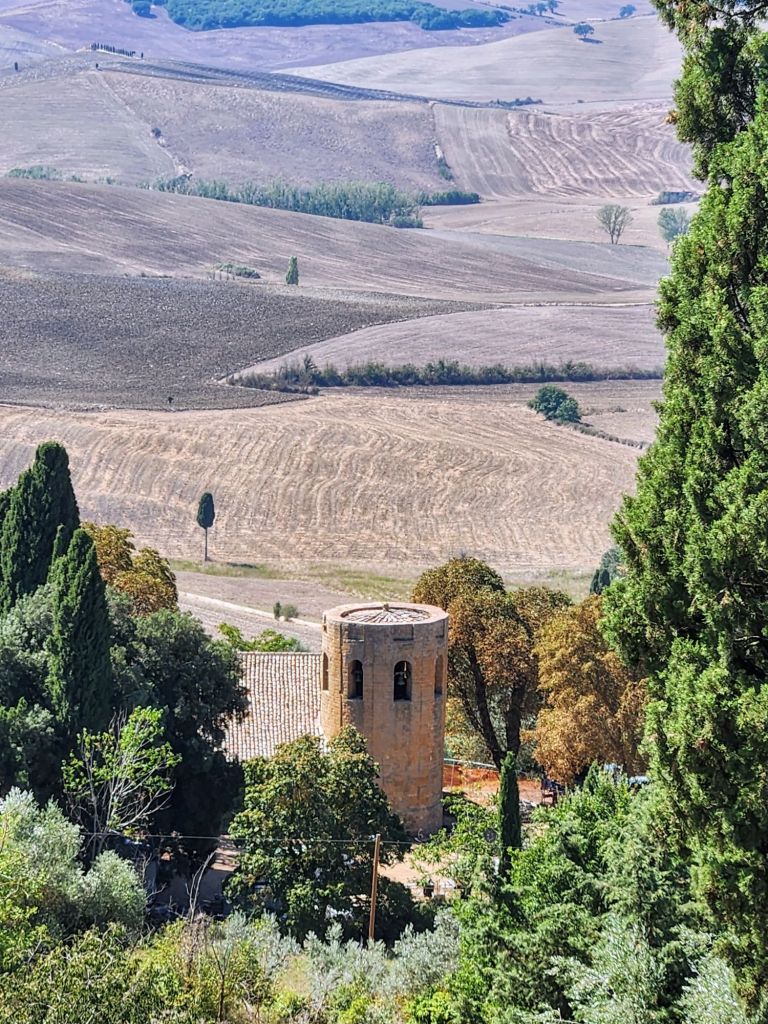
One of the best things about Tuscany was simply the views of the rolling hills which are constantly changing. The fields of olive trees, vineyards, are dotted between field of different colors of tilled soil. The depth of the soil is determined by what is to be planted there such as fava beans, clover and wheat, resulting in the different shades of dirt. The tradition of farming creates a peaceful and simple way life in Tuscany in which we relished. Tuscany was my third favorite place of the trip.
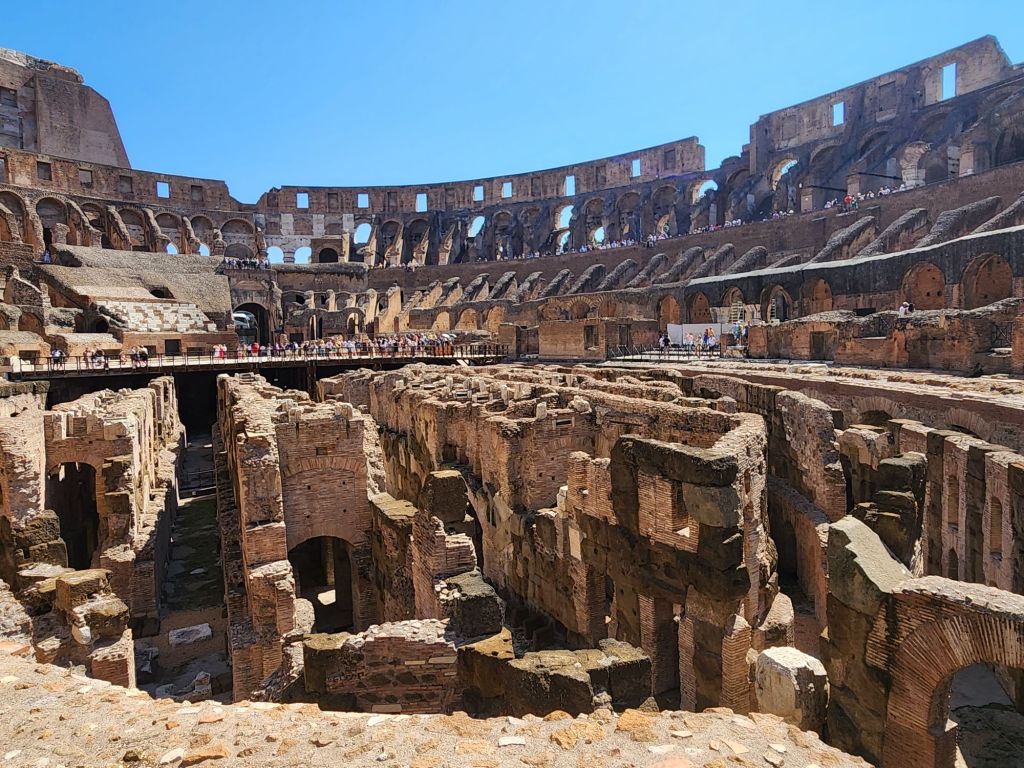
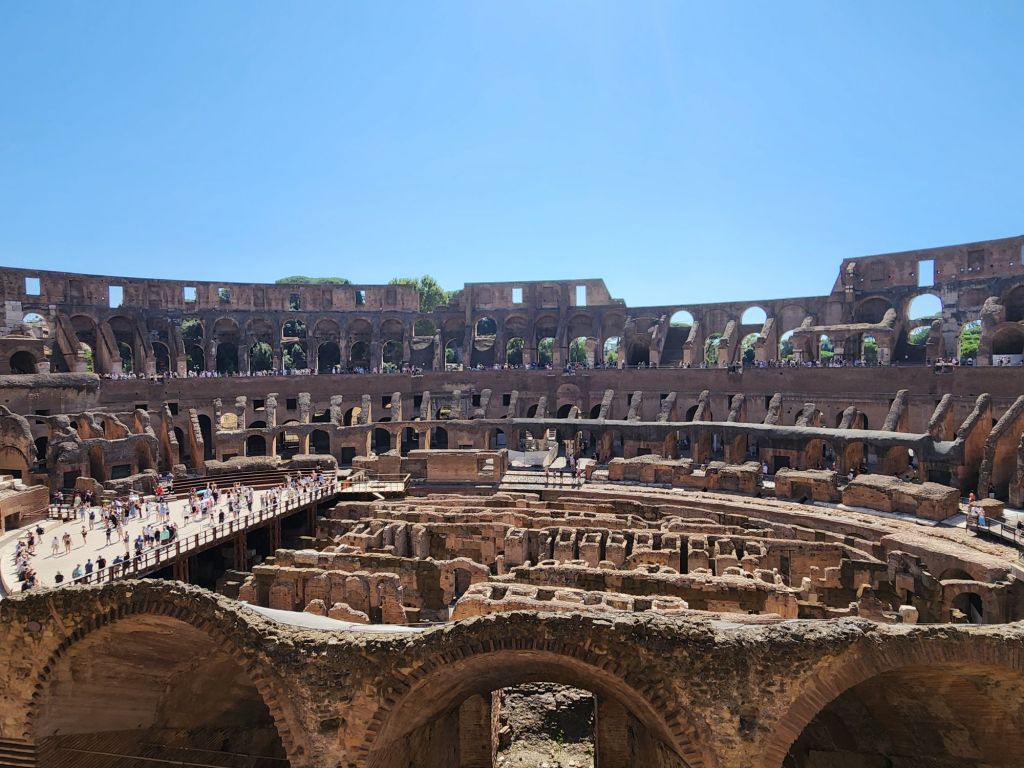
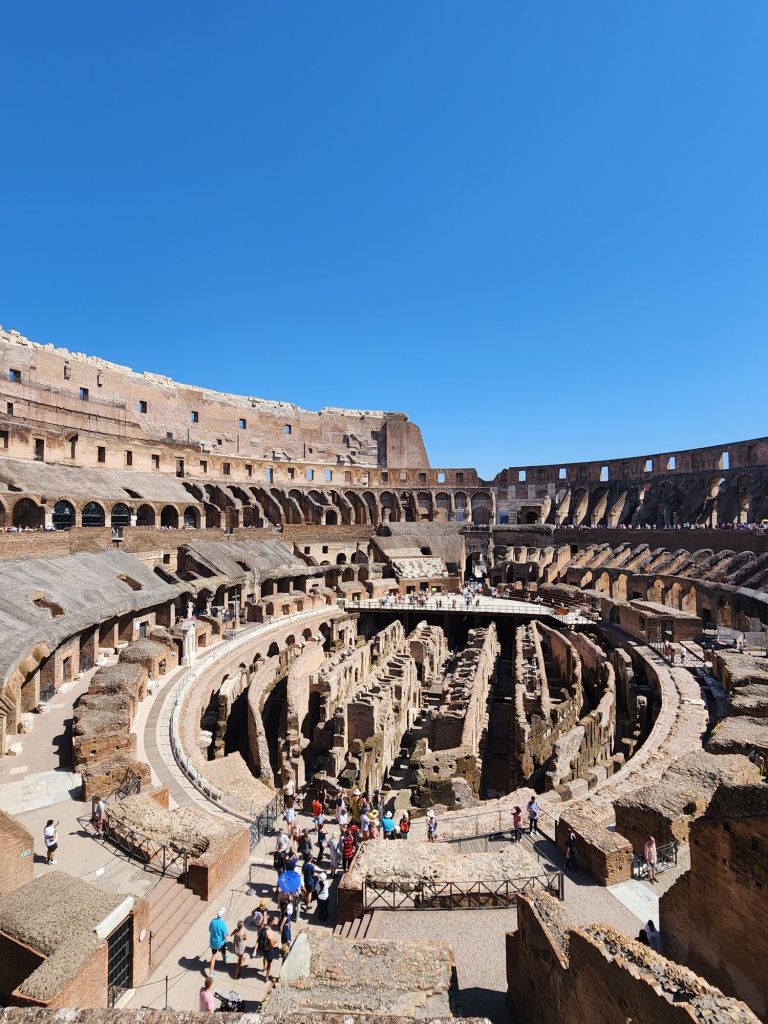
From Orvieto where we dropped off the car and took the train to the very busy, very dirty, and very smokey Rome. First stop was the Colosseum, one of Scott’s highlights of the trip. As an engineer he was overwhelmed by the structure; it was only stone with no metals involved. Many arches required incredible precision to fit the pieces together and to this day they continue to support everything above. Below the arena floor were endless passages which managed the water flow for the naval battle demonstrations. Elevators were used to lift animals from cages below. Everything about the Colosseum was an engineering marvel according to Scott. Completed in 80 AD it is still the largest standing ampitheaters in the world. We toured all the levels and were guided by an archaelogist where we learned about the decimation of thousands of exotic animals. The Atlantic explains it well: “In fact, over the course of the early Roman Empire, animal shows reached staggering new scales. In his autobiographical Res Gestae, Augustus claims that he had 3500 African animals killed in 26 venationes over the course of his reign. The better part of a century later, the emperor Titus inaugurated the Colosseum with a hundred days of spectacle in which 5000 wild beasts were killed. And in public games held from 108 to 109 C.E., the emperor Trajan arranged for 11,000 animals to fight in the arena.” The Great Auk, the European Wild Horse, the Aurochs and the Eurasian Lynx all went extinct from the massive killings. This was heartbreaking to us.
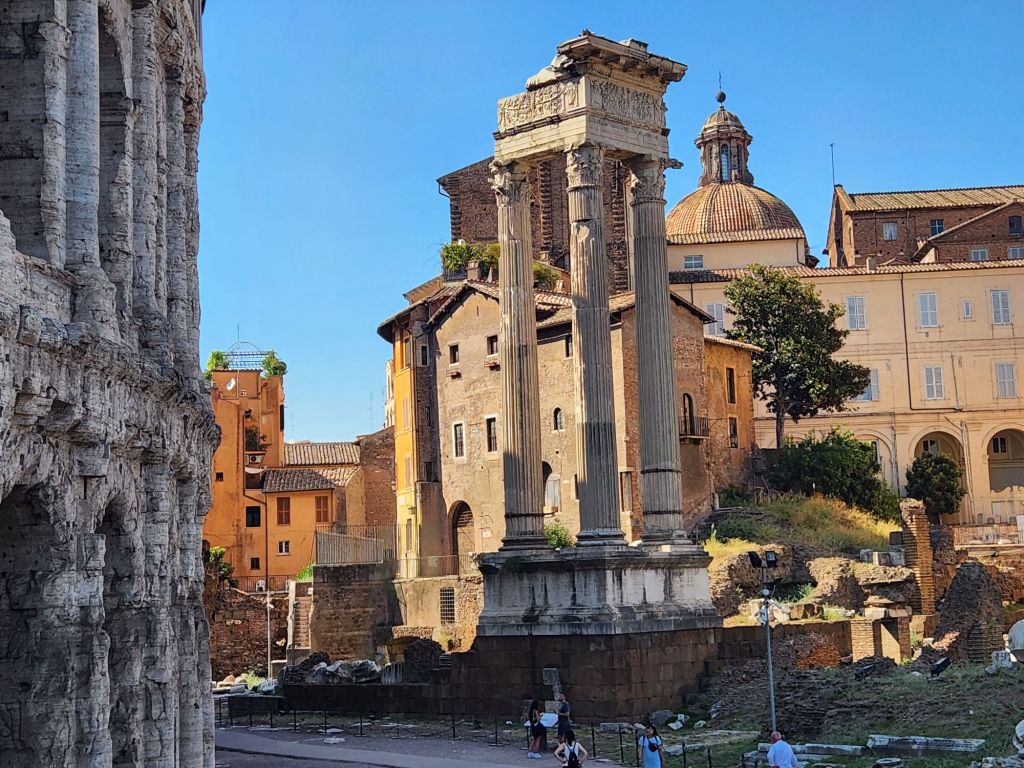
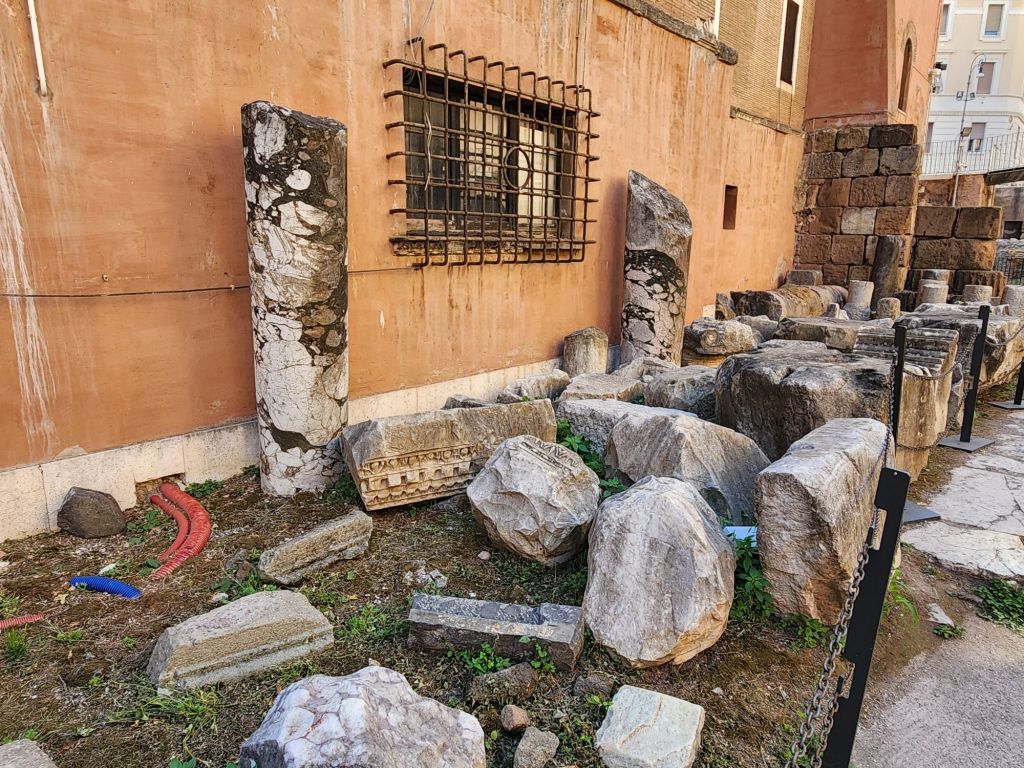
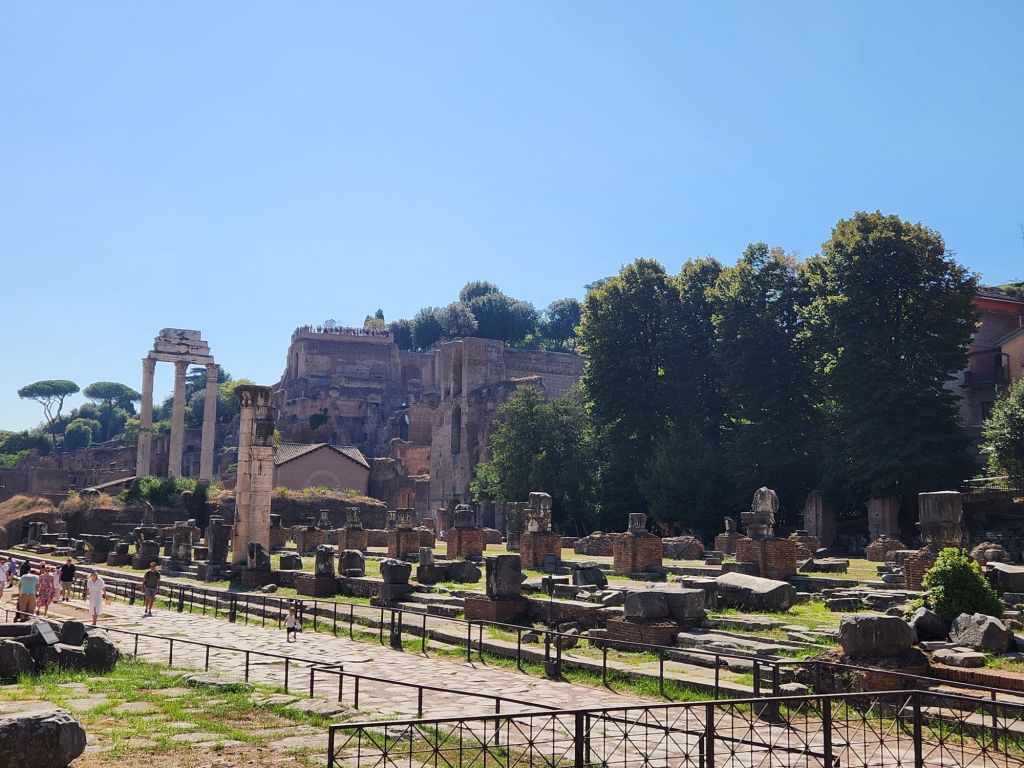
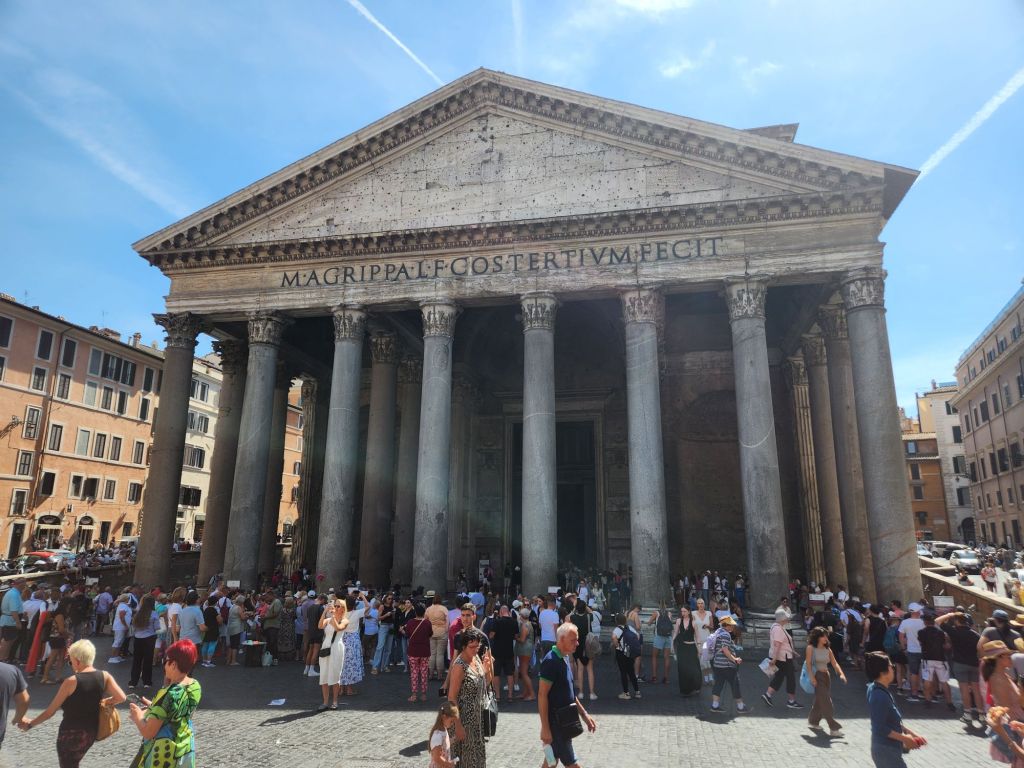
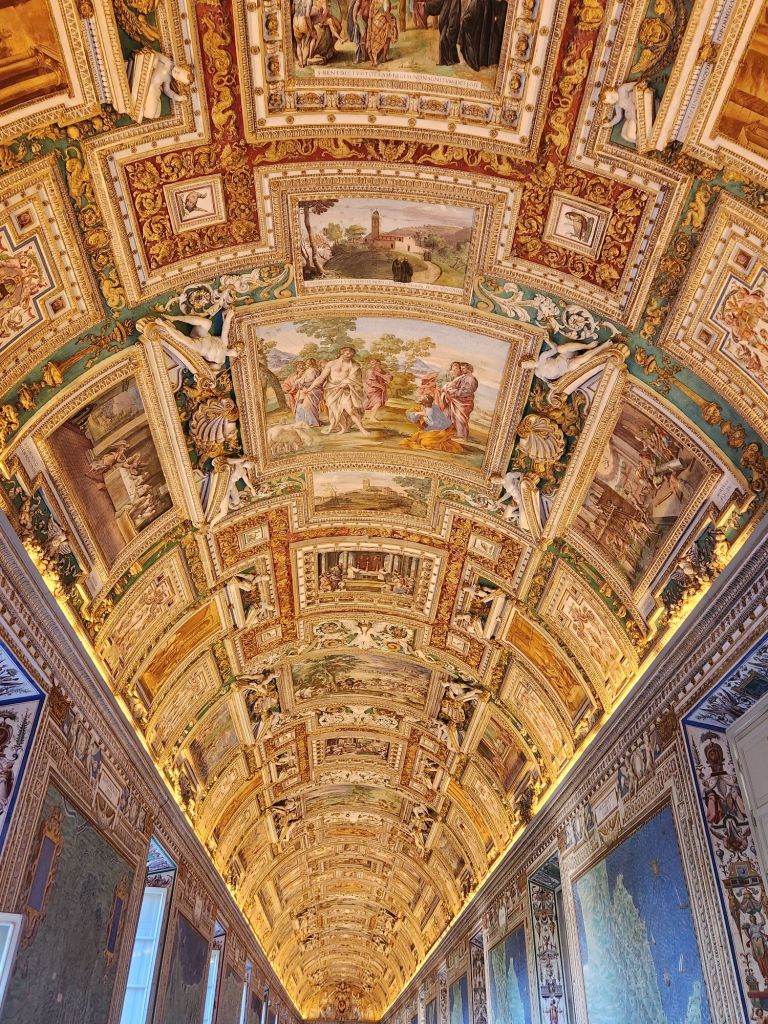
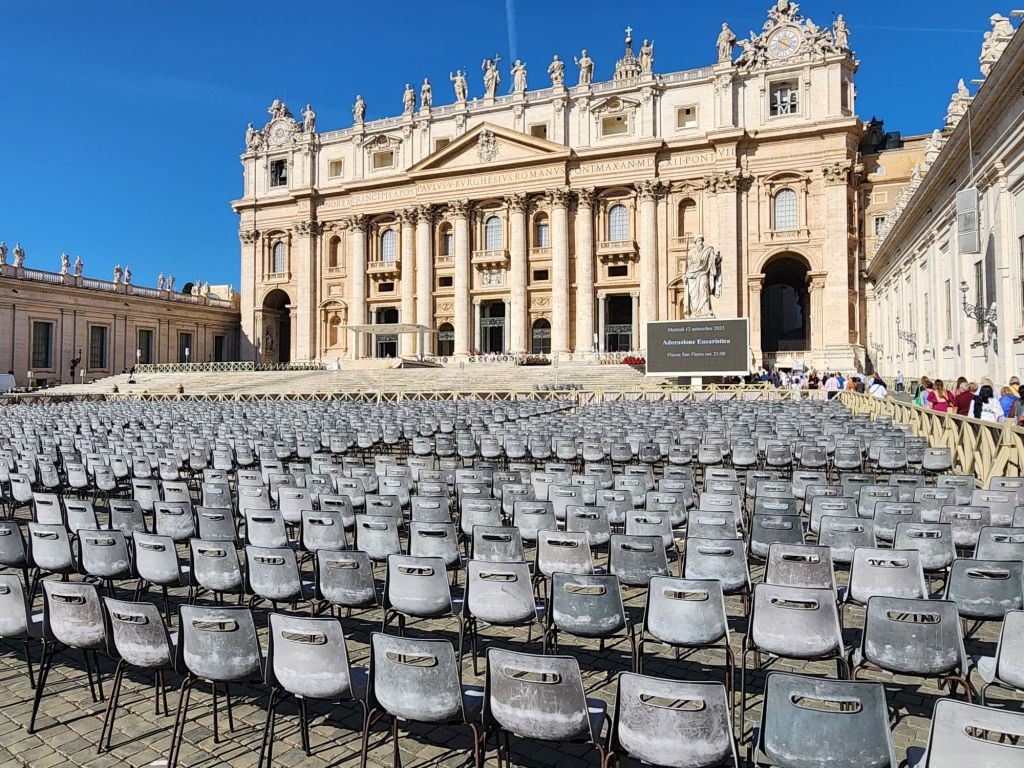
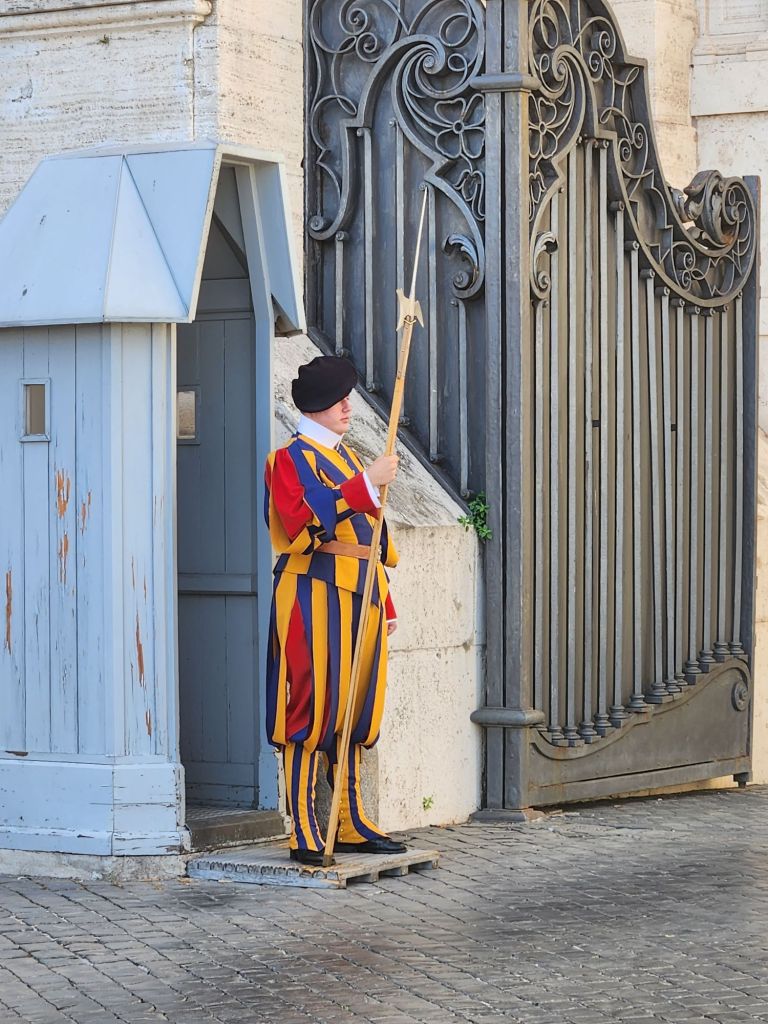
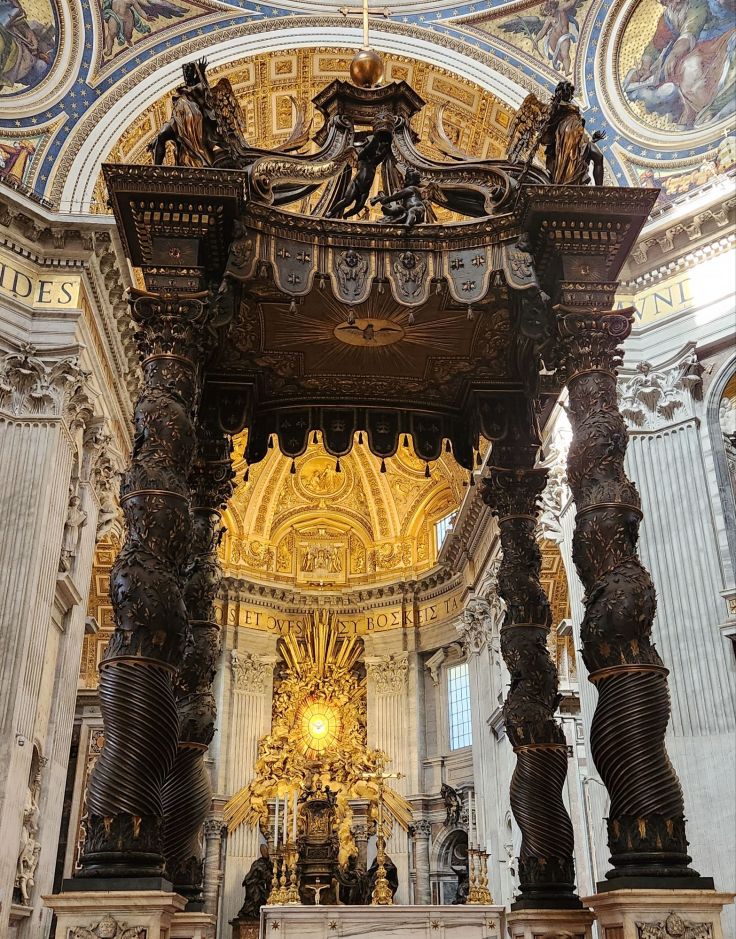
Ruins, ruins, everywhere! Take a stroll anywhere and you will pass by centuries old ruins, often attached to a newer building. Walking the streets of Rome at night was my favorite time to people watch in the narrow streets filled with heavy smokers. Day time tours included the Forum and Pantheon and the Pristine Sistine which began at 7:15 am! One has to get up really early to enjoy a short time in a less crowded St. Peters Basilica. Obviously Vatican City is famous for its art work, including Bernini’s sculpture of the baldachin, the ceiling of the Sistine Chapel, The Pietà, and other great works by Raphael, Da Vinci, Michelangelo. But, who knew there was a museum of works from artists such as Matisse, Dalí, Bacon, Chagall and Van Gogh? The wealth displayed in this tiny country in the art work alone was staggering. In our limited allotted amount of time in the Sistine Chapel I was quite disappointed in myself. I fully expected to experience great emotion from both the religious and artistic aspect but I was left cold and I’m not sure why. I must admit that the Mona Lisa felt the same way to me.
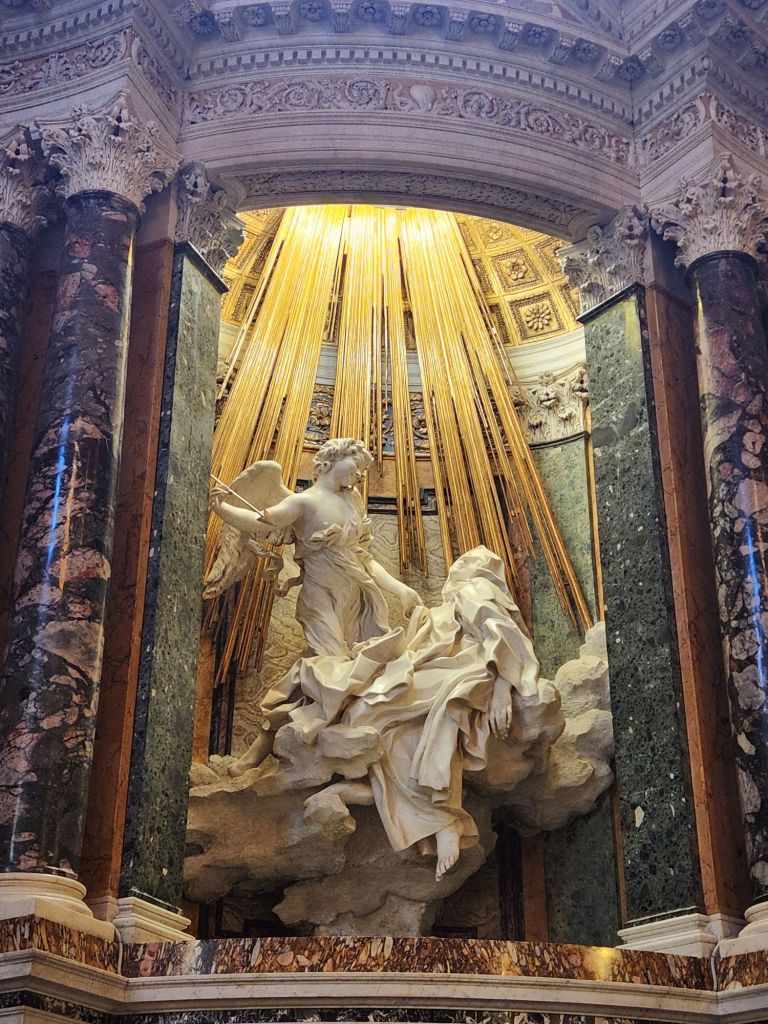
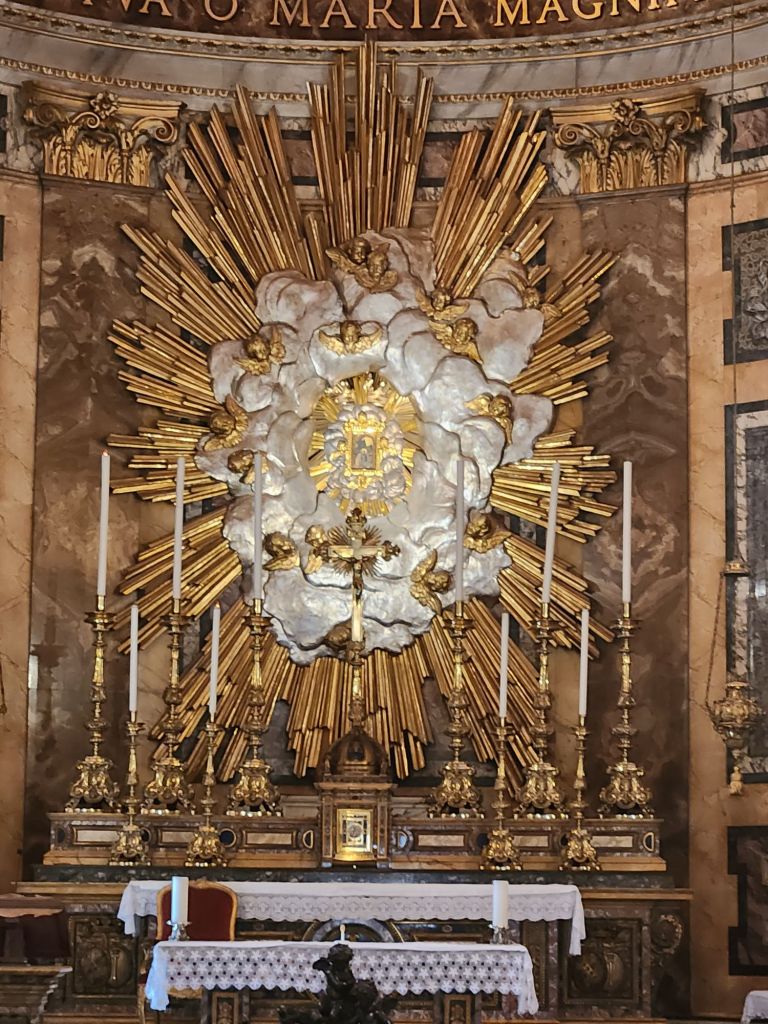
We explored the Piazza Navona, Trastavere (With a Rick Steves audio guide), and the Jewish Quarter pausing for gelato on a regular basis, and I don’t even care for ice cream! On our last day I felt that I absolutely must see the Ecstasy of St. Theresa at the Church of Santa Maria Della Vittoria and the Trevi Fountain in route. The dramatic, light-filled Ecstasy of Saint Theresa did not disappoint. Bernini’s interpretation is considered inappropriate erotic to some art historians. My appreciation for sculpture, especially in marble, has increased ten fold!
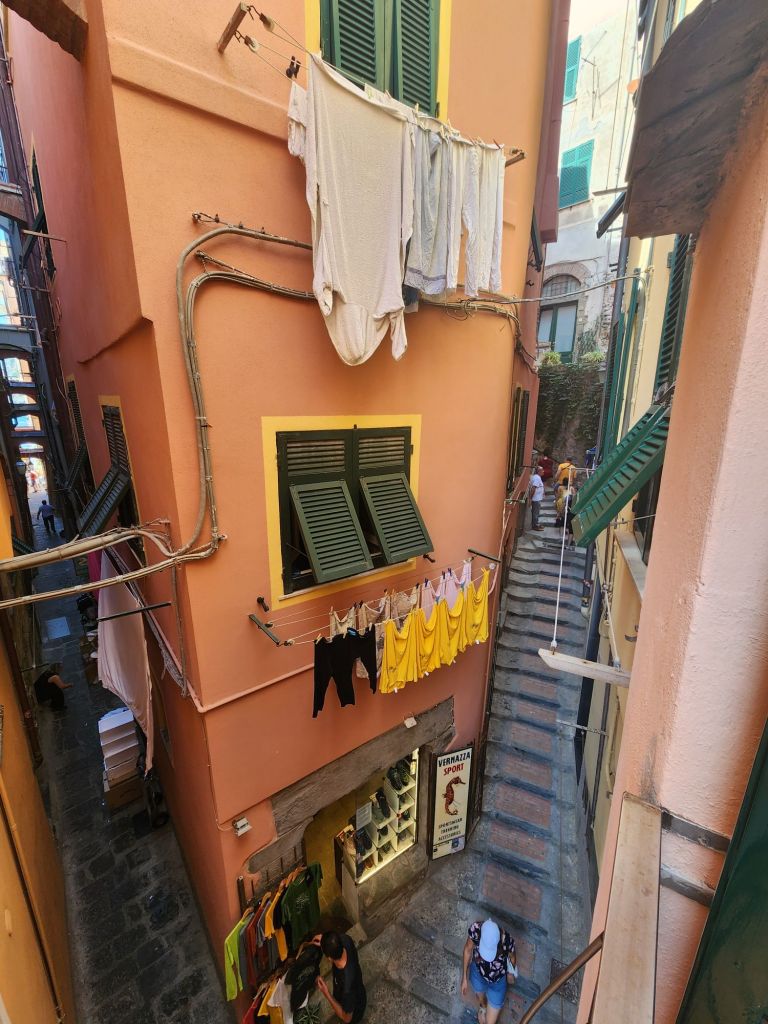
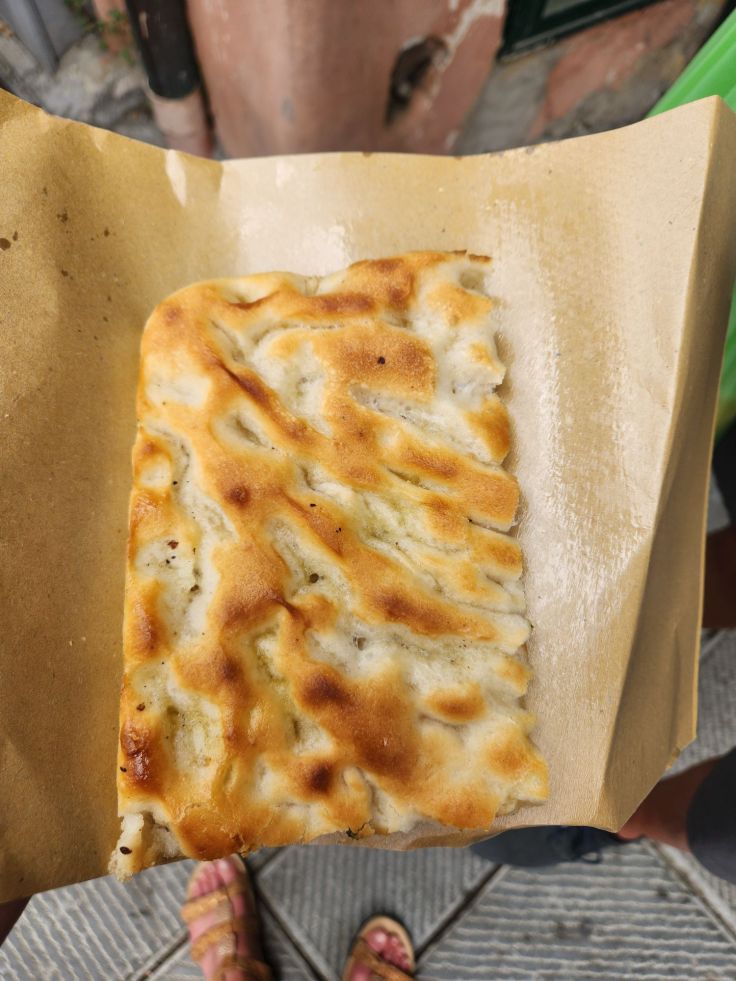
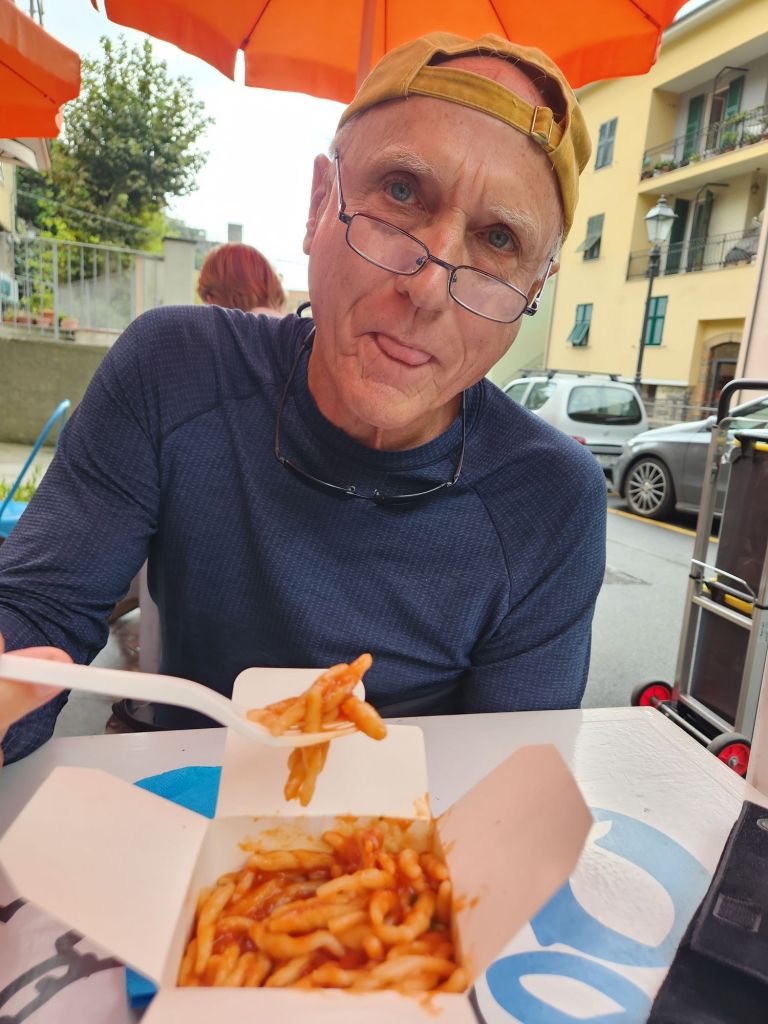
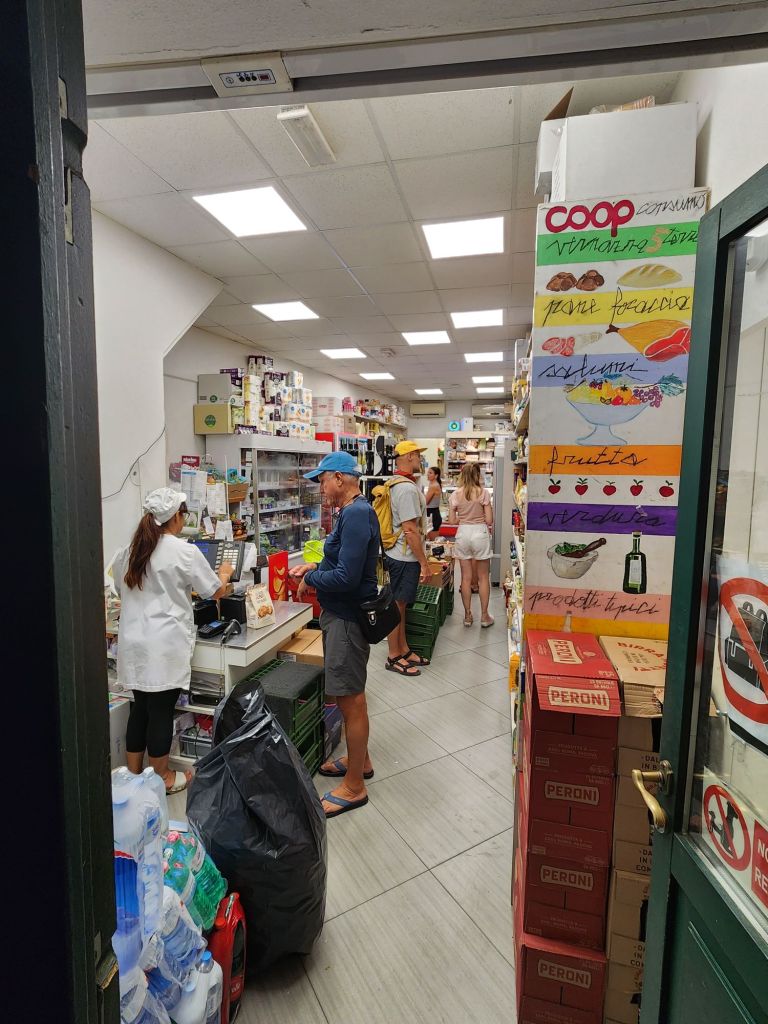
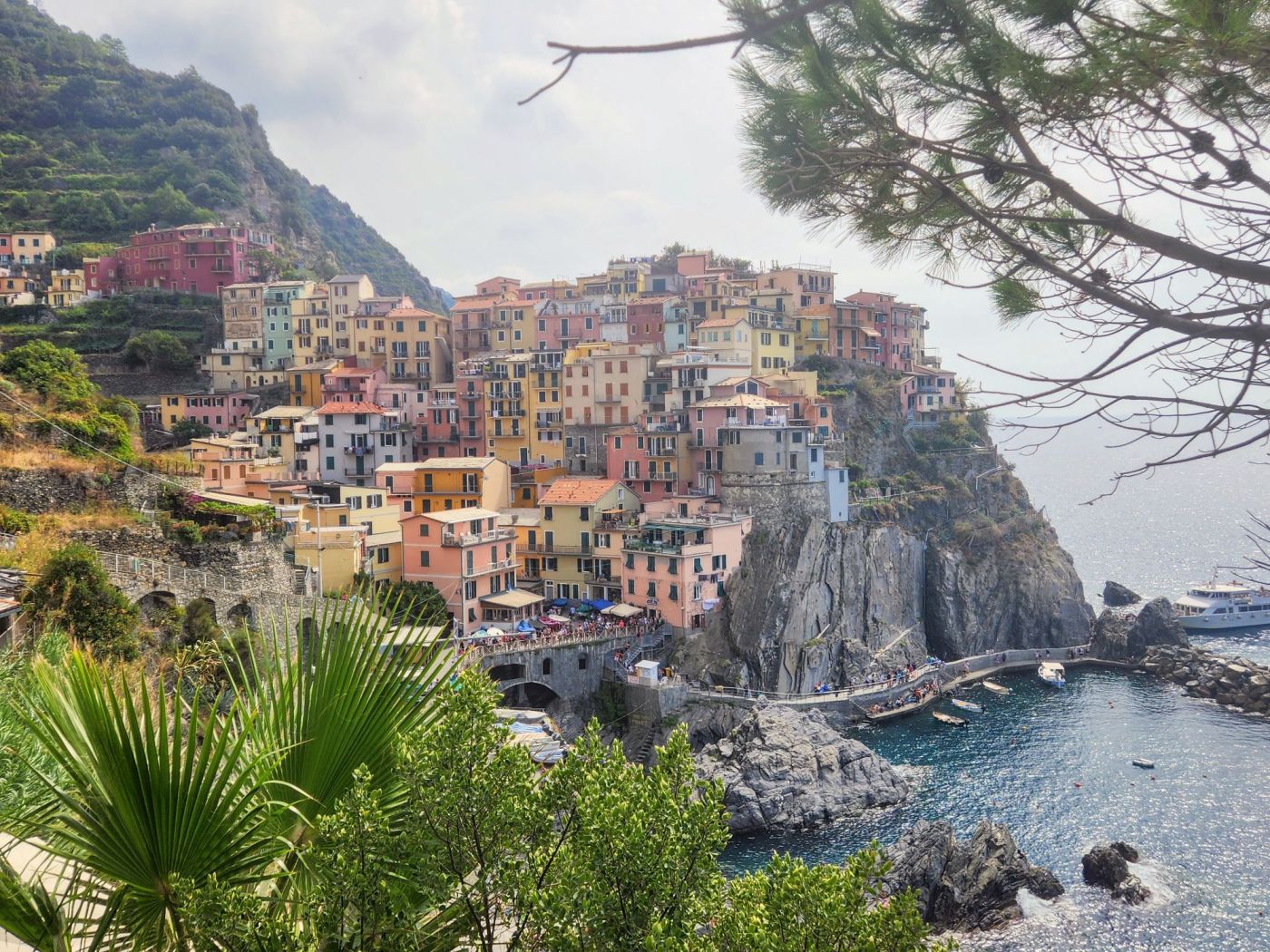
Cinque Terre, our last 5-night Italian stop was highlighted by lots of torfie (their local made pasta), and glorious, warm, soft focaccia whose delightful aroma woke me every morning as it wafted up from the bakery below our apartment. Everyone seemed to be drinking Aperol spritzes throughout Europe, including in the mornings on the trains! Bitter orange did not appeal to me so I tried the limoncello spritz which was very refreshing on a warm day overlooking the Ligurian Sea. Besides eating a lot we also hiked the trail that began outside our apartment in Vernazza and went 2.3 mi to Monterosso. I believe there was only about 10 ft of path that was flat and the rest of the way was straight up hill or straight down hill!
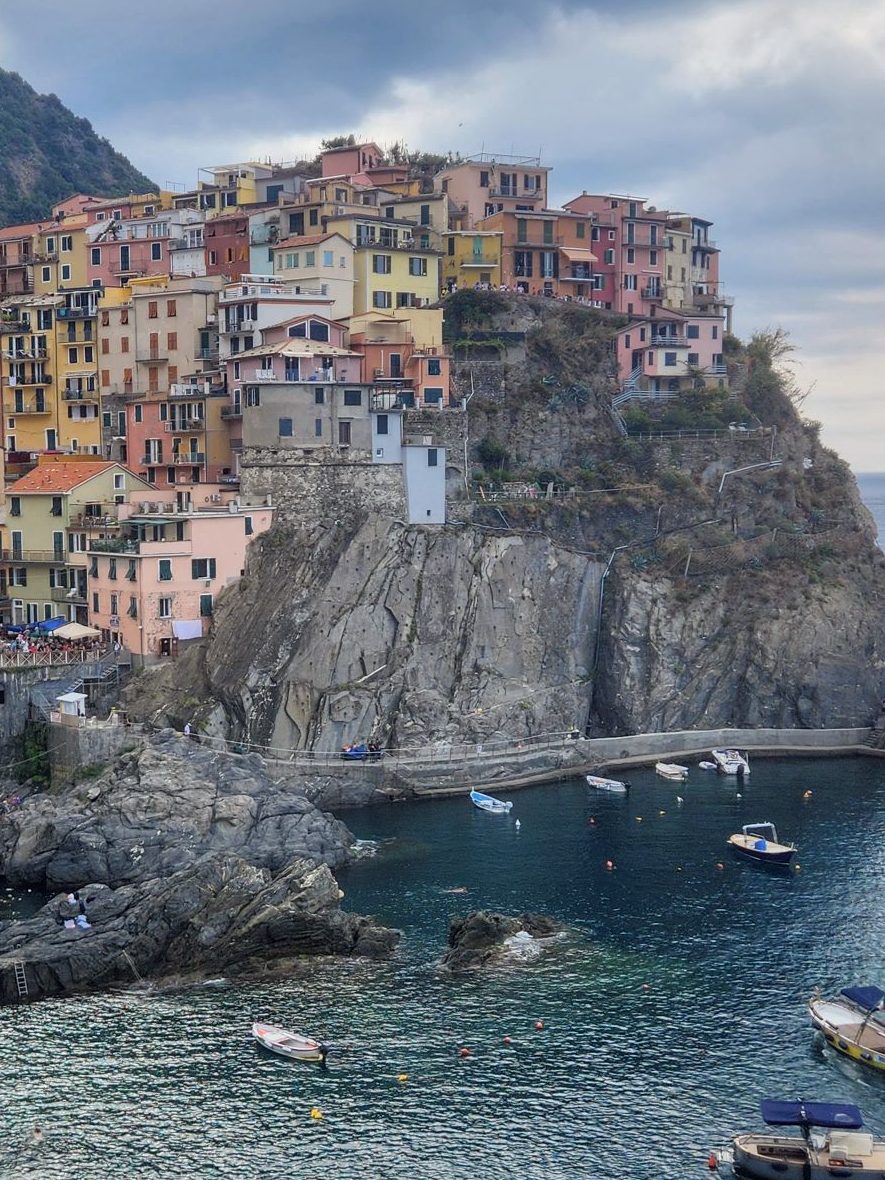

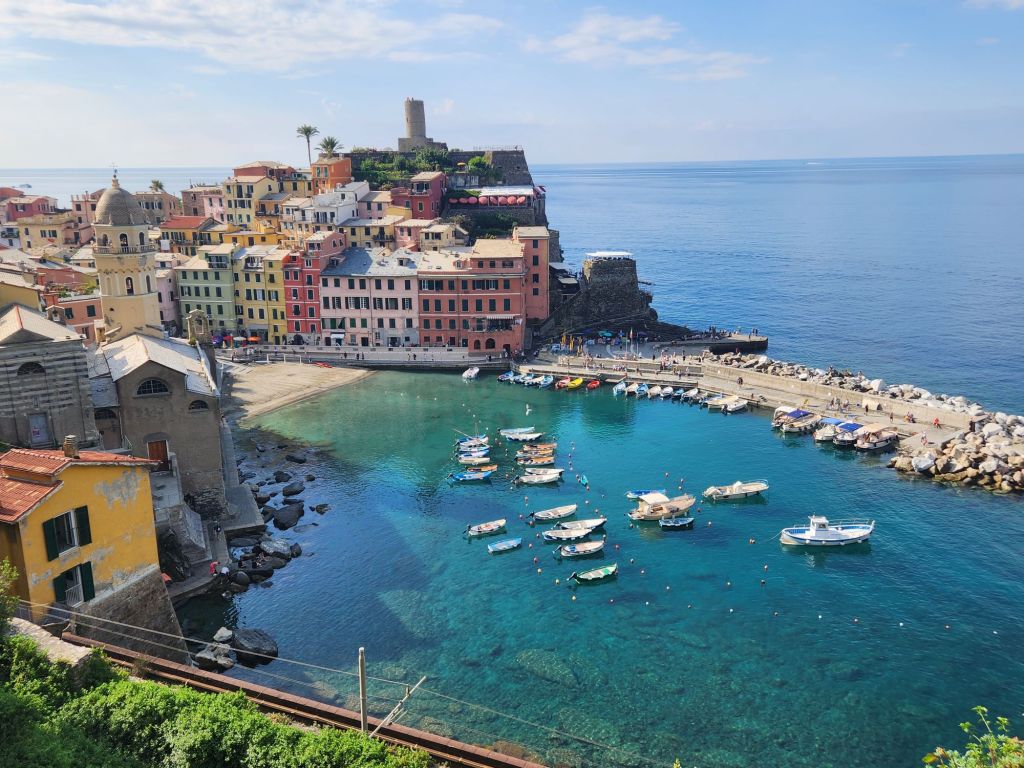

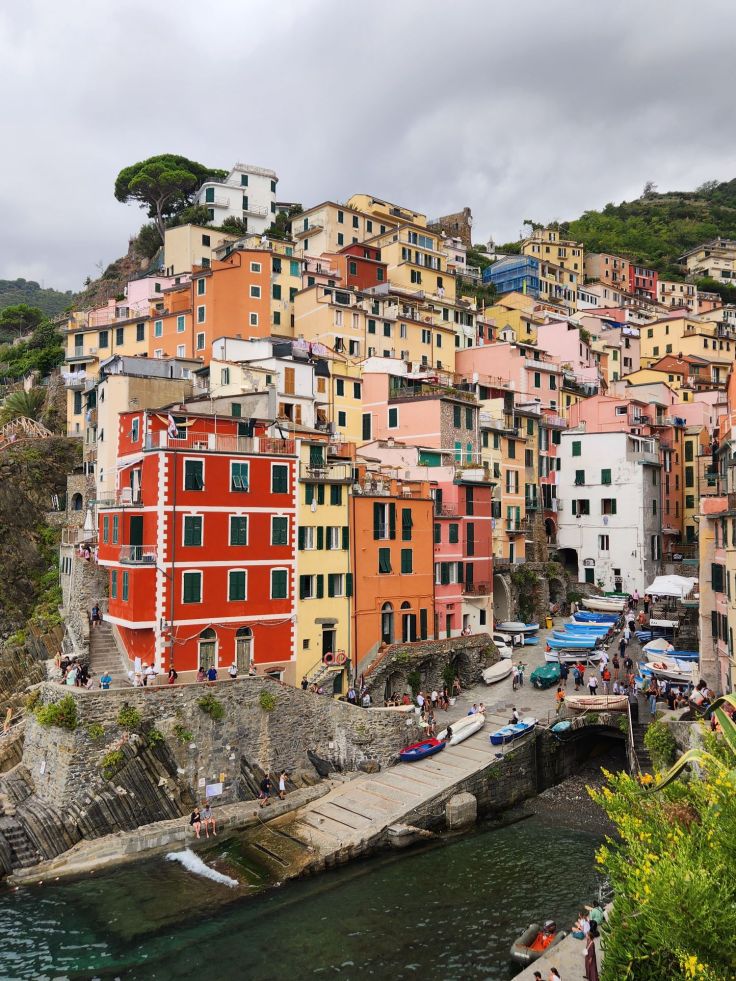
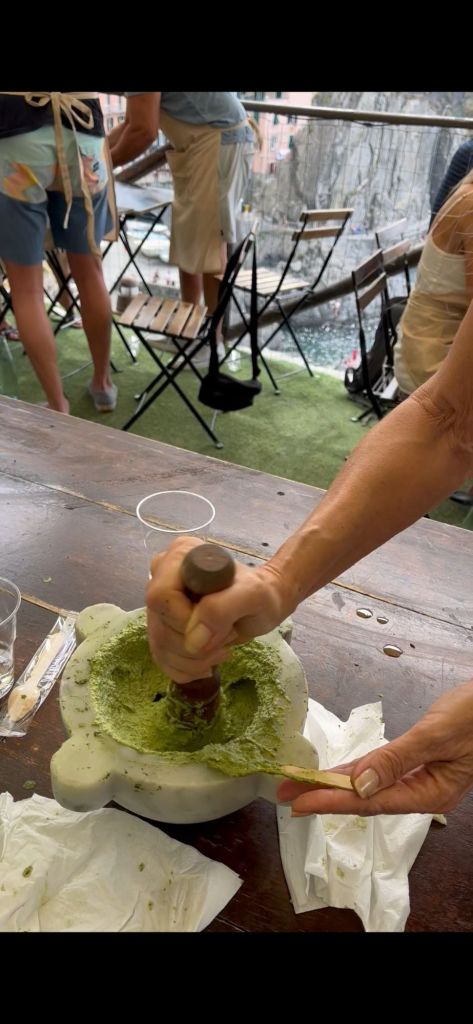
The UNESCO Worlds Heritage Site of the “five lands” of Cinque Terre consists of colorful villages that were packed with tourists from cruise ships from 11-5. Prior to the advent of trains they were isolated between the water and the Maritime Alps and cars were banned years ago. It is now so easy to catch a quick train from town to town to see not only the picturesque town but also the terraces above them with vineyards, vegetables, basil and other fruit trees. In fact, pesto originated in this area and our pesto making class was a blast; the store bought brands in the USA do not compare in flavor. We learned that it was an affront to order a meal without ordering wine and rarely was there something sweet on the menu but we were loving everything from the cornetti to the pasta with pesto and the focaccia. I’m sure we gained 5 pounds during our Italian visit!
Next we continue from the Italian Riviera to the French Riviera and more walled cities. I apologize that this blog is so long but I honestly only included a fraction of our pictures! Thanks for sticking with it and reading to the end!
 Scott and Melissa's "Unforgettable" Adventures
Love your blog, not too long at all! So glad you got to experience so many wonderful places and food and art in Italy (Castelmuzio and Pienza and Isabella included). It made us want to go back (again)! xo Bridget & Mike
LikeLiked by 1 person
Now doesn’t that trip leave you wondering why you go to Florida!!!
LikeLiked by 1 person
For sure! So many wonderful places left to see!
LikeLike
What a wonderful detailed blog, well done, you had so many great experiences
LikeLiked by 1 person
Sounds like you are having a marvelous time! I’m so glad things worked out. And you visited so many places in Italy I have also visited! Cheers!!
LikeLiked by 1 person
Thanks for your Portugal advice! I’m working on that blog now.
LikeLike