
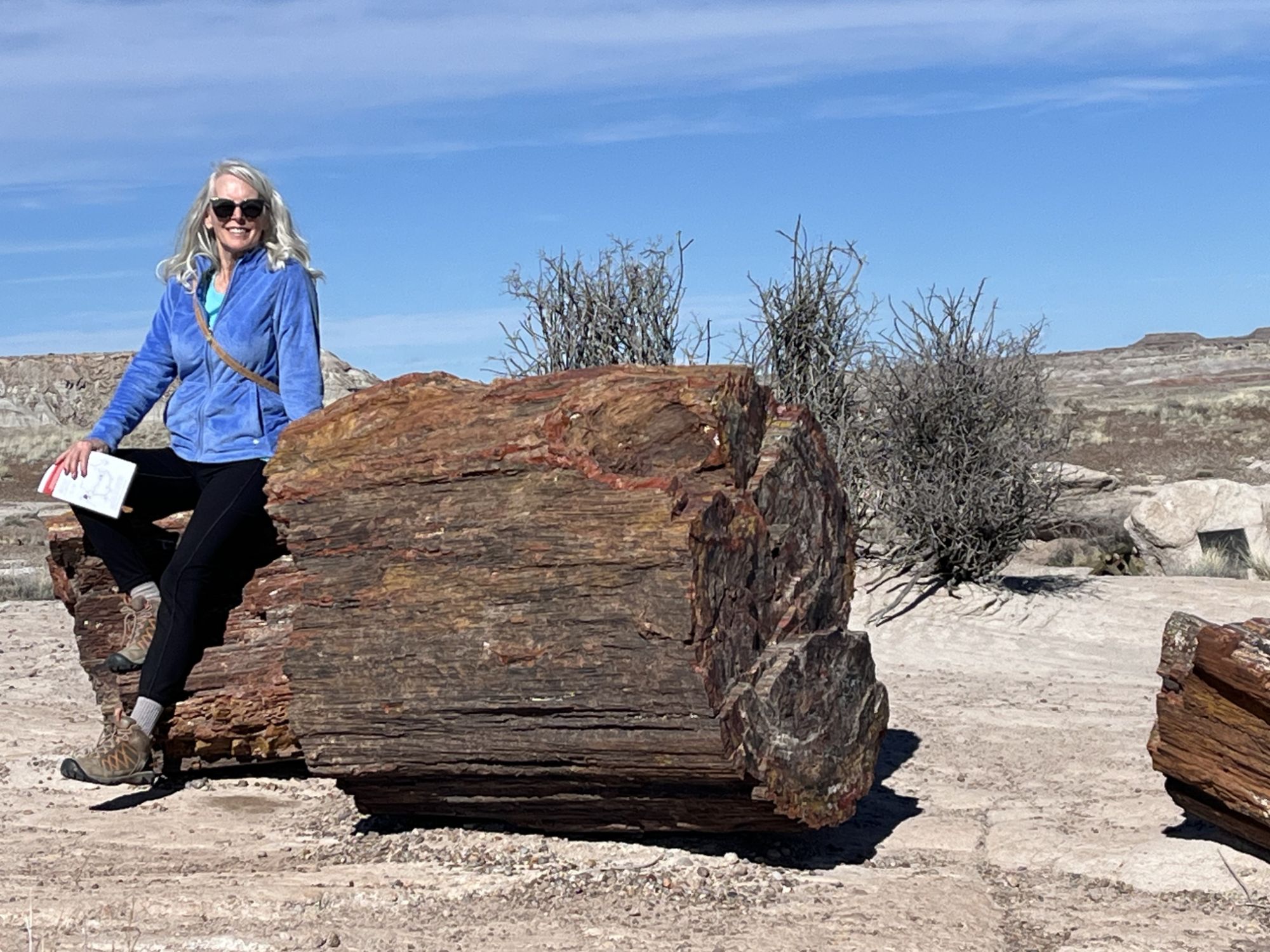

From Pinos Altos, NM, we headed into Arizona to see the Petrified Forest and Painted Desert. Scott had visited these sites as a young child and remembered quite a bit about them. It was interesting learning how the trees had become “petrified” by the minerals in the water and sediment replace the cell walls and look like a cross between a tree and a gemstone. To be honest the Painted Desert was not as colorful as I was expecting. Perhaps a different time of day would have been better as the sun would have produced brighter colors.
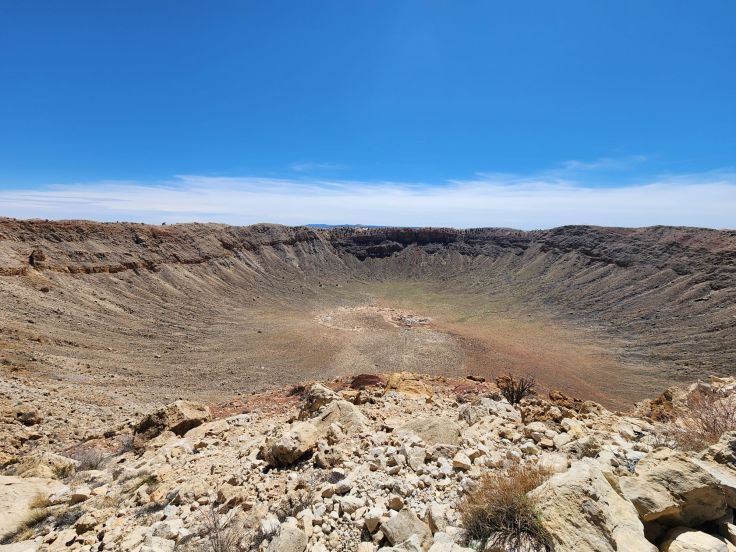
In traveling from place to place on this trip Scott always takes the scenic routes resulting in so much better scenery than the highways. On this day we started on the highway but got distracted by the signs for a Meteor Crater. We explored this 50,000 year old crater by walking along a portion of the rim. The diameter is approximately 3/4 of a mile and the depth is about 600′. Originally it was thought to have been caused by a volcano but later when the right geologist studied it he determined that it was actually from a meteor. The crater is about 40 miles east of Flagstaff. It is supposed to be the best preserved meteor crater in the world.

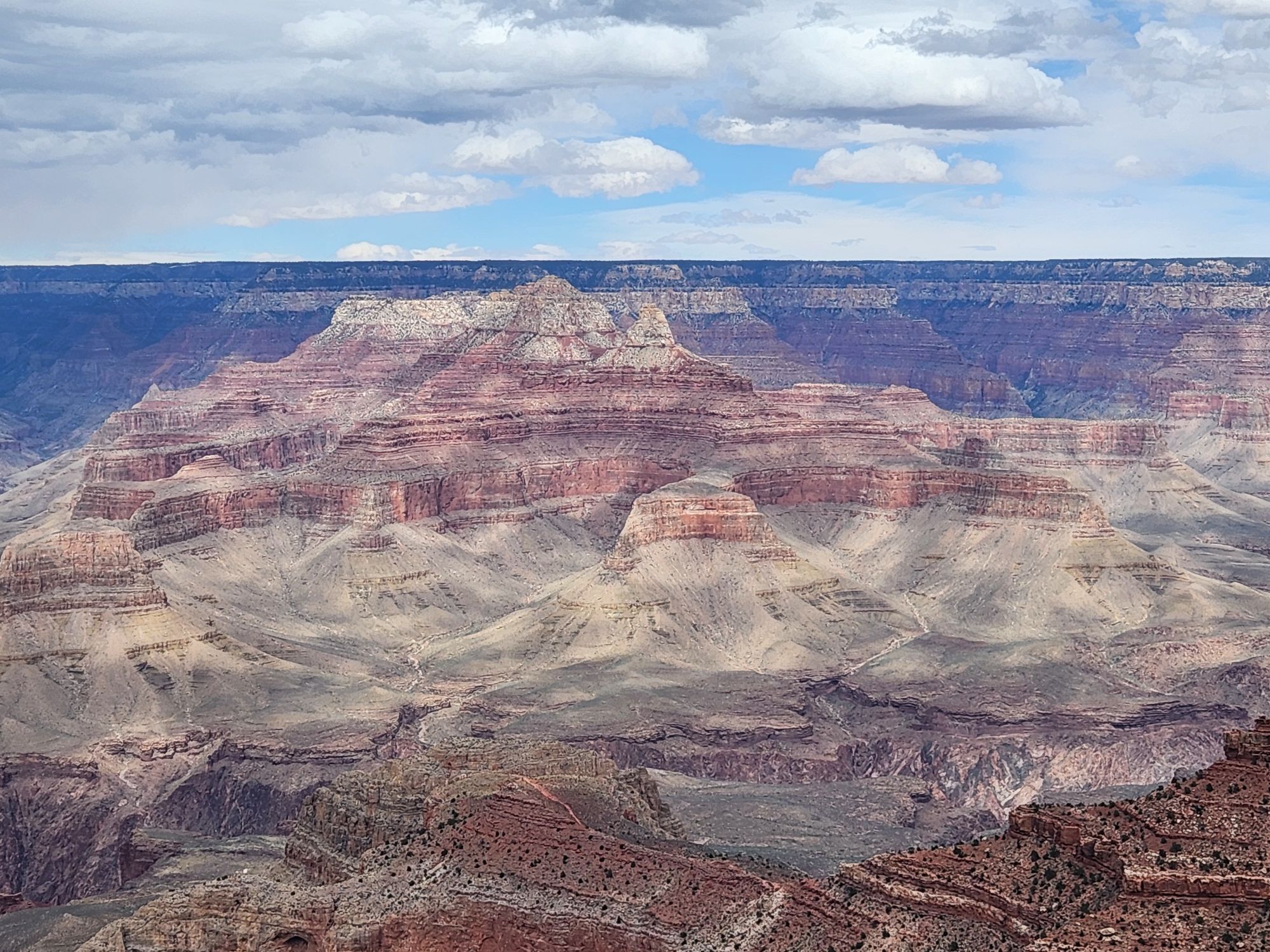

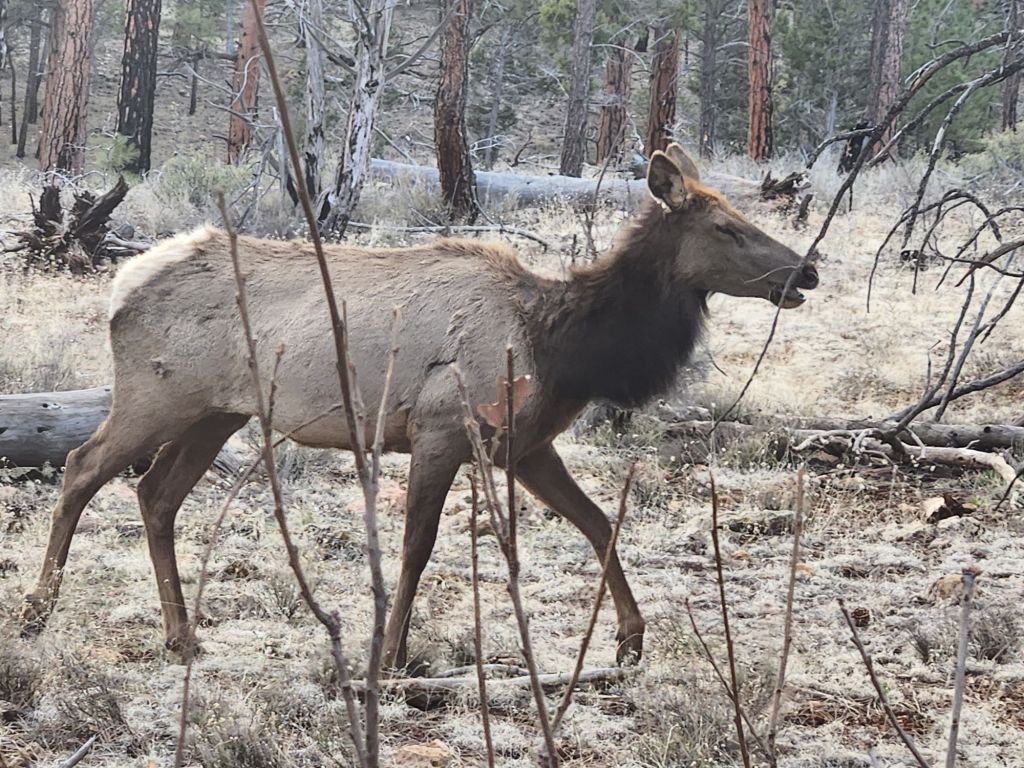

Soon we were on the backroads to the Grand Canyon…wowza! All I can say is ,”Wow!” It is vast, it is other-worldly, it is unfathomable. The depth averages one mile, the width is 10-18 miles, the length is 277 miles…quite impressive! The Grand Canyon is considered one of the seven natural wonders of the World and is a UNESCO site. We stayed 3 nights and walked the rim in several places. Bonus, we saw several gangs of Rocky Mountain Elk and were about 50′ from 3 Mule Deer! They weren’t even phased by us. This park receives 5 million visitors a year and spring break is an extremely busy time of year resulting in some long bathroom lines. Walking along the rim wasn’t exceptionally comfortable as the highs were around 50* and the winds were in the upper 20’s with gusts of 50-55 mph. WHERE IS SPRING???? Pictures don’t even come close to conveying the depth, breadth and beauty of the canyon.

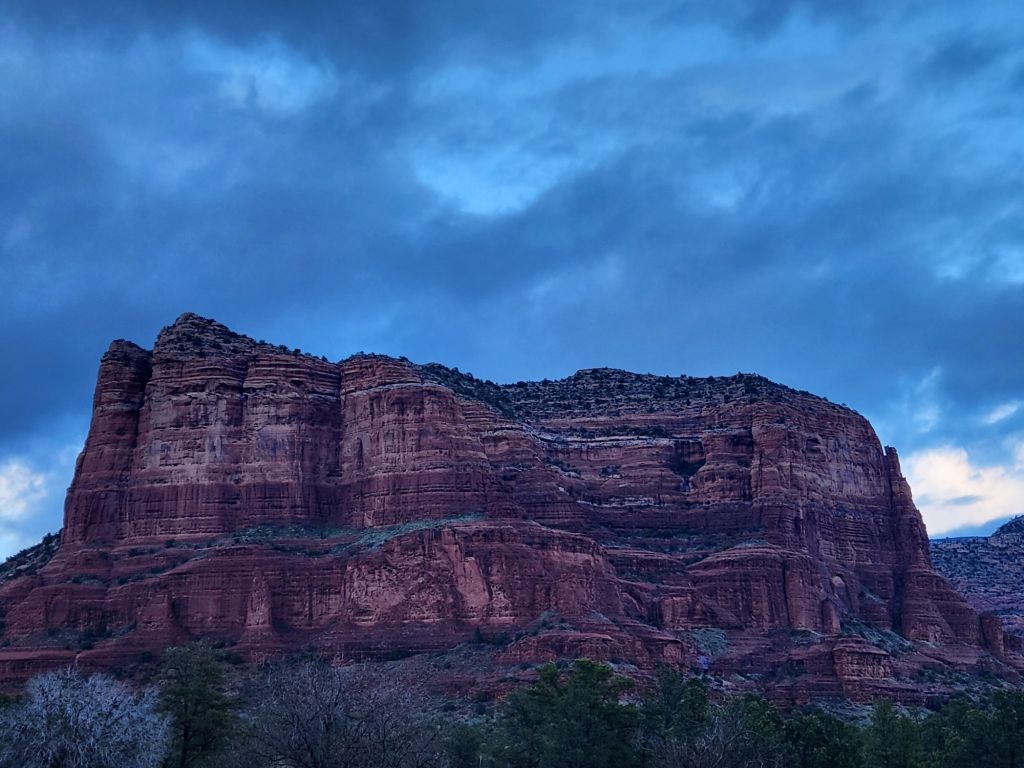
Our final morning at Grand Canyon Village we woke to 6″ of fresh snow and huge snowflakes. The trees were heavy and all was blanketed in white so we were delighted yet relieved that the roads were clear by the time we left. Our scenic drive south through the Coconino National Forest was exceptional with hills and snow-capped mountains en route to Sedona. Since Sedona doesn’t have a national park I had suggested we skip it but I was thrilled that we stayed for two nights. The cold temperatures, drizzle and low clouds covering the tops of the red rock monoliths did not dampen our enthusiasm for the small town. For some odd reason we both felt a connection with the area and admired not only the colorful red rock formations but also the adobe style homes and greenery. Since the weather was awful and Scott had a serious cold we didn’t hike so missed out on exploring the vortexes for which Sedona is famous. I could see a return trip to this scenic community.

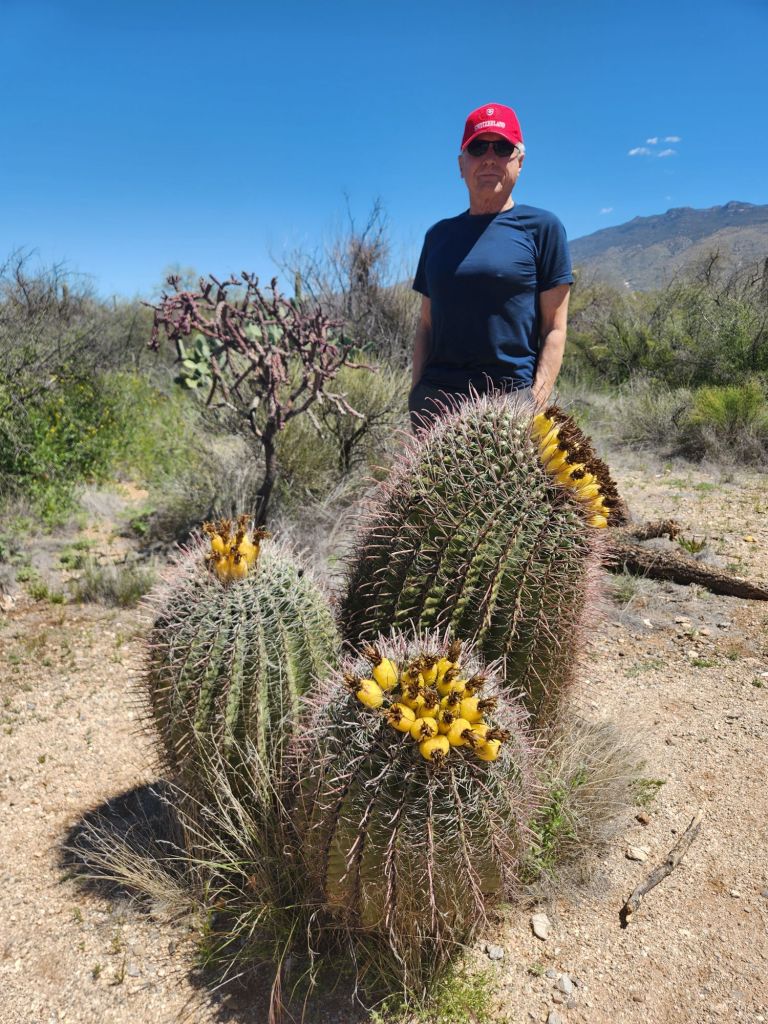
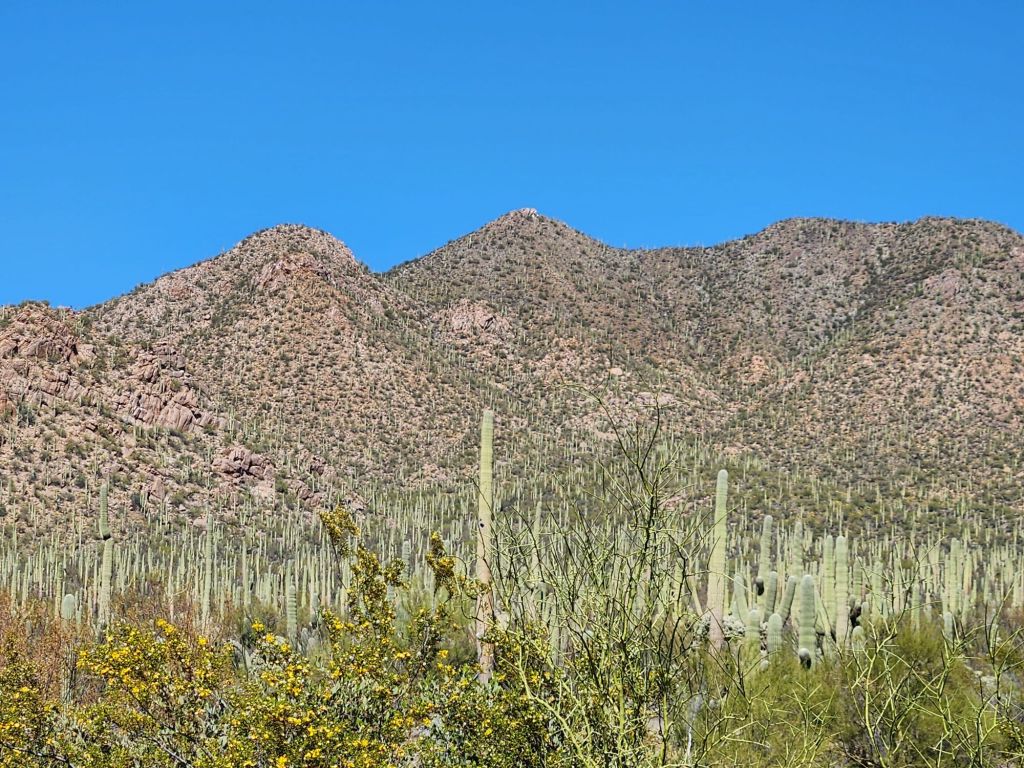
Of course the sun came out the day that we left to go south to Tucson. Our scenic route guided us thru more snowy mountains, by Roosevelt Lake, and to the Picacho State Park. We wanted to see the poppies blooming but were too late. Very shortly the Saguaro Cacti started to dot the landscape. The majestic Saguaro, pronouned sa-WA-ro, are considered to be like people according to the Native Americans from the Sonoran Desert, the only place that they grow. They can grow up to 40′ for 200 years and can weigh 7 tons. Let me share a few more fascinating facts…they are only about 3″ (yes, inches) when they are 10 years old, they first bloom around 35 years old at about 6′, they grow their first arms around 60-75 years old. They are amazing and we couldn’t get enough of them at the Saguaro National Forest East and West.
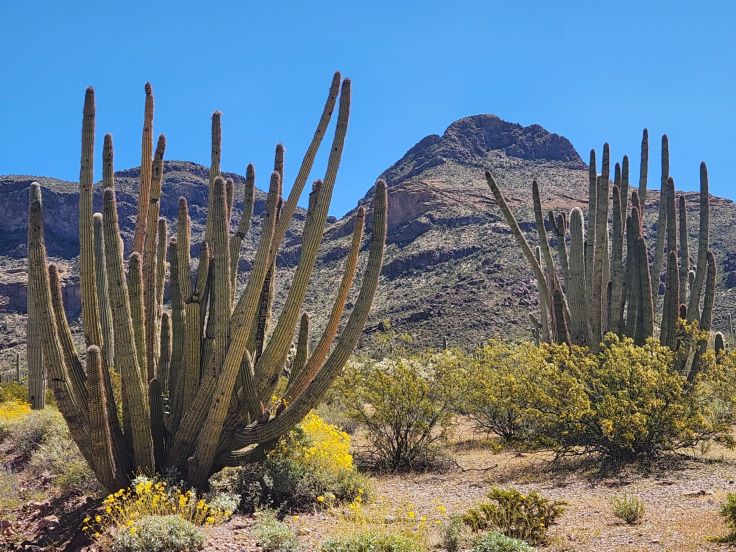
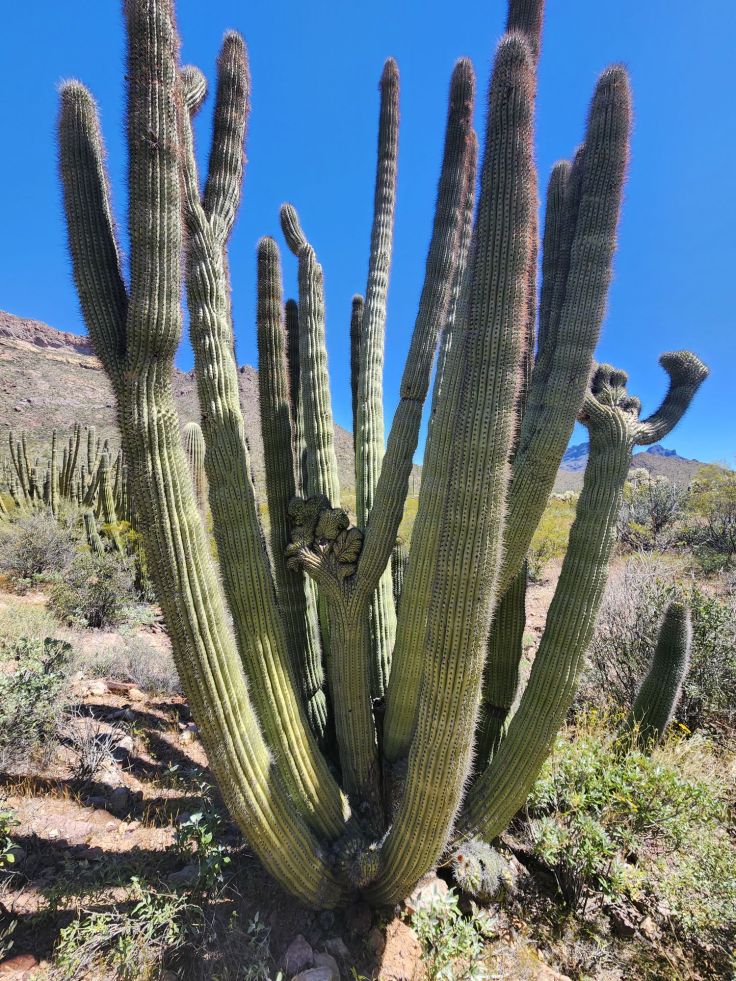

The best was yet to come when we entered the Organ Pipe Cactus National Park, in the Sonoran Desert, the only place with the Organ Pipe Cactus grows wild. The Sonora desert comprises southern Arizona, the SE corner of California, the state of Sonora, Mexico and the Baja peninsula of Mexico. These massive cactus first blooms around 35 years, can live to be 150 years old, and they get their name for their resemblance to a pipe organ. Here we had my three favorite cacti: the Organ Pipe and Saguaro and my favorite yucca…the Ocotillo and Scott’s favorite, the Cholla. Who knew deserts could be so beautiful and so interesting? Speaking of interesting…we saw many Christates, where the cells experience a rare mutation creating a fan, or broccoli, shape. This occurs not only in the Saguaro but the Organ Pipes (shown above) and the Chollas. We saw 91* as we spent four hours driving the 21 mile loop, every moment filled with wonder and awe.
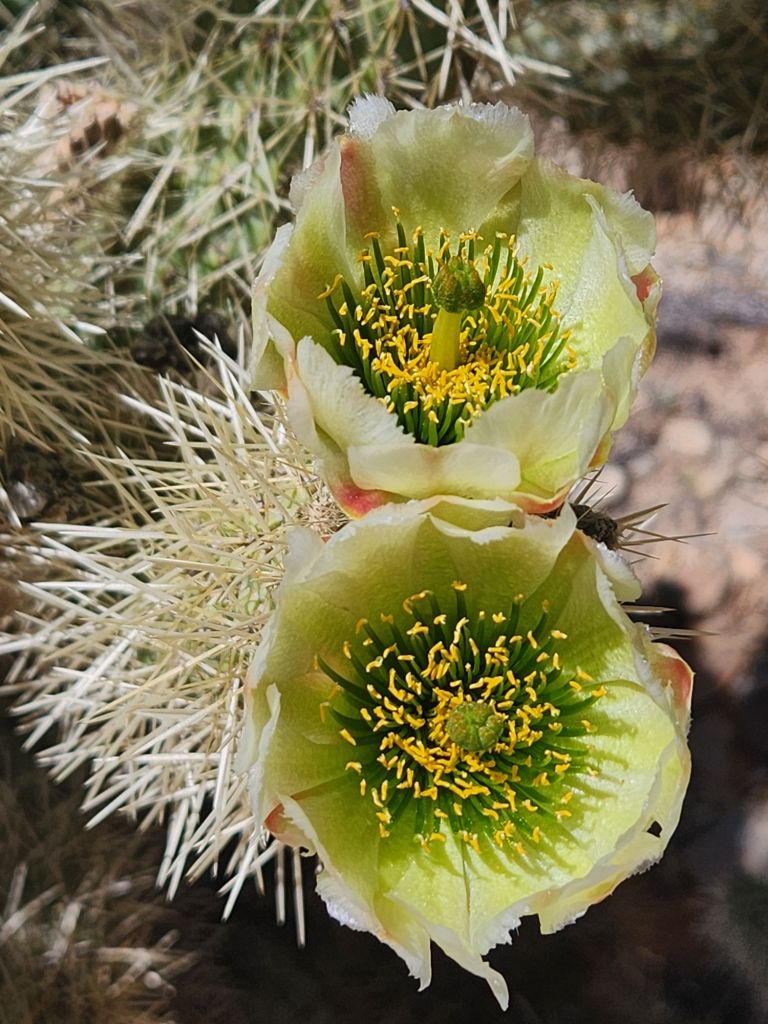
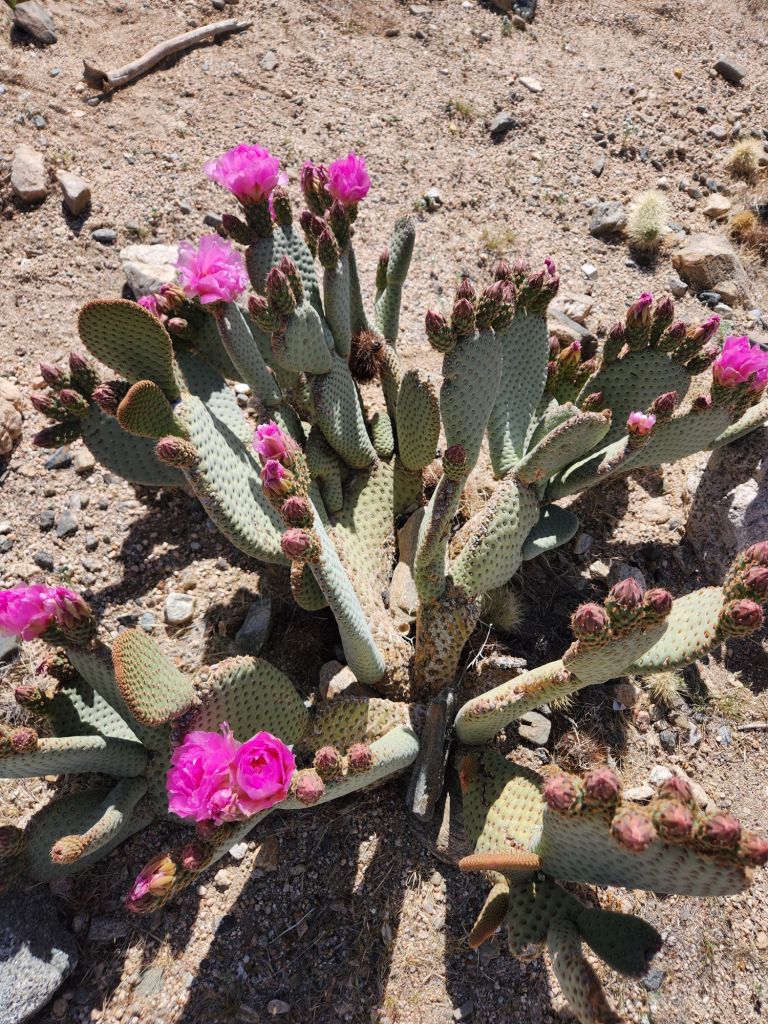

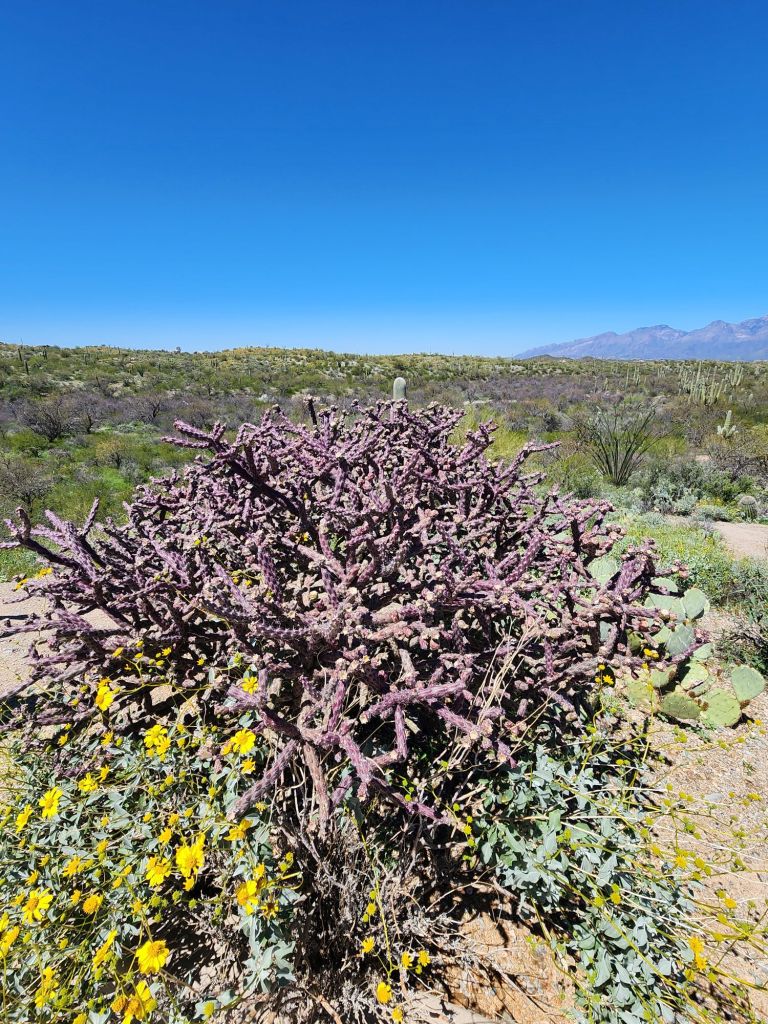

In 2022 only 133,317 people visited this park so it is extremely quiet. It is basically in the middle of nowhere bordering Mexico and the nearest grocery store is 40 min. away. Birds build nests in the Saguaro, sometimes a dozen or more nests can be found in one old Saguaro. Thus, the songs of the birds provided beautiful background music to our time in the park. Such a delight!
From watching movies such as The Little Prince with Bob Fosse I imagined deserts as being basically just barren sand but the colorful and abundantly varied cacti stole our hearts. We were sad to leave this magical scene.
 Scott and Melissa's "Unforgettable" Adventures
I love the desert 🌵 also. I spent some time in Tucson & loved every minute!
Thanks for sharing these moments!
LikeLiked by 1 person
It’s pretty amazing!
LikeLike
Now I want to visit the Grand Canyon and Sedona again! If you return to the Grand Canyon, hike down halfway. From there, you can see the bottom of the canyon (from the rim, you can only see halfway down to the river below).
LikeLike